
About This Book
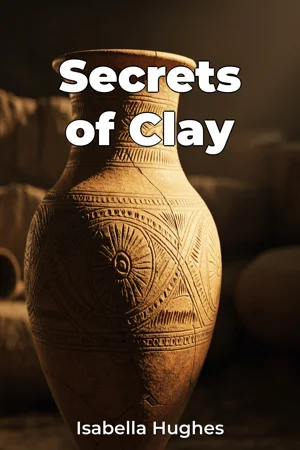
Can tracing the origins of artistic expression reveal hidden truths about human civilization? "Secrets of Clay" delves into the pivotal role of clay sculptures and ceramic techniques in shaping early artistic endeavors and technological advancements. This book explores how manipulating earth into enduring forms not only satisfied functional needs but also served as a fundamental medium for communication, ritual, and the very expression of human consciousness. This exploration hinges on three key topics: the emergence of clay as an artistic medium, the development of ceramic technologies, and the sociocultural implications of these innovations. Understanding these areas is crucial because they illuminate the deep connection between human creativity, technological progress, and the evolution of society. Clay, readily available and easily molded, provided early humans with a unique canvas to externalize their inner world. The refinement of ceramic techniques, from simple sun-baked forms to sophisticated kiln-fired pottery, represents a significant step in human ingenuity, enabling food storage, cooking, and various other essential functions. The resulting sociocultural impacts range from altered dietary habits to the development of trade networks, all profoundly shaping the course of human history. "Secrets of Clay" presents pottery and clay sculpture as a lens through which to view human development. The book argues that the mastery of clay represents a tangible manifestation of early human innovation and artistic impulse, predating and laying the groundwork for later developments in metalworking, architecture, and writing. This argument is essential because reframing our understanding of early technologies broadens our appreciation of indigenous artistic expression and the complex interplay between art, technology, and society. The book begins by tracing the earliest evidence of clay use, focusing on archaeological discoveries of figurines and rudimentary pottery. It then explores the development of key ceramic techniques, such as coiling, slab building, and wheel throwing across diverse cultures and time periods. Each chapter offers a detailed analysis of specific artifacts, their production methods, and their cultural context, highlighting the evolution from purely functional objects to vessels and sculptures imbued with symbolic meaning. The book culminates in a discussion of the lasting legacy of clay, examining its continued use in contemporary art and its influence on other artistic and technological domains. The arguments presented are supported by archaeological data, ethnographic studies, and material analysis. Unique data sets include detailed analyses of pottery shards from various archaeological sites, providing insights into clay composition, firing temperatures, and decorative techniques. The book also draws on historical accounts and artistic analyses to provide a comprehensive understanding of the role of clay in different cultures. From a multidisciplinary perspective, "Secrets of Clay" intersects with archaeology, anthropology, art history, and materials science. The archaeological record provides the physical evidence, while anthropological studies shed light on the cultural significance of clay objects. Art history offers frameworks for interpreting the aesthetic qualities of clay sculptures and ceramics, and materials science provides insights into the technological aspects of their production. The union of these fields greatly enriches the overall narrative. This book adopts a narrative non-fiction style, presenting complex information in a readable and engaging manner. It is aimed at a broad audience, including art enthusiasts, history buffs, archaeology students, and anyone interested in the intersection of creativity and technology. "Secrets of Clay" offers a readily available resource that synthesizes information from several fields, making it valuable to readers seeking an accessible yet rigorous study of early artistic and technological development. The book’s scope encompasses a global perspective, examining clay traditions from various regions, including the Near East, Asia, Africa, and the Americas. While some areas will be highlighted more than others due to data availability and cultural significance, the intention is to provide a broad overview of the diverse ways in which clay has been used throughout history. A limitation of the book lies in its focus on archaeological evidence, which may not always fully capture the nuanced meanings and practices associated with clay in certain cultures. Beyond its intellectual value, the book also offers practical insights for contemporary artists and craftspeople. The techniques and traditions explored can inspire new approaches to working with clay, fostering a deeper appreciation for the material's potential. Furthermore, the book's exploration of the social and cultural significance of clay can inform contemporary discussions about the role of art in society. While this book seeks to celebrate the ingenuity of early potters and sculptors, it also acknowledges ongoing debates within the field. These include discussions about the dating of early ceramics, the interpretation of symbolic meanings, and the impact of colonial encounters on indigenous clay traditions. By engaging with these debates, "Secrets of Clay" aims to provide a nuanced and thought-provoking account of the enduring legacy of clay.
Can tracing the origins of artistic expression reveal hidden truths about human civilization? "Secrets of Clay" delves into the pivotal role of clay sculptures and ceramic techniques in shaping early artistic endeavors and technological advancements. This book explores how manipulating earth into enduring forms not only satisfied functional needs but also served as a fundamental medium for communication, ritual, and the very expression of human consciousness. This exploration hinges on three key topics: the emergence of clay as an artistic medium, the development of ceramic technologies, and the sociocultural implications of these innovations. Understanding these areas is crucial because they illuminate the deep connection between human creativity, technological progress, and the evolution of society. Clay, readily available and easily molded, provided early humans with a unique canvas to externalize their inner world. The refinement of ceramic techniques, from simple sun-baked forms to sophisticated kiln-fired pottery, represents a significant step in human ingenuity, enabling food storage, cooking, and various other essential functions. The resulting sociocultural impacts range from altered dietary habits to the development of trade networks, all profoundly shaping the course of human history. "Secrets of Clay" presents pottery and clay sculpture as a lens through which to view human development. The book argues that the mastery of clay represents a tangible manifestation of early human innovation and artistic impulse, predating and laying the groundwork for later developments in metalworking, architecture, and writing. This argument is essential because reframing our understanding of early technologies broadens our appreciation of indigenous artistic expression and the complex interplay between art, technology, and society. The book begins by tracing the earliest evidence of clay use, focusing on archaeological discoveries of figurines and rudimentary pottery. It then explores the development of key ceramic techniques, such as coiling, slab building, and wheel throwing across diverse cultures and time periods. Each chapter offers a detailed analysis of specific artifacts, their production methods, and their cultural context, highlighting the evolution from purely functional objects to vessels and sculptures imbued with symbolic meaning. The book culminates in a discussion of the lasting legacy of clay, examining its continued use in contemporary art and its influence on other artistic and technological domains. The arguments presented are supported by archaeological data, ethnographic studies, and material analysis. Unique data sets include detailed analyses of pottery shards from various archaeological sites, providing insights into clay composition, firing temperatures, and decorative techniques. The book also draws on historical accounts and artistic analyses to provide a comprehensive understanding of the role of clay in different cultures. From a multidisciplinary perspective, "Secrets of Clay" intersects with archaeology, anthropology, art history, and materials science. The archaeological record provides the physical evidence, while anthropological studies shed light on the cultural significance of clay objects. Art history offers frameworks for interpreting the aesthetic qualities of clay sculptures and ceramics, and materials science provides insights into the technological aspects of their production. The union of these fields greatly enriches the overall narrative. This book adopts a narrative non-fiction style, presenting complex information in a readable and engaging manner. It is aimed at a broad audience, including art enthusiasts, history buffs, archaeology students, and anyone interested in the intersection of creativity and technology. "Secrets of Clay" offers a readily available resource that synthesizes information from several fields, making it valuable to readers seeking an accessible yet rigorous study of early artistic and technological development. The book’s scope encompasses a global perspective, examining clay traditions from various regions, including the Near East, Asia, Africa, and the Americas. While some areas will be highlighted more than others due to data availability and cultural significance, the intention is to provide a broad overview of the diverse ways in which clay has been used throughout history. A limitation of the book lies in its focus on archaeological evidence, which may not always fully capture the nuanced meanings and practices associated with clay in certain cultures. Beyond its intellectual value, the book also offers practical insights for contemporary artists and craftspeople. The techniques and traditions explored can inspire new approaches to working with clay, fostering a deeper appreciation for the material's potential. Furthermore, the book's exploration of the social and cultural significance of clay can inform contemporary discussions about the role of art in society. While this book seeks to celebrate the ingenuity of early potters and sculptors, it also acknowledges ongoing debates within the field. These include discussions about the dating of early ceramics, the interpretation of symbolic meanings, and the impact of colonial encounters on indigenous clay traditions. By engaging with these debates, "Secrets of Clay" aims to provide a nuanced and thought-provoking account of the enduring legacy of clay.
"Secrets of Clay" explores the profound role of clay and pottery in shaping early human societies. It reveals how the manipulation of this simple material drove not only technological advancements but also served as a fundamental medium for artistic expression and communication. Early humans, using readily available clay, crafted everything from functional pottery to intricate sculptures. The development of ceramic technologies, like kiln-firing, highlights early human ingenuity. The book progresses chronologically, starting with archaeological discoveries of early figurines and pottery, then examining the evolution of ceramic techniques across diverse cultures. Each chapter meticulously analyzes artifacts, their production methods, and their cultural significance, illustrating the shift from functional objects to those imbued with symbolic meaning. The book emphasizes the cultural significance of artifacts, revealing how pottery shards offer insights into early human diets and trade networks. Ultimately, "Secrets of Clay" argues that the mastery of clay represents a tangible manifestation of early human innovation, laying the foundation for later advancements in various fields. It presents a compelling narrative for anyone interested in the intersection of art, history, and archaeology, providing a comprehensive yet accessible exploration of clay's enduring legacy.
Book Details
ISBN
9788235219367
Publisher
Publifye AS
Your Licenses
You don't own any licenses for this book
Purchase a license below to unlock this book and download the EPUB.
Purchase License
Select a tier to unlock this book
Need bulk licensing?
Contact us for enterprise agreements.