
About This Book
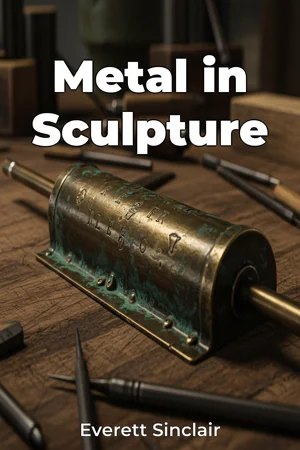
How have technological innovations shaped the artistic possibilities of metal sculpture across cultures and eras? "Metal in Sculpture" explores the multifaceted relationship between metal, design, and art, examining how different metals have been employed to create both monumental public works and intricate, intimate sculptures. This book delves into the transformative influence of materials and techniques on artistic expression, providing a comprehensive overview of metal sculpture from antiquity to the present day. The core topics include the properties of various metals and their suitability for sculptural applications, the evolution of metalworking techniques, and the diverse artistic styles that have emerged in response to these factors. Understanding these elements is critical because metal's inherent characteristics—strength, malleability, reflectivity—directly impact the sculptor's creative process and the visual impact of the finished work. The book provides historical context by tracing the use of metals in sculpture from ancient civilizations, such as the bronze casting traditions of Greece and China, to modern and contemporary practices. It examines the social and economic factors that influenced the availability and use of specific metals. While a basic familiarity with art history may be beneficial, the book provides sufficient background information to make the content accessible to a broad audience interested in art and design. The central argument is that metal sculpture is not merely a craft but a dynamic art form that continually reinvents itself through technological advancements and artistic innovation. This dynamic interplay allows metal to transcend its utilitarian origins and serve as a powerful medium for artistic expression. The book's structure progresses logically, beginning with an introduction to the fundamental properties of metals used in sculpture. It then explores the historical development of metalworking techniques like casting, forging, and welding. Subsequent chapters analyze specific periods and movements, such as Renaissance bronze sculpture, the use of iron in the Industrial Revolution, and contemporary explorations of aluminum and steel. The book culminates with a discussion of the ethical and environmental considerations surrounding metal sourcing and fabrication. To support its arguments, the book draws on a wide range of evidence, including detailed analyses of specific sculptures, historical documents, and technical reports on metalworking processes. It features case studies of prominent sculptors and their works, illustrating how they have pushed the boundaries of the medium. The book also connects to related fields such as materials science, engineering, and social history. Materials science informs the understanding of metal properties, while engineering principles explain structural considerations in large-scale sculptures. Social history provides context for the cultural and economic forces that shaped artistic production. What distinguishes this book is its balanced approach, combining technical explanations with artistic analysis. It does more than simply catalog famous sculptures; it dissects the how and why behind their creation, offering insights into the minds of the artists and the challenges they faced. The tone is authoritative yet accessible, avoiding jargon while maintaining scholarly rigor. The writing style aims to be engaging and informative, appealing to art enthusiasts, students of art history and sculpture, designers, and anyone interested in the intersection of art and technology. As a work in the genres of Design, Art, and Design General, the book integrates visual analysis, historical context, and technical information creating a cohesive and enlightening examination of metal in sculpture. The scope is broad, encompassing a wide range of metals, techniques, and styles, but it focuses primarily on Western art traditions while acknowledging significant contributions from other cultures. Readers can apply the knowledge gained to better understand the creative process behind metal sculpture, appreciate the technical skill involved, and evaluate the aesthetic qualities of different works. The book also raises awareness of the environmental and ethical considerations surrounding the use of metals in art, encouraging responsible practices in the field. The book acknowledges debates surrounding the definition of art and craft, and the role of technology in artistic creation. By presenting diverse perspectives, it encourages readers to form their own informed opinions on these complex issues.
How have technological innovations shaped the artistic possibilities of metal sculpture across cultures and eras? "Metal in Sculpture" explores the multifaceted relationship between metal, design, and art, examining how different metals have been employed to create both monumental public works and intricate, intimate sculptures. This book delves into the transformative influence of materials and techniques on artistic expression, providing a comprehensive overview of metal sculpture from antiquity to the present day. The core topics include the properties of various metals and their suitability for sculptural applications, the evolution of metalworking techniques, and the diverse artistic styles that have emerged in response to these factors. Understanding these elements is critical because metal's inherent characteristics—strength, malleability, reflectivity—directly impact the sculptor's creative process and the visual impact of the finished work. The book provides historical context by tracing the use of metals in sculpture from ancient civilizations, such as the bronze casting traditions of Greece and China, to modern and contemporary practices. It examines the social and economic factors that influenced the availability and use of specific metals. While a basic familiarity with art history may be beneficial, the book provides sufficient background information to make the content accessible to a broad audience interested in art and design. The central argument is that metal sculpture is not merely a craft but a dynamic art form that continually reinvents itself through technological advancements and artistic innovation. This dynamic interplay allows metal to transcend its utilitarian origins and serve as a powerful medium for artistic expression. The book's structure progresses logically, beginning with an introduction to the fundamental properties of metals used in sculpture. It then explores the historical development of metalworking techniques like casting, forging, and welding. Subsequent chapters analyze specific periods and movements, such as Renaissance bronze sculpture, the use of iron in the Industrial Revolution, and contemporary explorations of aluminum and steel. The book culminates with a discussion of the ethical and environmental considerations surrounding metal sourcing and fabrication. To support its arguments, the book draws on a wide range of evidence, including detailed analyses of specific sculptures, historical documents, and technical reports on metalworking processes. It features case studies of prominent sculptors and their works, illustrating how they have pushed the boundaries of the medium. The book also connects to related fields such as materials science, engineering, and social history. Materials science informs the understanding of metal properties, while engineering principles explain structural considerations in large-scale sculptures. Social history provides context for the cultural and economic forces that shaped artistic production. What distinguishes this book is its balanced approach, combining technical explanations with artistic analysis. It does more than simply catalog famous sculptures; it dissects the how and why behind their creation, offering insights into the minds of the artists and the challenges they faced. The tone is authoritative yet accessible, avoiding jargon while maintaining scholarly rigor. The writing style aims to be engaging and informative, appealing to art enthusiasts, students of art history and sculpture, designers, and anyone interested in the intersection of art and technology. As a work in the genres of Design, Art, and Design General, the book integrates visual analysis, historical context, and technical information creating a cohesive and enlightening examination of metal in sculpture. The scope is broad, encompassing a wide range of metals, techniques, and styles, but it focuses primarily on Western art traditions while acknowledging significant contributions from other cultures. Readers can apply the knowledge gained to better understand the creative process behind metal sculpture, appreciate the technical skill involved, and evaluate the aesthetic qualities of different works. The book also raises awareness of the environmental and ethical considerations surrounding the use of metals in art, encouraging responsible practices in the field. The book acknowledges debates surrounding the definition of art and craft, and the role of technology in artistic creation. By presenting diverse perspectives, it encourages readers to form their own informed opinions on these complex issues.
"Metal in Sculpture" offers a comprehensive look at the intersection of metalworking techniques, design, and art history, tracing the evolution of metal sculpture from ancient bronze casting to contemporary sculpture. It examines how technological innovations and materials science have shaped artistic expression. One intriguing aspect explored is how the inherent properties of metals, such as strength and malleability, directly influence a sculptor's creative process. The book also delves into the social and economic factors affecting the use of specific metals throughout different eras. The book uniquely combines technical explanations with artistic analysis, dissecting not just *what* sculptures exist but *how* and *why* they were created. It progresses logically, starting with the properties of metals, then moves through historical developments like forging and welding. Later chapters analyze specific periods and movements, culminating in discussions of ethical and environmental considerations in metal sourcing and fabrication. By connecting to fields like engineering and social history, the book provides a rich understanding of metal's role in artistic expression.
Book Details
ISBN
9788235219336
Publisher
Publifye AS
Your Licenses
You don't own any licenses for this book
Purchase a license below to unlock this book and download the EPUB.
Purchase License
Select a tier to unlock this book
Need bulk licensing?
Contact us for enterprise agreements.