
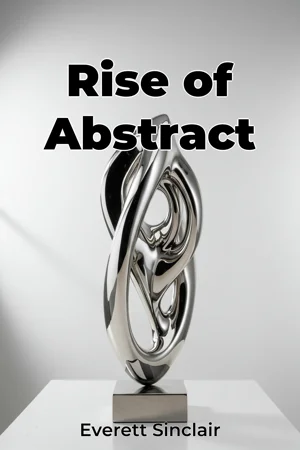
About This Book
How did a radical departure from representation transform the landscape of art and design? "Rise of Abstract" explores the genesis and evolution of abstract sculpture, a movement that not only challenged traditional artistic norms but also opened up entirely new avenues for creative expression and problem-solving in design. This book delves into the key concepts underpinning abstract sculpture, its historical context, and its enduring influence on various design disciplines. At its core, this book examines three pivotal themes. First, it dissects the philosophical underpinnings that fueled the rise of abstraction, investigating the shift away from mimetic representation towards exploring form, material, and spatial relationships as primary artistic concerns. Second, it analyzes the socio-cultural factors that contributed to the acceptance and proliferation of abstract sculpture, including the impact of technological advancements, evolving aesthetic sensibilities, and the changing role of the artist in society. Third, it assesses the lasting legacy of abstract sculpture on modern design, demonstrating how its principles have been adopted and adapted in fields ranging from architecture and product design to graphic design and user interface design. These topics are crucial because they reveal how abstract sculpture not only redefined art but also provided a foundational vocabulary for contemporary design thinking. The historical context of this movement is essential to understanding its impact. Emerging in the early 20th century amidst rapid industrialization and social upheaval, abstract sculpture reflected a desire to break free from established conventions and explore new modes of expression. The book traces this trajectory from early pioneers like Constantin Brâncuși and Pablo Picasso, who initially experimented with simplified forms and non-representational elements, to later figures who fully embraced abstraction as a complete artistic philosophy. The central argument of "Rise of Abstract" posits that abstract sculpture, beyond its aesthetic value, served as a catalyst for innovation in design by fostering a mindset that prioritizes experimentation, problem-solving through form, and the exploration of unconventional materials. This argument is significant because it bridges the perceived gap between fine art and applied design, demonstrating how seemingly esoteric artistic practices can have profound and practical implications. The book is structured in four parts. Part one introduces the core tenets of abstract sculpture, defining key terms and concepts while providing a historical overview of the movement’s origins. Part two examines the major artistic movements that contributed to the development of abstract sculpture, such as Cubism, Futurism, and Constructivism, analyzing the specific techniques and philosophies employed by artists within these movements. Part three explores the influence of abstract sculpture on various design disciplines, presenting case studies that illustrate how its principles have been applied in real-world contexts. Part four culminates in a discussion of the contemporary relevance of abstract sculpture, examining its ongoing influence on art and design education and its potential to inspire future innovation. To support its arguments, "Rise of Abstract" draws upon a wide range of sources, including historical documents, artist manifestos, critical essays, and contemporary design research. The book also features detailed analyses of specific artworks and design projects, providing visual examples of the concepts being discussed. Furthermore, it incorporates interviews with contemporary artists and designers who have been influenced by abstract sculpture, offering firsthand perspectives on its enduring impact. The book connects to several other fields of study, including art history, design theory, cultural studies, and material science. Its exploration of the philosophical underpinnings of abstraction intersects with broader discussions of aesthetics and epistemology. Its analysis of the socio-cultural context of the movement aligns with themes in cultural studies and social history. Finally, its examination of materials and fabrication techniques relates to research in material science and engineering. "Rise of Abstract" offers a unique perspective by focusing specifically on the influence of abstract sculpture on design, a connection that is often overlooked in traditional art historical scholarship. It adopts a balanced tone, presenting complex ideas in a clear and accessible manner while maintaining scholarly rigor. The target audience for this book includes students and practitioners of art and design, as well as anyone interested in the history of modern art and its relationship to contemporary culture. It will appeal to readers who are seeking a deeper understanding of the principles underlying abstract art and design, as well as those who are looking for inspiration for their own creative work. As a work of non-fiction in the fields of Art and Design, this book aims to inform, educate, and inspire, adhering to the genre's conventions of accuracy, objectivity, and clear communication. The scope of the book is limited to the historical development and design applications of abstract sculpture, focusing primarily on Western art and design traditions. While acknowledging the global influence of abstraction, the book does not attempt to provide a comprehensive survey of abstract art in all cultural contexts. The information presented in "Rise of Abstract" can be applied in numerous practical ways. Artists and designers can use it to gain a deeper understanding of the underlying principles of abstraction, which can inform their own creative processes. Educators can use it as a resource for teaching art and design history, as well as for inspiring students to experiment with abstract forms and materials. Anyone interested in the visual arts can use it to develop a more informed appreciation of abstract sculpture and its enduring legacy. The book also addresses ongoing discussions surrounding the interpretation and evaluation of abstract art, acknowledging the subjective nature of aesthetic judgments and the importance of considering the historical and cultural context in which artworks are created and received.
How did a radical departure from representation transform the landscape of art and design? "Rise of Abstract" explores the genesis and evolution of abstract sculpture, a movement that not only challenged traditional artistic norms but also opened up entirely new avenues for creative expression and problem-solving in design. This book delves into the key concepts underpinning abstract sculpture, its historical context, and its enduring influence on various design disciplines. At its core, this book examines three pivotal themes. First, it dissects the philosophical underpinnings that fueled the rise of abstraction, investigating the shift away from mimetic representation towards exploring form, material, and spatial relationships as primary artistic concerns. Second, it analyzes the socio-cultural factors that contributed to the acceptance and proliferation of abstract sculpture, including the impact of technological advancements, evolving aesthetic sensibilities, and the changing role of the artist in society. Third, it assesses the lasting legacy of abstract sculpture on modern design, demonstrating how its principles have been adopted and adapted in fields ranging from architecture and product design to graphic design and user interface design. These topics are crucial because they reveal how abstract sculpture not only redefined art but also provided a foundational vocabulary for contemporary design thinking. The historical context of this movement is essential to understanding its impact. Emerging in the early 20th century amidst rapid industrialization and social upheaval, abstract sculpture reflected a desire to break free from established conventions and explore new modes of expression. The book traces this trajectory from early pioneers like Constantin Brâncuși and Pablo Picasso, who initially experimented with simplified forms and non-representational elements, to later figures who fully embraced abstraction as a complete artistic philosophy. The central argument of "Rise of Abstract" posits that abstract sculpture, beyond its aesthetic value, served as a catalyst for innovation in design by fostering a mindset that prioritizes experimentation, problem-solving through form, and the exploration of unconventional materials. This argument is significant because it bridges the perceived gap between fine art and applied design, demonstrating how seemingly esoteric artistic practices can have profound and practical implications. The book is structured in four parts. Part one introduces the core tenets of abstract sculpture, defining key terms and concepts while providing a historical overview of the movement’s origins. Part two examines the major artistic movements that contributed to the development of abstract sculpture, such as Cubism, Futurism, and Constructivism, analyzing the specific techniques and philosophies employed by artists within these movements. Part three explores the influence of abstract sculpture on various design disciplines, presenting case studies that illustrate how its principles have been applied in real-world contexts. Part four culminates in a discussion of the contemporary relevance of abstract sculpture, examining its ongoing influence on art and design education and its potential to inspire future innovation. To support its arguments, "Rise of Abstract" draws upon a wide range of sources, including historical documents, artist manifestos, critical essays, and contemporary design research. The book also features detailed analyses of specific artworks and design projects, providing visual examples of the concepts being discussed. Furthermore, it incorporates interviews with contemporary artists and designers who have been influenced by abstract sculpture, offering firsthand perspectives on its enduring impact. The book connects to several other fields of study, including art history, design theory, cultural studies, and material science. Its exploration of the philosophical underpinnings of abstraction intersects with broader discussions of aesthetics and epistemology. Its analysis of the socio-cultural context of the movement aligns with themes in cultural studies and social history. Finally, its examination of materials and fabrication techniques relates to research in material science and engineering. "Rise of Abstract" offers a unique perspective by focusing specifically on the influence of abstract sculpture on design, a connection that is often overlooked in traditional art historical scholarship. It adopts a balanced tone, presenting complex ideas in a clear and accessible manner while maintaining scholarly rigor. The target audience for this book includes students and practitioners of art and design, as well as anyone interested in the history of modern art and its relationship to contemporary culture. It will appeal to readers who are seeking a deeper understanding of the principles underlying abstract art and design, as well as those who are looking for inspiration for their own creative work. As a work of non-fiction in the fields of Art and Design, this book aims to inform, educate, and inspire, adhering to the genre's conventions of accuracy, objectivity, and clear communication. The scope of the book is limited to the historical development and design applications of abstract sculpture, focusing primarily on Western art and design traditions. While acknowledging the global influence of abstraction, the book does not attempt to provide a comprehensive survey of abstract art in all cultural contexts. The information presented in "Rise of Abstract" can be applied in numerous practical ways. Artists and designers can use it to gain a deeper understanding of the underlying principles of abstraction, which can inform their own creative processes. Educators can use it as a resource for teaching art and design history, as well as for inspiring students to experiment with abstract forms and materials. Anyone interested in the visual arts can use it to develop a more informed appreciation of abstract sculpture and its enduring legacy. The book also addresses ongoing discussions surrounding the interpretation and evaluation of abstract art, acknowledging the subjective nature of aesthetic judgments and the importance of considering the historical and cultural context in which artworks are created and received.
"Rise of Abstract" explores how abstract sculpture revolutionized art and design by shifting focus from representation to form, material, and space. It examines the philosophical and socio-cultural forces behind this shift, highlighting how early 20th-century artists broke from tradition to explore new modes of expression. The book reveals abstract sculpture's lasting influence, demonstrating its principles in architecture, product design, and user interface design. The book argues that abstract sculpture fostered innovation in design by prioritizing experimentation and problem-solving through form, bridging the gap between fine art and practical applications. One intriguing fact is how the rise of abstraction coincided with rapid industrialization, reflecting a desire to break free from established conventions. The book progresses from defining abstract sculpture's core tenets and examining contributing artistic movements like Cubism and Futurism, to exploring its influence on various design disciplines and discussing its contemporary relevance. This book uniquely focuses on abstract sculpture's impact on design, often overlooked in art history. Through historical documents, artist manifestos, and contemporary design research, it provides a comprehensive look at how abstract art reshaped the design world. By adopting a balanced tone, "Rise of Abstract" makes complex ideas accessible to students, practitioners, and anyone interested in the history of modern art and its relationship to contemporary culture.
Book Details
ISBN
9788235219329
Publisher
Publifye AS
Your Licenses
You don't own any licenses for this book
Purchase a license below to unlock this book and download the EPUB.
Purchase License
Select a tier to unlock this book
Need bulk licensing?
Contact us for enterprise agreements.