
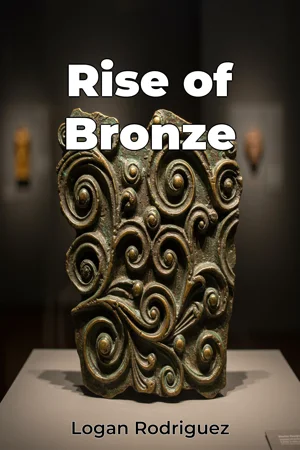
About This Book
Why did the ancient world abandon stone for shimmering metal? "Rise of Bronze" explores the pivotal transition to bronze as the premier material for sculpture, examining not only the technical advancements that made it possible but also the profound cultural and artistic shifts it engendered. This book delves into the heart of bronze's dominance, investigating its unique properties, widespread adoption, and lasting impact on art history. This study is significant because bronze represented a technological leap, enabling artists to create more intricate and durable works than ever before. It also reflects changes in resource management, trade networks, and the social value placed on artistry and innovation. Readers will gain insight into how a single material reshaped artistic expression and influenced the development of civilization. The book begins by establishing the historical context, examining the preceding use of stone and the societal conditions that fostered the emergence of bronze metallurgy. It requires no specialized knowledge, as fundamental concepts of materials science and ancient history are clearly explained. The central argument is that the rise of bronze in sculpture was not merely a technological advancement but a catalyst for artistic evolution, reflecting and shaping the cultural values of the societies that embraced it. The narrative unfolds in several stages. First, it introduces the basic properties of bronze—its strength, malleability, and casting capabilities—and contrasts them with those of stone. Second, it examines the development of bronze casting techniques, such as lost-wax casting, and how these innovations allowed for greater detail and complexity in sculptures. Third, the book explores the cultural and economic factors that drove the adoption of bronze, including the availability of raw materials, the development of trade routes, and the patronage of wealthy elites. Finally, it analyzes specific examples of bronze sculptures from various cultures, showcasing the diversity and sophistication of bronze artistry. The book relies on a variety of evidence, including archaeological findings, analyses of bronze artifacts, and historical texts describing bronze production and use. It also draws upon contemporary scholarship in art history, archaeology, and materials science to provide a comprehensive and nuanced understanding of the subject. "Rise of Bronze" connects to several other fields, including archaeology, anthropology, and materials science. Archaeology provides the physical evidence of bronze artifacts and their contexts, while anthropology offers insights into the social and cultural significance of bronze in different societies. Materials science helps us understand the properties of bronze and the technological challenges of working with it. These interdisciplinary connections enrich the book's argument by demonstrating the multifaceted nature of bronze's impact. What sets this book apart is its focus on the interplay between technology, art, and society. Rather than simply describing the history of bronze sculpture, it explores how the material itself shaped artistic expression and reflected the values of the cultures that created it. The writing style is accessible yet scholarly, aiming to engage a broad audience while maintaining academic rigor. The book is aimed at art enthusiasts, history buffs, students, and anyone interested in learning about the intersection of technology and art in the ancient world. It is valuable for understanding the evolution of artistic techniques and the role of materials in shaping cultural expression. As a work of history and art, "Rise of Bronze" adheres to the conventions of historical scholarship, including rigorous sourcing, careful analysis of evidence, and clear presentation of arguments. The scope of the book is limited to the use of bronze in sculpture, focusing primarily on the ancient world but also briefly touching on later developments to demonstrate bronze’s enduring appeal. The information presented in the book can be applied practically in several ways. Art students can gain a deeper understanding of sculptural techniques and materials, while historians can use the book to explore the cultural and economic factors that influenced the development of bronze metallurgy. Museum curators can also benefit from the book's insights into the identification, conservation, and interpretation of bronze artifacts. While bronze is widely celebrated, some ongoing debates surround the precise origins of bronze metallurgy and the extent to which different cultures independently developed bronze casting techniques. This book addresses these controversies by presenting the latest research and offering a balanced perspective on the available evidence.
Why did the ancient world abandon stone for shimmering metal? "Rise of Bronze" explores the pivotal transition to bronze as the premier material for sculpture, examining not only the technical advancements that made it possible but also the profound cultural and artistic shifts it engendered. This book delves into the heart of bronze's dominance, investigating its unique properties, widespread adoption, and lasting impact on art history. This study is significant because bronze represented a technological leap, enabling artists to create more intricate and durable works than ever before. It also reflects changes in resource management, trade networks, and the social value placed on artistry and innovation. Readers will gain insight into how a single material reshaped artistic expression and influenced the development of civilization. The book begins by establishing the historical context, examining the preceding use of stone and the societal conditions that fostered the emergence of bronze metallurgy. It requires no specialized knowledge, as fundamental concepts of materials science and ancient history are clearly explained. The central argument is that the rise of bronze in sculpture was not merely a technological advancement but a catalyst for artistic evolution, reflecting and shaping the cultural values of the societies that embraced it. The narrative unfolds in several stages. First, it introduces the basic properties of bronze—its strength, malleability, and casting capabilities—and contrasts them with those of stone. Second, it examines the development of bronze casting techniques, such as lost-wax casting, and how these innovations allowed for greater detail and complexity in sculptures. Third, the book explores the cultural and economic factors that drove the adoption of bronze, including the availability of raw materials, the development of trade routes, and the patronage of wealthy elites. Finally, it analyzes specific examples of bronze sculptures from various cultures, showcasing the diversity and sophistication of bronze artistry. The book relies on a variety of evidence, including archaeological findings, analyses of bronze artifacts, and historical texts describing bronze production and use. It also draws upon contemporary scholarship in art history, archaeology, and materials science to provide a comprehensive and nuanced understanding of the subject. "Rise of Bronze" connects to several other fields, including archaeology, anthropology, and materials science. Archaeology provides the physical evidence of bronze artifacts and their contexts, while anthropology offers insights into the social and cultural significance of bronze in different societies. Materials science helps us understand the properties of bronze and the technological challenges of working with it. These interdisciplinary connections enrich the book's argument by demonstrating the multifaceted nature of bronze's impact. What sets this book apart is its focus on the interplay between technology, art, and society. Rather than simply describing the history of bronze sculpture, it explores how the material itself shaped artistic expression and reflected the values of the cultures that created it. The writing style is accessible yet scholarly, aiming to engage a broad audience while maintaining academic rigor. The book is aimed at art enthusiasts, history buffs, students, and anyone interested in learning about the intersection of technology and art in the ancient world. It is valuable for understanding the evolution of artistic techniques and the role of materials in shaping cultural expression. As a work of history and art, "Rise of Bronze" adheres to the conventions of historical scholarship, including rigorous sourcing, careful analysis of evidence, and clear presentation of arguments. The scope of the book is limited to the use of bronze in sculpture, focusing primarily on the ancient world but also briefly touching on later developments to demonstrate bronze’s enduring appeal. The information presented in the book can be applied practically in several ways. Art students can gain a deeper understanding of sculptural techniques and materials, while historians can use the book to explore the cultural and economic factors that influenced the development of bronze metallurgy. Museum curators can also benefit from the book's insights into the identification, conservation, and interpretation of bronze artifacts. While bronze is widely celebrated, some ongoing debates surround the precise origins of bronze metallurgy and the extent to which different cultures independently developed bronze casting techniques. This book addresses these controversies by presenting the latest research and offering a balanced perspective on the available evidence.
"Rise of Bronze" explores the transformative period when bronze replaced stone as the primary material for sculpture in the ancient world. It examines how this shift wasn't just a technological upgrade, but a catalyst for artistic and cultural change. The book highlights the unique properties of bronze, such as its strength and malleability, which allowed for more intricate and durable artworks compared to their stone predecessors. It also delves into the development of lost-wax casting, a technique that enabled artists to create highly detailed and complex sculptures. The narrative progresses by first laying out the historical context and then exploring the evolution of bronze casting techniques. It examines the economic and cultural factors influencing bronze's adoption, including trade routes and patronage. The book uses archaeological findings and historical texts to support its arguments, offering a comprehensive understanding of bronze's impact. This study is significant because bronze represented a technological leap, enabling artists to create more intricate and durable works than ever before. What sets this book apart is its focus on the interplay between metallurgy, art, and society, showing how bronze shaped artistic expression and reflected cultural values. It explains complex concepts in an accessible way, making it valuable for anyone interested in art history and ancient history.
Book Details
ISBN
9788235219244
Publisher
Publifye AS
Your Licenses
You don't own any licenses for this book
Purchase a license below to unlock this book and download the EPUB.
Purchase License
Select a tier to unlock this book
Need bulk licensing?
Contact us for enterprise agreements.