
About This Book
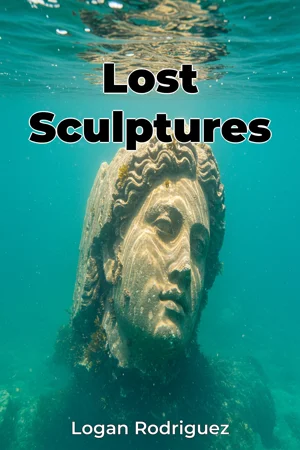
What whispers remain when masterpieces vanish? "Lost Sculptures" embarks on a journey to uncover the stories behind iconic sculptures that have been lost to time, willful destruction, or remain tantalizingly missing, exploring the historical, artistic, and cultural void they leave behind. This book delves into three key areas: the circumstances surrounding the disappearances, the impact these losses have had on our understanding of art history, and the ongoing efforts to recover or reconstruct these lost treasures. These topics are significant because the disappearance of artwork not only deprives us of aesthetic beauty but obscures historical narratives and cultural identities, creating gaps in our collective understanding of the past. To fully appreciate the loss, the book provides a foundation in art history, covering major sculptural movements, materials, and techniques from antiquity to the modern era. Readers will gain insight into the social and political contexts in which these works were created and subsequently lost. It will explore the motivations behind destruction, theft, and neglect, ranging from iconoclasm to wartime looting and simple acts of vandalism. The central argument of "Lost Sculptures" is that the absence of these sculptures is as significant as their existence once was. Their disappearances alter the trajectory of art history, forcing us to re-evaluate established narratives and consider the fragility of cultural heritage. Understanding these losses compels a deeper appreciation for preservation and the ongoing fight against factors that threaten artistic survival. The book is structured to guide the reader through a comprehensive exploration of the topic. It begins by introducing key concepts of artistic value, cultural significance, and the various ways sculptures can be "lost." Then, it proceeds with focused chapters examining specific examples, such as the Colossus of Rhodes, lost ancient bronzes or the destroyed Buddhas of Bamiyan, analyzing each case through historical accounts, archaeological evidence, and art historical analysis. Finally, the book culminates in an exploration of modern challenges, including art theft, the illicit antiquities trade, and the deliberate destruction of cultural heritage in conflict zones, concluding with an overview of preventative measures and strategies for recovering lost art. The arguments in "Lost Sculptures" are supported by a variety of evidence, including historical texts, archaeological reports, museum records, and forensic analysis. The book also draws on interviews with art historians, archaeologists, and law enforcement officials involved in art recovery efforts. Unique data sources, such as archival photographs, inventories, and eyewitness accounts, where available. "Lost Sculptures" connects to several other fields, including archaeology, history, and criminology. By examining the historical context of the losses, the book provides insights into past societies and their values. By investigating the criminal aspects of art theft and destruction, it sheds light on the motivations and methods of those who seek to profit from or erase cultural heritage. This book offers a unique perspective by focusing not just on the artistic merit of the lost sculptures but on the broader implications of their disappearance. It examines the psychological impact of these losses on communities and the symbolic power of art as a target for political or ideological agendas. The tone of the book is informative and engaging, striking a balance between scholarly rigor and accessibility for a general audience. The writing style is clear and evocative, bringing the lost sculptures and the circumstances surrounding their disappearance to life. The target audience for "Lost Sculptures" includes art enthusiasts, history buffs, students, and anyone interested in the preservation of cultural heritage. The book will be valuable to readers who seek a deeper understanding of art history and the forces that shape our cultural landscape. Adhering to the conventions of the history and art genres, the book provides thorough research, clear citations, and engaging narratives that illuminate complex historical events and artistic achievements. The scope of "Lost Sculptures" is broad, encompassing a wide range of historical periods and geographical locations, though it will be limited to sculptures of demonstrable historical or artistic importance where credible information about the lost objects exists. The focus will remain on understanding the factors that contribute to the loss and its consequences. The information in "Lost Sculptures" has practical applications for those involved in art preservation, cultural heritage management, and law enforcement. It provides insights into the risks facing cultural property and strategies for mitigating those risks. The book addresses controversies surrounding the ownership and repatriation of cultural property, acknowledging the ethical dilemmas and political complexities involved in these debates. It examines the arguments for and against the return of looted or stolen art, presenting different perspectives on these contentious issues.
What whispers remain when masterpieces vanish? "Lost Sculptures" embarks on a journey to uncover the stories behind iconic sculptures that have been lost to time, willful destruction, or remain tantalizingly missing, exploring the historical, artistic, and cultural void they leave behind. This book delves into three key areas: the circumstances surrounding the disappearances, the impact these losses have had on our understanding of art history, and the ongoing efforts to recover or reconstruct these lost treasures. These topics are significant because the disappearance of artwork not only deprives us of aesthetic beauty but obscures historical narratives and cultural identities, creating gaps in our collective understanding of the past. To fully appreciate the loss, the book provides a foundation in art history, covering major sculptural movements, materials, and techniques from antiquity to the modern era. Readers will gain insight into the social and political contexts in which these works were created and subsequently lost. It will explore the motivations behind destruction, theft, and neglect, ranging from iconoclasm to wartime looting and simple acts of vandalism. The central argument of "Lost Sculptures" is that the absence of these sculptures is as significant as their existence once was. Their disappearances alter the trajectory of art history, forcing us to re-evaluate established narratives and consider the fragility of cultural heritage. Understanding these losses compels a deeper appreciation for preservation and the ongoing fight against factors that threaten artistic survival. The book is structured to guide the reader through a comprehensive exploration of the topic. It begins by introducing key concepts of artistic value, cultural significance, and the various ways sculptures can be "lost." Then, it proceeds with focused chapters examining specific examples, such as the Colossus of Rhodes, lost ancient bronzes or the destroyed Buddhas of Bamiyan, analyzing each case through historical accounts, archaeological evidence, and art historical analysis. Finally, the book culminates in an exploration of modern challenges, including art theft, the illicit antiquities trade, and the deliberate destruction of cultural heritage in conflict zones, concluding with an overview of preventative measures and strategies for recovering lost art. The arguments in "Lost Sculptures" are supported by a variety of evidence, including historical texts, archaeological reports, museum records, and forensic analysis. The book also draws on interviews with art historians, archaeologists, and law enforcement officials involved in art recovery efforts. Unique data sources, such as archival photographs, inventories, and eyewitness accounts, where available. "Lost Sculptures" connects to several other fields, including archaeology, history, and criminology. By examining the historical context of the losses, the book provides insights into past societies and their values. By investigating the criminal aspects of art theft and destruction, it sheds light on the motivations and methods of those who seek to profit from or erase cultural heritage. This book offers a unique perspective by focusing not just on the artistic merit of the lost sculptures but on the broader implications of their disappearance. It examines the psychological impact of these losses on communities and the symbolic power of art as a target for political or ideological agendas. The tone of the book is informative and engaging, striking a balance between scholarly rigor and accessibility for a general audience. The writing style is clear and evocative, bringing the lost sculptures and the circumstances surrounding their disappearance to life. The target audience for "Lost Sculptures" includes art enthusiasts, history buffs, students, and anyone interested in the preservation of cultural heritage. The book will be valuable to readers who seek a deeper understanding of art history and the forces that shape our cultural landscape. Adhering to the conventions of the history and art genres, the book provides thorough research, clear citations, and engaging narratives that illuminate complex historical events and artistic achievements. The scope of "Lost Sculptures" is broad, encompassing a wide range of historical periods and geographical locations, though it will be limited to sculptures of demonstrable historical or artistic importance where credible information about the lost objects exists. The focus will remain on understanding the factors that contribute to the loss and its consequences. The information in "Lost Sculptures" has practical applications for those involved in art preservation, cultural heritage management, and law enforcement. It provides insights into the risks facing cultural property and strategies for mitigating those risks. The book addresses controversies surrounding the ownership and repatriation of cultural property, acknowledging the ethical dilemmas and political complexities involved in these debates. It examines the arguments for and against the return of looted or stolen art, presenting different perspectives on these contentious issues.
"Lost Sculptures" explores the compelling stories behind significant sculptures vanished through time, destruction, or theft. It delves into art history, examining the social and political contexts surrounding these losses, from iconoclasm to wartime looting. The book emphasizes how the disappearance of these artworks affects our understanding of history and cultural identity, creating voids in our collective memory. For instance, the book discusses the destruction of the Buddhas of Bamiyan, highlighting the deliberate targeting of cultural heritage. The book uniquely focuses not only on the sculptures' artistic value but also on the broader implications of their disappearance, such as the psychological impact on communities. Structured to guide readers through a comprehensive exploration, it begins by introducing key concepts before examining specific examples and culminates in modern challenges like art theft and the illicit antiquities trade. It unveils how the absence of these sculptures alters art history's trajectory, forcing re-evaluation of established narratives and compelling a deeper appreciation for preservation.
Book Details
ISBN
9788235219237
Publisher
Publifye AS
Your Licenses
You don't own any licenses for this book
Purchase a license below to unlock this book and download the EPUB.
Purchase License
Select a tier to unlock this book
Need bulk licensing?
Contact us for enterprise agreements.