
About This Book
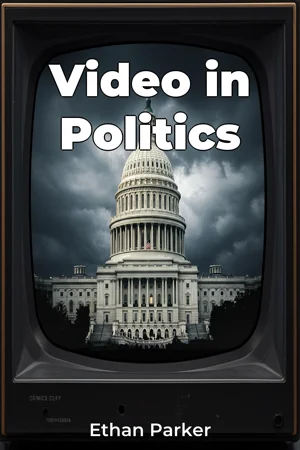
How has the moving image reshaped the political landscape, and what are the implications for democracy? "Video in Politics" examines the strategic use of video by political campaigns to influence voters and mold public opinion, offering a comprehensive analysis of its persuasive power and societal impact. This book tackles three key areas: the historical evolution of video's role in politics, the psychological and emotional impact of visual messaging, and the ethical considerations surrounding its deployment in campaigns. Understanding these components is crucial for navigating the increasingly complex media environment and recognizing the techniques used to sway voters. The book provides a historical context, tracing the development of political advertising from its early days in radio to the sophisticated video strategies employed today, demonstrating how technological advancements have amplified the reach and impact of political messaging. It also explores the psychological underpinnings of video persuasion, explaining how visual cues, narrative structures, and emotional appeals can shape attitudes and behaviors. Furthermore, it delves into the ethical dilemmas that arise when campaigns use manipulated footage, spread misinformation, or exploit emotional vulnerabilities. The central argument posits that while video offers powerful tools for political communication, its potential for misuse necessitates a critical understanding of its techniques and effects. The book asserts that media literacy and a heightened awareness of persuasive strategies are essential for preserving informed democratic participation. "Video in Politics" is structured to provide a clear and comprehensive understanding of the subject. First, it introduces the fundamental concepts of visual communication and political persuasion. Second, it traces the historical development of video's role in campaigns. Third, the book analyzes the psychological and emotional impact of video messaging, examining how visuals can influence voter attitudes and behaviors. Finally, it considers the ethical implications of video in politics, exploring issues such as misinformation, manipulation, and privacy. The analysis is supported by a variety of evidence, including case studies of notable political campaigns, analyses of video advertisements and speeches, and scholarly research on media effects and political psychology. The book also draws on original data, including analyses of online video campaigns and social media engagement. This book connects to other fields such as communication studies, political science, and psychology. It enhances the understanding of political communication, electoral behavior, and the intersection of media and democracy. What distinguishes this book is its focus on the ethical dimensions of video politics. By exploring the potential for manipulation and misinformation, it offers a unique perspective on the challenges facing democratic societies in the digital age. The tone is academic but accessible, aiming to engage readers without compromising scholarly rigor. It is targeted toward students, researchers, journalists, and anyone interested in understanding the power of video in shaping political discourse. Its value lies in providing readers with the tools they need to critically assess political messaging and engage in informed democratic participation. As a work within the genres of film and television and politics, the book adheres to the conventions of scholarly research while also incorporating elements of media analysis. It avoids speculation, basing its conclusions on empirical evidence and established theoretical frameworks. The book's scope encompasses a broad range of political contexts, including presidential elections, congressional races, and local campaigns. However, it primarily focuses on the United States, with occasional references to other countries and political systems. The information presented has real-world applications. It can inform the work of campaign strategists, media professionals, and policymakers. It can also empower citizens to become more critical consumers of political information. The book addresses ongoing debates about the role of media in shaping political outcomes. It engages with controversies surrounding media bias, fake news, and the impact of social media on elections. The goal is to move beyond simplistic narratives and foster a deeper understanding of the complex relationship between video and politics.
How has the moving image reshaped the political landscape, and what are the implications for democracy? "Video in Politics" examines the strategic use of video by political campaigns to influence voters and mold public opinion, offering a comprehensive analysis of its persuasive power and societal impact. This book tackles three key areas: the historical evolution of video's role in politics, the psychological and emotional impact of visual messaging, and the ethical considerations surrounding its deployment in campaigns. Understanding these components is crucial for navigating the increasingly complex media environment and recognizing the techniques used to sway voters. The book provides a historical context, tracing the development of political advertising from its early days in radio to the sophisticated video strategies employed today, demonstrating how technological advancements have amplified the reach and impact of political messaging. It also explores the psychological underpinnings of video persuasion, explaining how visual cues, narrative structures, and emotional appeals can shape attitudes and behaviors. Furthermore, it delves into the ethical dilemmas that arise when campaigns use manipulated footage, spread misinformation, or exploit emotional vulnerabilities. The central argument posits that while video offers powerful tools for political communication, its potential for misuse necessitates a critical understanding of its techniques and effects. The book asserts that media literacy and a heightened awareness of persuasive strategies are essential for preserving informed democratic participation. "Video in Politics" is structured to provide a clear and comprehensive understanding of the subject. First, it introduces the fundamental concepts of visual communication and political persuasion. Second, it traces the historical development of video's role in campaigns. Third, the book analyzes the psychological and emotional impact of video messaging, examining how visuals can influence voter attitudes and behaviors. Finally, it considers the ethical implications of video in politics, exploring issues such as misinformation, manipulation, and privacy. The analysis is supported by a variety of evidence, including case studies of notable political campaigns, analyses of video advertisements and speeches, and scholarly research on media effects and political psychology. The book also draws on original data, including analyses of online video campaigns and social media engagement. This book connects to other fields such as communication studies, political science, and psychology. It enhances the understanding of political communication, electoral behavior, and the intersection of media and democracy. What distinguishes this book is its focus on the ethical dimensions of video politics. By exploring the potential for manipulation and misinformation, it offers a unique perspective on the challenges facing democratic societies in the digital age. The tone is academic but accessible, aiming to engage readers without compromising scholarly rigor. It is targeted toward students, researchers, journalists, and anyone interested in understanding the power of video in shaping political discourse. Its value lies in providing readers with the tools they need to critically assess political messaging and engage in informed democratic participation. As a work within the genres of film and television and politics, the book adheres to the conventions of scholarly research while also incorporating elements of media analysis. It avoids speculation, basing its conclusions on empirical evidence and established theoretical frameworks. The book's scope encompasses a broad range of political contexts, including presidential elections, congressional races, and local campaigns. However, it primarily focuses on the United States, with occasional references to other countries and political systems. The information presented has real-world applications. It can inform the work of campaign strategists, media professionals, and policymakers. It can also empower citizens to become more critical consumers of political information. The book addresses ongoing debates about the role of media in shaping political outcomes. It engages with controversies surrounding media bias, fake news, and the impact of social media on elections. The goal is to move beyond simplistic narratives and foster a deeper understanding of the complex relationship between video and politics.
"Video in Politics" explores how the moving image has transformed political campaigns and its broader implications for democracy. The book provides a comprehensive analysis of video's persuasive power, examining its strategic use to influence voters and shape public opinion. It highlights how video messaging, through visual cues and narrative structures, can impact voter attitudes, drawing on political psychology to explain these effects. A key insight is the recognition of ethical considerations, such as the potential for misinformation and emotional manipulation, which are crucial for informed democratic participation. The book traces the historical evolution of video in politics, from early radio ads to sophisticated modern strategies, demonstrating how technology amplifies political messaging. It delves into the psychological impact of visual communication, explaining how emotional appeals can shape behavior. By exploring case studies and original data, the book offers a unique perspective on the challenges facing democracies in the digital age, emphasizing media literacy as a vital tool. The book progresses by first establishing fundamental concepts, then examining historical developments, analyzing psychological impacts, and finally, considering ethical implications. This approach equips readers with the ability to critically assess political messaging and engage in informed democratic participation, making it valuable for students, researchers, and anyone interested in the intersection of film, television, and politics.
Book Details
ISBN
9788235219145
Publisher
Publifye AS
Your Licenses
You don't own any licenses for this book
Purchase a license below to unlock this book and download the EPUB.
Purchase License
Select a tier to unlock this book
Need bulk licensing?
Contact us for enterprise agreements.