
About This Book
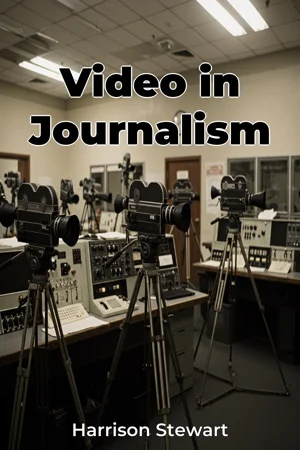
How profoundly has the moving image reshaped our understanding of world events, and what are the lasting consequences for the future of news? "Video in Journalism" explores this transformation, charting the evolution of video footage from a supplementary tool to a central pillar of contemporary news reporting. This book examines the multifaceted influence of video on journalistic practices, ethical considerations, and audience engagement, offering a comprehensive analysis of its integration across various media platforms. The book delves into core themes, beginning with the advent of portable video technology and its impact on war correspondence, moving to the proliferation of citizen journalism facilitated by smartphones, and culminating in the rise of live-streaming events. These topics are crucial because they encapsulate both the technical advancements and the social shifts that have redefined news dissemination and consumption. Understanding these evolutions is vital for journalists, media scholars, and anyone seeking to navigate the complexities of the modern information ecosystem. Historically, news was primarily conveyed through text and still photography. However, the introduction of accessible video recording equipment in the latter half of the 20th century marked a turning point. This technological leap coincided with increasing public demand for immediate and unfiltered access to events, setting the stage for the video-centric news landscape we know today. No specialized knowledge is needed to understand the concepts; the text builds from foundational principles to more complex applications. "Video in Journalism" posits that video footage has not only changed *how* news is reported but also *what* constitutes news. The immediacy and emotional impact of video have altered audience expectations and journalistic priorities, creating both unprecedented opportunities and novel challenges for media professionals. This argument is central to understanding the current state and future trajectory of journalism and the implications of visual media on public perception. The book is structured to provide both breadth and depth. It begins by establishing the historical context of video’s integration into newsrooms and digital platforms. It then explores key areas: (1) the ethics of visual reporting, including manipulation and privacy concerns; (2) the impact of user-generated content on traditional news cycles; and (3) the rise of live streaming and its implications for breaking news coverage. The book culminates by examining emerging video technologies like virtual reality and artificial intelligence and their potential to further transform journalism. Throughout the analysis, the book draws upon a diverse range of evidence, including case studies of significant news events, quantitative data on audience engagement with video content, and qualitative interviews with journalists, editors, and media scholars. It presents a synthesis of academic research and practical insights, offering an accessible and rigorous analysis. "Video in Journalism" also connects to broader discussions in media studies, sociology, and political science. It engages with theories of visual communication, exploring how video influences public opinion and shapes collective memory. Furthermore, it considers the sociological implications of citizen journalism and its impact on power dynamics within media institutions. It also touches upon political science, examining the role of video in shaping political narratives. This book distinguishes itself by providing a comprehensive examination of video’s role across all facets of journalism, from its initial adoption in newsrooms to its present-day ubiquity on social media. It is written in a clear and accessible style, suitable for both academic and professional audiences. The primary target audience includes journalism students, practicing journalists, media scholars, and anyone interested in the evolving dynamics of news and visual culture. This book offers valuable insights for navigating the complexities of a media landscape increasingly dominated by video. As a focused work of journalism and media studies, this book does not delve into the technical aspects of video production. Instead, it concentrates on the journalistic, ethical, and social implications of video in news reporting. The insights presented in "Video in Journalism" have direct real-world applications for journalists seeking to enhance their video reporting skills, media organizations striving to adapt to changing audience preferences, and educators aiming to prepare the next generation of media professionals. Finally, the book addresses ongoing debates surrounding issues such as the authenticity of user-generated content, the ethical implications of manipulating video footage, and the potential for video to exacerbate polarization and misinformation.
How profoundly has the moving image reshaped our understanding of world events, and what are the lasting consequences for the future of news? "Video in Journalism" explores this transformation, charting the evolution of video footage from a supplementary tool to a central pillar of contemporary news reporting. This book examines the multifaceted influence of video on journalistic practices, ethical considerations, and audience engagement, offering a comprehensive analysis of its integration across various media platforms. The book delves into core themes, beginning with the advent of portable video technology and its impact on war correspondence, moving to the proliferation of citizen journalism facilitated by smartphones, and culminating in the rise of live-streaming events. These topics are crucial because they encapsulate both the technical advancements and the social shifts that have redefined news dissemination and consumption. Understanding these evolutions is vital for journalists, media scholars, and anyone seeking to navigate the complexities of the modern information ecosystem. Historically, news was primarily conveyed through text and still photography. However, the introduction of accessible video recording equipment in the latter half of the 20th century marked a turning point. This technological leap coincided with increasing public demand for immediate and unfiltered access to events, setting the stage for the video-centric news landscape we know today. No specialized knowledge is needed to understand the concepts; the text builds from foundational principles to more complex applications. "Video in Journalism" posits that video footage has not only changed *how* news is reported but also *what* constitutes news. The immediacy and emotional impact of video have altered audience expectations and journalistic priorities, creating both unprecedented opportunities and novel challenges for media professionals. This argument is central to understanding the current state and future trajectory of journalism and the implications of visual media on public perception. The book is structured to provide both breadth and depth. It begins by establishing the historical context of video’s integration into newsrooms and digital platforms. It then explores key areas: (1) the ethics of visual reporting, including manipulation and privacy concerns; (2) the impact of user-generated content on traditional news cycles; and (3) the rise of live streaming and its implications for breaking news coverage. The book culminates by examining emerging video technologies like virtual reality and artificial intelligence and their potential to further transform journalism. Throughout the analysis, the book draws upon a diverse range of evidence, including case studies of significant news events, quantitative data on audience engagement with video content, and qualitative interviews with journalists, editors, and media scholars. It presents a synthesis of academic research and practical insights, offering an accessible and rigorous analysis. "Video in Journalism" also connects to broader discussions in media studies, sociology, and political science. It engages with theories of visual communication, exploring how video influences public opinion and shapes collective memory. Furthermore, it considers the sociological implications of citizen journalism and its impact on power dynamics within media institutions. It also touches upon political science, examining the role of video in shaping political narratives. This book distinguishes itself by providing a comprehensive examination of video’s role across all facets of journalism, from its initial adoption in newsrooms to its present-day ubiquity on social media. It is written in a clear and accessible style, suitable for both academic and professional audiences. The primary target audience includes journalism students, practicing journalists, media scholars, and anyone interested in the evolving dynamics of news and visual culture. This book offers valuable insights for navigating the complexities of a media landscape increasingly dominated by video. As a focused work of journalism and media studies, this book does not delve into the technical aspects of video production. Instead, it concentrates on the journalistic, ethical, and social implications of video in news reporting. The insights presented in "Video in Journalism" have direct real-world applications for journalists seeking to enhance their video reporting skills, media organizations striving to adapt to changing audience preferences, and educators aiming to prepare the next generation of media professionals. Finally, the book addresses ongoing debates surrounding issues such as the authenticity of user-generated content, the ethical implications of manipulating video footage, and the potential for video to exacerbate polarization and misinformation.
"Video in Journalism" examines the profound shift in news reporting, where moving images have evolved from supplementary tools to central components. It explores how video has reshaped journalistic practices, audience engagement, and ethical considerations across various media platforms. The rise of portable video technology significantly impacted war correspondence, providing immediate access to unfiltered events; similarly, smartphones enabled citizen journalism, altering news cycles and media power dynamics. This book argues that video has changed not only *how* news is reported but also *what* constitutes news, influencing audience expectations and journalistic priorities. The text begins by establishing a historical context, then progresses through key areas such as ethical considerations in visual reporting, the impact of user-generated content, and the rise of live streaming. It concludes by examining emerging video technologies and their potential to transform journalism further. Drawing upon case studies, quantitative data, and qualitative interviews, the work synthesizes academic research and practical insights. It distinguishes itself by offering a comprehensive examination of video's role across all facets of journalism, providing valuable insights for journalists, media scholars, and anyone interested in the evolving dynamics of news and visual culture.
Book Details
ISBN
9788235219077
Publisher
Publifye AS
Your Licenses
You don't own any licenses for this book
Purchase a license below to unlock this book and download the EPUB.
Purchase License
Select a tier to unlock this book
Need bulk licensing?
Contact us for enterprise agreements.