
About This Book
How did the simple act of recording one's life transform into a global phenomenon reshaping communication, culture, and commerce? "Evolution of Vlogging" delves into the captivating history and profound influence of personal video blogging, charting its journey from niche hobby to a dominant force in online culture and digital influence. This book explores the multifaceted evolution of vlogging, its impact on technology, and its enduring legacy. We begin by examining the technological underpinnings of vlogging, tracing the development of accessible video recording and sharing platforms that enabled its initial growth, paying close attention to broadband internet, webcam technology, and the emergence of YouTube. Understanding the historical context is crucial; therefore, we analyze the social dynamics that fostered the rise of vlogging, including the craving for authentic connection and the democratization of media production. This initial analysis demonstrates how technological advancements and social shifts converged to lay the foundation for vlogging's ascent. The central argument posits that vlogging has not only revolutionized how individuals communicate and share their lives, but also fundamentally altered the landscape of digital marketing, journalism, and social activism. By providing unfiltered access to personal narratives, vlogging has cultivated a new form of digital intimacy, impacting audience engagement and trust in unprecedented ways. We explore this argument through the lens of media studies, examining vlogging's role in challenging traditional media hierarchies and fostering a more participatory online culture. The book unfolds in three primary sections. First, we establish the origins of vlogging, detailing early platforms and pioneers. Second, we explore the development of vlogging as an industry, including the rise of influencer marketing, brand sponsorships, and the professionalization of vloggers. Finally, we analyze the social and cultural implications of vlogging, addressing issues such as authenticity, privacy, and the impact of algorithmic amplification. Our analysis is supported by a wealth of evidence, including quantitative data on platform usage and audience demographics, qualitative analysis of vlogger content and audience feedback, and case studies of successful vlogging campaigns. We also draw from academic research in media studies, communication, and sociology to provide a comprehensive and nuanced understanding of vlogging's impact. We also analyse data from less commonly used sources such as early internet forums where vlog concepts were discussed. Interdisciplinary connections are vital to understanding the full scope of vlogging's influence. We explore its intersections with marketing, analysing how businesses leverage vlogging for brand promotion; with sociology, examining its impact on social norms and identities; and with political science, studying its role in shaping public discourse and political mobilization. These connections enrich our understanding of vlogging as a multifaceted phenomenon with far-reaching implications. This book distinguishes itself by exploring the less obvious implications of vlogging, such as the rise of parasocial relationships and the blurring lines between public and private life. It moves beyond a simple description of vlogging to offer a critical analysis of its social, cultural, and technological ramifications. Written in a fact-based style, the book appeals to a broad audience, including students of media studies, marketing professionals, technology enthusiasts, and anyone curious about the evolution of online culture. It offers valuable insights into the dynamics of digital influence and the power of personal storytelling in the digital age. The book's scope encompasses the major vlogging platforms and trends from the early 2000s to the present day, with a focus on Western online culture. While acknowledging the global reach of vlogging, it primarily concentrates on the dominant trends and platforms that have shaped its evolution in the West. The insights presented in "Evolution of Vlogging" have practical applications for both content creators and consumers. Vloggers can learn strategies for building authentic connections with their audience and navigating the ethical considerations of online influence. Consumers can develop a more critical understanding of the content they consume and the dynamics of online persuasion. We address existing debates within media studies surrounding the authenticity of vlogging content and the potential for manipulation through influencer marketing. By presenting a balanced perspective and drawing on empirical evidence, the book seeks to contribute to a nuanced and informed discussion of these important issues.
How did the simple act of recording one's life transform into a global phenomenon reshaping communication, culture, and commerce? "Evolution of Vlogging" delves into the captivating history and profound influence of personal video blogging, charting its journey from niche hobby to a dominant force in online culture and digital influence. This book explores the multifaceted evolution of vlogging, its impact on technology, and its enduring legacy. We begin by examining the technological underpinnings of vlogging, tracing the development of accessible video recording and sharing platforms that enabled its initial growth, paying close attention to broadband internet, webcam technology, and the emergence of YouTube. Understanding the historical context is crucial; therefore, we analyze the social dynamics that fostered the rise of vlogging, including the craving for authentic connection and the democratization of media production. This initial analysis demonstrates how technological advancements and social shifts converged to lay the foundation for vlogging's ascent. The central argument posits that vlogging has not only revolutionized how individuals communicate and share their lives, but also fundamentally altered the landscape of digital marketing, journalism, and social activism. By providing unfiltered access to personal narratives, vlogging has cultivated a new form of digital intimacy, impacting audience engagement and trust in unprecedented ways. We explore this argument through the lens of media studies, examining vlogging's role in challenging traditional media hierarchies and fostering a more participatory online culture. The book unfolds in three primary sections. First, we establish the origins of vlogging, detailing early platforms and pioneers. Second, we explore the development of vlogging as an industry, including the rise of influencer marketing, brand sponsorships, and the professionalization of vloggers. Finally, we analyze the social and cultural implications of vlogging, addressing issues such as authenticity, privacy, and the impact of algorithmic amplification. Our analysis is supported by a wealth of evidence, including quantitative data on platform usage and audience demographics, qualitative analysis of vlogger content and audience feedback, and case studies of successful vlogging campaigns. We also draw from academic research in media studies, communication, and sociology to provide a comprehensive and nuanced understanding of vlogging's impact. We also analyse data from less commonly used sources such as early internet forums where vlog concepts were discussed. Interdisciplinary connections are vital to understanding the full scope of vlogging's influence. We explore its intersections with marketing, analysing how businesses leverage vlogging for brand promotion; with sociology, examining its impact on social norms and identities; and with political science, studying its role in shaping public discourse and political mobilization. These connections enrich our understanding of vlogging as a multifaceted phenomenon with far-reaching implications. This book distinguishes itself by exploring the less obvious implications of vlogging, such as the rise of parasocial relationships and the blurring lines between public and private life. It moves beyond a simple description of vlogging to offer a critical analysis of its social, cultural, and technological ramifications. Written in a fact-based style, the book appeals to a broad audience, including students of media studies, marketing professionals, technology enthusiasts, and anyone curious about the evolution of online culture. It offers valuable insights into the dynamics of digital influence and the power of personal storytelling in the digital age. The book's scope encompasses the major vlogging platforms and trends from the early 2000s to the present day, with a focus on Western online culture. While acknowledging the global reach of vlogging, it primarily concentrates on the dominant trends and platforms that have shaped its evolution in the West. The insights presented in "Evolution of Vlogging" have practical applications for both content creators and consumers. Vloggers can learn strategies for building authentic connections with their audience and navigating the ethical considerations of online influence. Consumers can develop a more critical understanding of the content they consume and the dynamics of online persuasion. We address existing debates within media studies surrounding the authenticity of vlogging content and the potential for manipulation through influencer marketing. By presenting a balanced perspective and drawing on empirical evidence, the book seeks to contribute to a nuanced and informed discussion of these important issues.
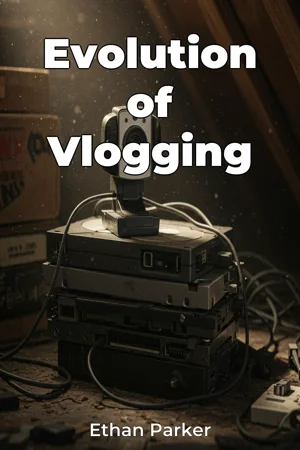
"Evolution of Vlogging" explores the fascinating transformation of personal video blogging from a niche activity into a powerful force shaping online culture, digital marketing, and even social activism. It examines how vloggers have cultivated a unique form of digital intimacy, impacting audience engagement and trust in ways previously unseen. The book highlights how technological advancements, such as improved webcam technology and the rise of YouTube, converged with social shifts, like the desire for authentic connection, to fuel vlogging's rapid growth. The book delves into the evolution of vlogging as an industry, exploring influencer marketing and brand sponsorships. It uniquely analyzes the social and cultural implications of vlogging, addressing issues such as authenticity, privacy, and algorithmic amplification. Through quantitative data, qualitative analysis, and case studies, the book offers a comprehensive understanding of vlogging's impact, drawing from media studies, communication, and sociology. The book progresses by first establishing vlogging's origins, then exploring its development as a professional industry, and finally analyzing its broader social and cultural effects. This approach provides readers with valuable insights into the dynamics of digital influence and the power of personal storytelling in the digital age.
Book Details
ISBN
9788235219060
Publisher
Publifye AS
Your Licenses
You don't own any licenses for this book
Purchase a license below to unlock this book and download the EPUB.
Purchase License
Select a tier to unlock this book
Need bulk licensing?
Contact us for enterprise agreements.