
About This Book
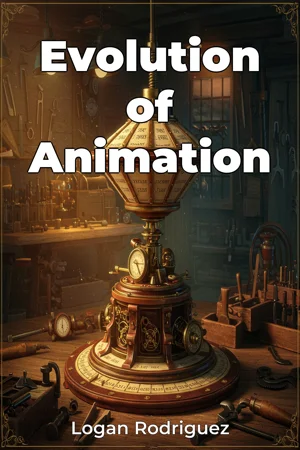
Ever wondered how cartoons evolved from simple drawings to the complex, visually stunning animated films we see today? "Evolution of Animation" embarks on a comprehensive journey through the history, techniques, and artistry of animation, tracing its development from the earliest experiments with motion to the sophisticated computer-generated imagery (CGI) that dominates contemporary cinema. This book examines the pivotal role of technological innovation and artistic vision in shaping the animation landscape. Understanding the interplay of these factors is crucial for anyone seeking to appreciate the depth and breadth of this powerful medium. The book explores three key themes. First, it details the progression of animation techniques, from the painstaking process of hand-drawn animation, cel animation, and stop-motion to the advent of computer animation, motion capture, and virtual reality applications. Second, it analyzes the significant artists and studios that drove these technological advancements and artistic trends. It delves into the works and influence of pioneers like Winsor McCay, Walt Disney, Hayao Miyazaki, and studios such as Pixar and DreamWorks. Third, it contextualizes the evolution of animation within broader historical, social, and technological changes, demonstrating how cultural shifts and technological breakthroughs have shaped the stories told and the ways in which they are presented. "Evolution of Animation" argues that animation is not merely a form of entertainment but a powerful art form that reflects and shapes our understanding of the world. The historical context is crucial. The book begins by laying the groundwork with the earliest experiments in capturing and projecting moving images, highlighting the origins of animation in techniques such as the phenakistoscope and zoetrope. It then moves through the major eras of animation, from the golden age of Disney to the independent animation boom of the late 20th century and the CGI revolution of the 21st. The book unfolds in a chronological fashion, beginning with an introduction to the basic principles of animation and the history of pre-cinematic animation devices. Subsequent chapters delve into key periods and movements, such as the rise of cel animation, the development of stop-motion techniques, and the transition to computer-generated imagery. The book culminates with an examination of contemporary trends in animation, including virtual reality, augmented reality, and the convergence of animation with other media. Support for these arguments comes from a variety of sources, including primary source materials such as animation sketches, production notes, and interviews with animators, as well as secondary source materials such as scholarly articles, film reviews, and historical accounts. The book also draws upon technical manuals and industry publications to explain the intricacies of different animation techniques. "Evolution of Animation" connects to other areas of study, linking animation to film studies, art history, computer science, and cultural studies. This interdisciplinary approach enriches the understanding of animation as both an art form and a technological achievement. The book offers a unique perspective by emphasizing the symbiotic relationship between technology and artistry in the development of animation. It challenges the common perception of animation as either purely artistic or purely technical, arguing that the most significant advancements in animation have occurred when these two aspects have been successfully integrated. Written in an accessible and engaging style, "Evolution of Animation" is aimed at students, scholars, animation professionals, and anyone with an interest in film, art, or technology. It provides valuable insights into the creative process, the technical challenges, and the cultural significance of animation. The book's scope is broad, covering a wide range of animation techniques and historical periods. "Evolution of Animation" does not attempt to be an exhaustive encyclopedia of every animated film ever made but focuses on key trends, movements, and individuals that have shaped the art form. Understanding this evolution allows viewers to appreciate the artistry and technical skill involved in creating animated content. While the book touches on various aesthetic debates within the animation community, it remains focused on providing a balanced and informative overview of the field's development.
Ever wondered how cartoons evolved from simple drawings to the complex, visually stunning animated films we see today? "Evolution of Animation" embarks on a comprehensive journey through the history, techniques, and artistry of animation, tracing its development from the earliest experiments with motion to the sophisticated computer-generated imagery (CGI) that dominates contemporary cinema. This book examines the pivotal role of technological innovation and artistic vision in shaping the animation landscape. Understanding the interplay of these factors is crucial for anyone seeking to appreciate the depth and breadth of this powerful medium. The book explores three key themes. First, it details the progression of animation techniques, from the painstaking process of hand-drawn animation, cel animation, and stop-motion to the advent of computer animation, motion capture, and virtual reality applications. Second, it analyzes the significant artists and studios that drove these technological advancements and artistic trends. It delves into the works and influence of pioneers like Winsor McCay, Walt Disney, Hayao Miyazaki, and studios such as Pixar and DreamWorks. Third, it contextualizes the evolution of animation within broader historical, social, and technological changes, demonstrating how cultural shifts and technological breakthroughs have shaped the stories told and the ways in which they are presented. "Evolution of Animation" argues that animation is not merely a form of entertainment but a powerful art form that reflects and shapes our understanding of the world. The historical context is crucial. The book begins by laying the groundwork with the earliest experiments in capturing and projecting moving images, highlighting the origins of animation in techniques such as the phenakistoscope and zoetrope. It then moves through the major eras of animation, from the golden age of Disney to the independent animation boom of the late 20th century and the CGI revolution of the 21st. The book unfolds in a chronological fashion, beginning with an introduction to the basic principles of animation and the history of pre-cinematic animation devices. Subsequent chapters delve into key periods and movements, such as the rise of cel animation, the development of stop-motion techniques, and the transition to computer-generated imagery. The book culminates with an examination of contemporary trends in animation, including virtual reality, augmented reality, and the convergence of animation with other media. Support for these arguments comes from a variety of sources, including primary source materials such as animation sketches, production notes, and interviews with animators, as well as secondary source materials such as scholarly articles, film reviews, and historical accounts. The book also draws upon technical manuals and industry publications to explain the intricacies of different animation techniques. "Evolution of Animation" connects to other areas of study, linking animation to film studies, art history, computer science, and cultural studies. This interdisciplinary approach enriches the understanding of animation as both an art form and a technological achievement. The book offers a unique perspective by emphasizing the symbiotic relationship between technology and artistry in the development of animation. It challenges the common perception of animation as either purely artistic or purely technical, arguing that the most significant advancements in animation have occurred when these two aspects have been successfully integrated. Written in an accessible and engaging style, "Evolution of Animation" is aimed at students, scholars, animation professionals, and anyone with an interest in film, art, or technology. It provides valuable insights into the creative process, the technical challenges, and the cultural significance of animation. The book's scope is broad, covering a wide range of animation techniques and historical periods. "Evolution of Animation" does not attempt to be an exhaustive encyclopedia of every animated film ever made but focuses on key trends, movements, and individuals that have shaped the art form. Understanding this evolution allows viewers to appreciate the artistry and technical skill involved in creating animated content. While the book touches on various aesthetic debates within the animation community, it remains focused on providing a balanced and informative overview of the field's development.
"Evolution of Animation" explores the captivating journey of animation, from its humble beginnings to the sophisticated CGI marvels of today. It examines how animation evolved through technological innovations and the visions of pioneering artists. Did you know that early animation devices like the phenakistoscope laid the groundwork for modern film? Or that the transition from hand-drawn animation to computer animation revolutionized the industry, enabling the creation of complex and visually stunning worlds? The book progresses chronologically, starting with pre-cinematic devices and moving through key eras like the golden age of Disney and the CGI revolution. It highlights the symbiotic relationship between technology and artistry, showcasing how studios like Pixar and DreamWorks have pushed the boundaries of what's possible. By understanding this evolution, readers will gain a deeper appreciation for animation as a powerful art form that reflects and shapes our understanding of the world, blending elements of film history and art history.
Book Details
ISBN
9788235218988
Publisher
Publifye AS
Your Licenses
You don't own any licenses for this book
Purchase a license below to unlock this book and download the EPUB.
Purchase License
Select a tier to unlock this book
Need bulk licensing?
Contact us for enterprise agreements.