
About This Book
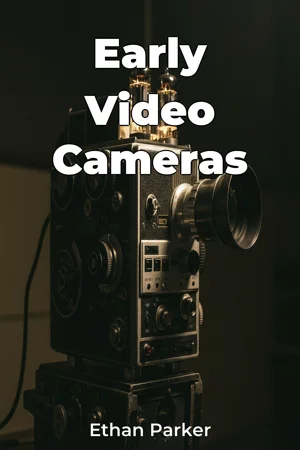
How did the world transform when it first started to record itself in motion? "Early Video Cameras" explores the pivotal role these devices played in shaping modern media and documenting history as it unfolded. This book delves into the technological innovations, cultural impacts, and historical significance of the first video cameras, revealing how they revolutionized news reporting, filmmaking, and personal documentation. The book focuses on three central themes: the evolution of video camera technology, the impact of these early cameras on media production and consumption, and the role of video cameras in preserving historical moments. Understanding these themes is vital because they illuminate the foundations of our contemporary visual culture. Early video cameras were not merely tools; they were agents of change, transforming how we perceive and interact with the world. We begin by establishing the historical context, tracing the development of image capture from still photography to the first moving picture devices. The reader needs no prior technical expertise, as we clarify essential concepts such as image resolution, recording formats, and camera design in accessible language. The book presents a central argument: that the advent of early video cameras marked a paradigm shift in how information was disseminated and consumed, fundamentally altering the relationship between events and their representation. This argument is substantiated through detailed analysis of primary sources, including technical specifications, archival footage, and first-hand accounts from pioneering camera operators and media professionals. The book is structured into three main sections. First, we examine the technical underpinnings of early video cameras, detailing the key inventions and engineering challenges that shaped their development. This section also looks at the social and economic factors that drove innovation. Next, the book explores the impact of these cameras on the news industry, documentary filmmaking, and home entertainment, and how early video technology enabled new forms of storytelling and created new ethical dilemmas regarding objectivity and privacy This is followed by an analysis of notable historical events captured by early video cameras, emphasizing their role in shaping public understanding and collective memory. The book culminates by discussing the legacy of these early devices and their influence on current video technology. Evidence is drawn from a variety of sources, including patent applications, trade journals, news archives, and oral histories. Furthermore, the book analyzes significant news segments and early films to illustrate the impact of video cameras on media content. Interdisciplinary connections are explored through examination of related fields such as sociology, cultural studies, and communication theory. The book also investigates how the development of early video cameras was influenced by and in turn influenced other technological advancements in fields such as telecommunications and computer science. "Early Video Cameras" offers a unique perspective by combining technical analysis with a broader cultural and historical context. It examines the evolution of video technology not just as a series of engineering achievements, but as a reflection of changing social values and power dynamics. The tone of the book is factual and analytical, aiming to provide a balanced and objective account of the subject. The target audience includes film and media students, historians of technology, and anyone interested in learning about the origins of modern visual culture. This book is valuable to them because offers a comprehensive overview of a transformative period in media history. As a work in the 'History, Film & Television' genres, the book aligns with established scholarly standards for research and documentation. The scope of the book focuses primarily on the period from the 1920s through the 1970s, a deliberate limitation that allows for in-depth analysis of the period's key developments. The information presented has practical applications for media professionals seeking to understand the roots of their industry, as well as for educators looking for resources to teach media history. The book also addresses ongoing debates about the role of technology in shaping historical narratives, particularly concerning issues of bias and representation.
How did the world transform when it first started to record itself in motion? "Early Video Cameras" explores the pivotal role these devices played in shaping modern media and documenting history as it unfolded. This book delves into the technological innovations, cultural impacts, and historical significance of the first video cameras, revealing how they revolutionized news reporting, filmmaking, and personal documentation. The book focuses on three central themes: the evolution of video camera technology, the impact of these early cameras on media production and consumption, and the role of video cameras in preserving historical moments. Understanding these themes is vital because they illuminate the foundations of our contemporary visual culture. Early video cameras were not merely tools; they were agents of change, transforming how we perceive and interact with the world. We begin by establishing the historical context, tracing the development of image capture from still photography to the first moving picture devices. The reader needs no prior technical expertise, as we clarify essential concepts such as image resolution, recording formats, and camera design in accessible language. The book presents a central argument: that the advent of early video cameras marked a paradigm shift in how information was disseminated and consumed, fundamentally altering the relationship between events and their representation. This argument is substantiated through detailed analysis of primary sources, including technical specifications, archival footage, and first-hand accounts from pioneering camera operators and media professionals. The book is structured into three main sections. First, we examine the technical underpinnings of early video cameras, detailing the key inventions and engineering challenges that shaped their development. This section also looks at the social and economic factors that drove innovation. Next, the book explores the impact of these cameras on the news industry, documentary filmmaking, and home entertainment, and how early video technology enabled new forms of storytelling and created new ethical dilemmas regarding objectivity and privacy This is followed by an analysis of notable historical events captured by early video cameras, emphasizing their role in shaping public understanding and collective memory. The book culminates by discussing the legacy of these early devices and their influence on current video technology. Evidence is drawn from a variety of sources, including patent applications, trade journals, news archives, and oral histories. Furthermore, the book analyzes significant news segments and early films to illustrate the impact of video cameras on media content. Interdisciplinary connections are explored through examination of related fields such as sociology, cultural studies, and communication theory. The book also investigates how the development of early video cameras was influenced by and in turn influenced other technological advancements in fields such as telecommunications and computer science. "Early Video Cameras" offers a unique perspective by combining technical analysis with a broader cultural and historical context. It examines the evolution of video technology not just as a series of engineering achievements, but as a reflection of changing social values and power dynamics. The tone of the book is factual and analytical, aiming to provide a balanced and objective account of the subject. The target audience includes film and media students, historians of technology, and anyone interested in learning about the origins of modern visual culture. This book is valuable to them because offers a comprehensive overview of a transformative period in media history. As a work in the 'History, Film & Television' genres, the book aligns with established scholarly standards for research and documentation. The scope of the book focuses primarily on the period from the 1920s through the 1970s, a deliberate limitation that allows for in-depth analysis of the period's key developments. The information presented has practical applications for media professionals seeking to understand the roots of their industry, as well as for educators looking for resources to teach media history. The book also addresses ongoing debates about the role of technology in shaping historical narratives, particularly concerning issues of bias and representation.
"Early Video Cameras" explores the fascinating history and impact of the first video cameras, devices that profoundly reshaped media and our perception of the world. The book examines how these early innovations revolutionized news reporting, filmmaking, and personal documentation, laying the groundwork for contemporary visual culture. Early video cameras were more than just tools; they transformed how we record and disseminate information, forever altering the relationship between events and their representation. For instance, early news segments captured on these cameras provided unprecedented immediacy, while advancements in video technology enabled new forms of storytelling in documentary filmmaking. The book approaches this history by blending technical analysis with a broader cultural and historical context, showing how these devices reflected changing social values. It is structured into three main sections. First, the technical underpinnings of early video cameras are detailed, including the engineering challenges and social factors that drove innovation. Next, the impact of these cameras on news, documentary filmmaking, and home entertainment is explored. Finally, the book analyzes notable historical events captured by these early video cameras, emphasizing their role in shaping public understanding. The book is a valuable resource for film and media students, historians, and anyone interested in the origins of modern visual culture.
Book Details
ISBN
9788235218957
Publisher
Publifye AS
Your Licenses
You don't own any licenses for this book
Purchase a license below to unlock this book and download the EPUB.
Purchase License
Select a tier to unlock this book
Need bulk licensing?
Contact us for enterprise agreements.