
About This Book
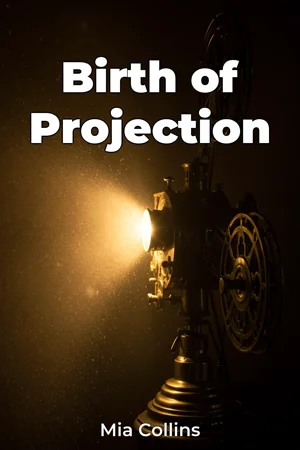
What if the magic of cinema began not with cameras, but with ingenuity in crafting light and shadow? "Birth of Projection" explores the fascinating history of how early photographic projection techniques served as the crucial precursor to both the silver screen and the commonplace slideshow presentations of today. This book delves into the pivotal role of these often-overlooked methods in shaping visual culture. The core of the book examines three main conceptual areas: the evolution of projection devices from rudimentary lanterns to sophisticated optical instruments; the cultural impact of projected images on entertainment, education, and scientific visualization; and the technical innovations in photography itself that enabled brighter, clearer, and more reproducible projected images. These themes are important because they illuminate a foundational period in the history of visual media, revealing how experimentation with light and image laid the groundwork for the mass media we consume today. To fully appreciate the narrative, a basic understanding of 19th-century photography and optical physics is helpful but not essential, as the book provides ample background on key concepts and figures. The socio-economic conditions that fueled the demand for visual spectacle during the industrial revolution are also discussed, offering context on the intersection of technological development and its public reception. The central argument of "Birth of Projection" is that understanding the development of photographic projection is essential to understanding the pre-history of cinema and the broader evolution of visual communication technologies. Rejecting the conventional focus solely on cameras and film, this book posits that the ability to project and share images with an audience constituted a critical step toward modern cinematic experiences and shaped the way that visual information was perceived. The book begins by introducing the core concept of image projection, tracing its origins from optical devices, magic lanterns and shadow plays. It then develops this idea through key chapters focusing on: (1)The scientific experiments that led to advancements in lens technology and illumination techniques. (2) The entrepreneurs and showmen who popularized projected images as a form of mass entertainment. (3) The emerging role of photography in creating source materials for projection, including lantern slides and early motion picture strips. The book culminates by demonstrating how these disparate threads converged to create the conditions necessary for the invention of cinema. It also explores the continued relevance of projection techniques in education, scientific research, and artistic expression. The arguments presented are supported by a wealth of historical evidence gathered from primary sources, including patents, trade publications, personal diaries, and surviving examples of early projection equipment and lantern slides. These sources are supplemented by analysis of secondary scholarship in the fields of film history, photography, and the history of science. The book applies a mixed-method approach, combining technical analysis of optical systems with cultural interpretation of the images they projected. "Birth of Projection" also connects to several other fields, including art history (through the analysis of visual aesthetics of projected images), media studies (by examining the cultural impact of early forms of visual media), and the history of technology (by tracing the evolution of optical devices). These interdisciplinary connections enhance the book's argument by demonstrating the broad cultural relevance of photographic projection. This book takes a unique perspective by focusing on pre-cinematic projection technologies. It challenges the dominant narrative of film history, which tends to emphasize the invention of motion picture cameras, the work instead illuminates the crucial role of projection in bringing photographic images to a mass audience. Written in a clear and accessible style, "Birth of Projection" avoids technical jargon where possible and provides detailed explanations of key concepts. The tone is informative and engaging, making the material approachable for a wide range of readers. The target audience includes students and scholars of film history, photography, media studies, and the history of science, as well as anyone with a general interest in the history of visual culture. The book would be valuable to them because it provides a fresh perspective on the origins of cinema and sheds light on a neglected chapter in the history of visual media. As a work of non-fiction in the genres of Photography General, Film & Television, and Photography, this book adheres to the conventions of scholarly research and historical accuracy. It presents a well-researched and clearly argued account of the development of photographic projection, supported by evidence from primary and secondary sources. The scope of the book is limited to the period between the mid-19th century and the early 20th century, focusing on the developments that led directly to the invention of cinema. It does not delve into the later history of film or other forms of visual media. The information in "Birth of Projection" can be applied practically by readers interested in understanding the historical context of contemporary visual media. It can also provide inspiration for artists and educators interested in exploring the creative possibilities of projection techniques. While there are no major controversies surrounding the basic facts of this history, scholars continue to debate the relative importance of various inventors and innovations in the development of cinema. This book contributes to that debate by highlighting the crucial role of projection in shaping the trajectory of visual media.
What if the magic of cinema began not with cameras, but with ingenuity in crafting light and shadow? "Birth of Projection" explores the fascinating history of how early photographic projection techniques served as the crucial precursor to both the silver screen and the commonplace slideshow presentations of today. This book delves into the pivotal role of these often-overlooked methods in shaping visual culture. The core of the book examines three main conceptual areas: the evolution of projection devices from rudimentary lanterns to sophisticated optical instruments; the cultural impact of projected images on entertainment, education, and scientific visualization; and the technical innovations in photography itself that enabled brighter, clearer, and more reproducible projected images. These themes are important because they illuminate a foundational period in the history of visual media, revealing how experimentation with light and image laid the groundwork for the mass media we consume today. To fully appreciate the narrative, a basic understanding of 19th-century photography and optical physics is helpful but not essential, as the book provides ample background on key concepts and figures. The socio-economic conditions that fueled the demand for visual spectacle during the industrial revolution are also discussed, offering context on the intersection of technological development and its public reception. The central argument of "Birth of Projection" is that understanding the development of photographic projection is essential to understanding the pre-history of cinema and the broader evolution of visual communication technologies. Rejecting the conventional focus solely on cameras and film, this book posits that the ability to project and share images with an audience constituted a critical step toward modern cinematic experiences and shaped the way that visual information was perceived. The book begins by introducing the core concept of image projection, tracing its origins from optical devices, magic lanterns and shadow plays. It then develops this idea through key chapters focusing on: (1)The scientific experiments that led to advancements in lens technology and illumination techniques. (2) The entrepreneurs and showmen who popularized projected images as a form of mass entertainment. (3) The emerging role of photography in creating source materials for projection, including lantern slides and early motion picture strips. The book culminates by demonstrating how these disparate threads converged to create the conditions necessary for the invention of cinema. It also explores the continued relevance of projection techniques in education, scientific research, and artistic expression. The arguments presented are supported by a wealth of historical evidence gathered from primary sources, including patents, trade publications, personal diaries, and surviving examples of early projection equipment and lantern slides. These sources are supplemented by analysis of secondary scholarship in the fields of film history, photography, and the history of science. The book applies a mixed-method approach, combining technical analysis of optical systems with cultural interpretation of the images they projected. "Birth of Projection" also connects to several other fields, including art history (through the analysis of visual aesthetics of projected images), media studies (by examining the cultural impact of early forms of visual media), and the history of technology (by tracing the evolution of optical devices). These interdisciplinary connections enhance the book's argument by demonstrating the broad cultural relevance of photographic projection. This book takes a unique perspective by focusing on pre-cinematic projection technologies. It challenges the dominant narrative of film history, which tends to emphasize the invention of motion picture cameras, the work instead illuminates the crucial role of projection in bringing photographic images to a mass audience. Written in a clear and accessible style, "Birth of Projection" avoids technical jargon where possible and provides detailed explanations of key concepts. The tone is informative and engaging, making the material approachable for a wide range of readers. The target audience includes students and scholars of film history, photography, media studies, and the history of science, as well as anyone with a general interest in the history of visual culture. The book would be valuable to them because it provides a fresh perspective on the origins of cinema and sheds light on a neglected chapter in the history of visual media. As a work of non-fiction in the genres of Photography General, Film & Television, and Photography, this book adheres to the conventions of scholarly research and historical accuracy. It presents a well-researched and clearly argued account of the development of photographic projection, supported by evidence from primary and secondary sources. The scope of the book is limited to the period between the mid-19th century and the early 20th century, focusing on the developments that led directly to the invention of cinema. It does not delve into the later history of film or other forms of visual media. The information in "Birth of Projection" can be applied practically by readers interested in understanding the historical context of contemporary visual media. It can also provide inspiration for artists and educators interested in exploring the creative possibilities of projection techniques. While there are no major controversies surrounding the basic facts of this history, scholars continue to debate the relative importance of various inventors and innovations in the development of cinema. This book contributes to that debate by highlighting the crucial role of projection in shaping the trajectory of visual media.
"Birth of Projection" explores the fascinating pre-history of cinema, highlighting the pivotal role of photographic projection in shaping visual culture. Far from simply being about cameras, the book argues that projecting images to an audience was a crucial step toward modern cinematic experiences. Readers will discover how innovations in lens technology and optical instruments, like magic lanterns, transformed entertainment and scientific visualization during the 19th century. The book progresses from the origins of image projection in optical devices to the rise of entrepreneurs who popularized projected images. Discover how early motion picture strips and lantern slides emerged, setting the stage for the invention of cinema. By focusing on these often-overlooked techniques, "Birth of Projection" offers a unique perspective on the evolution of visual media.
Book Details
ISBN
9788235218933
Publisher
Publifye AS
Your Licenses
You don't own any licenses for this book
Purchase a license below to unlock this book and download the EPUB.
Purchase License
Select a tier to unlock this book
Need bulk licensing?
Contact us for enterprise agreements.