
About This Book
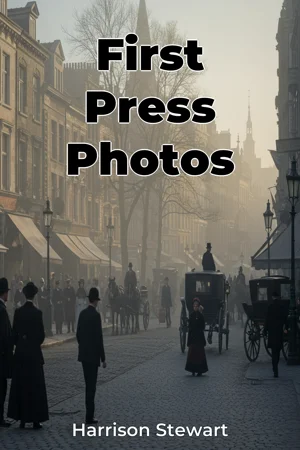
How did fleeting moments, captured on fragile plates, redefine our understanding of the world? "First Press Photos" delves into the transformative era when photography first entered the daily news cycle, forever altering journalism and shaping public perception. This book explores the crucial intersection of technological innovation, evolving journalistic practices, and the burgeoning power of visual media. The book’s core lies in three pivotal areas: the technological advancements that made press photography possible, the evolving role of journalists in using this new medium, and the profound impact of these images on public opinion and historical narrative. These topics are vital because they illuminate a turning point in how we receive and interpret information, a process that continues to shape our world today. To fully understand the significance of these early press photos, we must consider the historical backdrop of the late 19th and early 20th centuries – a period marked by rapid technological progress and increasing public literacy. The development of portable cameras and faster printing techniques, alongside a growing demand for news, created the perfect environment for press photography to flourish. Prior familiarity with the history of photography or journalism is helpful, but not essential, as the book provides necessary context. The central argument of "First Press Photos" emphasizes that the introduction of photography into news media was not merely a technological upgrade but a fundamental shift in the nature of journalism itself. Visual evidence became a powerful tool for shaping public understanding and influencing social and political discourse. This argument is critical to understanding the roots of modern media and its complex relationship with truth and representation. The book unfolds in a structured manner. First, it introduces the key technological innovations that enabled early press photography. It then examines the pioneers of this field, the photographers and editors who experimented with incorporating images into news publications. The book proceeds by exploring specific case studies, analyzing the impact of iconic early press photos on public perception of major historical events. These events may include wars, political rallies, and social movements. Finally, the book culminates by discussing the ethical challenges and lasting legacy of early press photography, drawing parallels to contemporary media landscape and its reliance on visual storytelling. The analysis presented is grounded in extensive archival research, drawing on original photographs, newspaper articles, and personal accounts from the era. The book also incorporates insights from media studies, art history, and sociological analysis to provide a comprehensive understanding of the subject. "First Press Photos" connects to several other disciplines. It links to media studies by examining the evolution of journalistic practices, to art history by analyzing the aesthetic qualities of these early photographs, and to sociology by exploring the social and cultural impact of visual media. These interdisciplinary connections enrich the book's argument, demonstrating the far-reaching implications of early press photography. This book takes a fresh approach by focusing not only on the technical aspects of early press photography but also on the human stories behind the images. It highlights the photographers' struggles, the editors' decisions, and the public's reactions to these groundbreaking visual reports. Written in a style accessible to both academic and general audiences, "First Press Photos" blends historical narrative with insightful analysis. It is aimed at anyone interested in photography, journalism, media history, or the power of visual communication. This book is valuable to them because it provides a deeper understanding of the roots of modern media and its ongoing impact on society. As a work of photographic history and journalism, this book strives to adhere to the genre's emphasis on accuracy, objectivity, and in-depth research. While acknowledging the inherent subjectivity involved in selecting and interpreting historical material, the book endeavors to present a balanced and nuanced account of early press photography. The scope of "First Press Photos" encompasses the period from the late 19th century to the early 20th century, focusing primarily on the United States and Europe. While acknowledging the global development of press photography, the book intentionally limits its scope to these regions in order to provide a more focused and in-depth analysis. The insights in "First Press Photos" have various real-world applications. It can help media professionals develop a deeper understanding of the ethical challenges involved in visual journalism, and it can equip educators with valuable resources for teaching media literacy and critical thinking skills. Further, it offers historical context to debates surrounding visual misinformation and the power of images in shaping public opinion. The book also addresses ongoing debates surrounding issues of representation, bias, and manipulation in visual media. By examining the historical roots of these issues, "First Press Photos" aims to provide a more informed and nuanced perspective on these complex and relevant topics.
How did fleeting moments, captured on fragile plates, redefine our understanding of the world? "First Press Photos" delves into the transformative era when photography first entered the daily news cycle, forever altering journalism and shaping public perception. This book explores the crucial intersection of technological innovation, evolving journalistic practices, and the burgeoning power of visual media. The book’s core lies in three pivotal areas: the technological advancements that made press photography possible, the evolving role of journalists in using this new medium, and the profound impact of these images on public opinion and historical narrative. These topics are vital because they illuminate a turning point in how we receive and interpret information, a process that continues to shape our world today. To fully understand the significance of these early press photos, we must consider the historical backdrop of the late 19th and early 20th centuries – a period marked by rapid technological progress and increasing public literacy. The development of portable cameras and faster printing techniques, alongside a growing demand for news, created the perfect environment for press photography to flourish. Prior familiarity with the history of photography or journalism is helpful, but not essential, as the book provides necessary context. The central argument of "First Press Photos" emphasizes that the introduction of photography into news media was not merely a technological upgrade but a fundamental shift in the nature of journalism itself. Visual evidence became a powerful tool for shaping public understanding and influencing social and political discourse. This argument is critical to understanding the roots of modern media and its complex relationship with truth and representation. The book unfolds in a structured manner. First, it introduces the key technological innovations that enabled early press photography. It then examines the pioneers of this field, the photographers and editors who experimented with incorporating images into news publications. The book proceeds by exploring specific case studies, analyzing the impact of iconic early press photos on public perception of major historical events. These events may include wars, political rallies, and social movements. Finally, the book culminates by discussing the ethical challenges and lasting legacy of early press photography, drawing parallels to contemporary media landscape and its reliance on visual storytelling. The analysis presented is grounded in extensive archival research, drawing on original photographs, newspaper articles, and personal accounts from the era. The book also incorporates insights from media studies, art history, and sociological analysis to provide a comprehensive understanding of the subject. "First Press Photos" connects to several other disciplines. It links to media studies by examining the evolution of journalistic practices, to art history by analyzing the aesthetic qualities of these early photographs, and to sociology by exploring the social and cultural impact of visual media. These interdisciplinary connections enrich the book's argument, demonstrating the far-reaching implications of early press photography. This book takes a fresh approach by focusing not only on the technical aspects of early press photography but also on the human stories behind the images. It highlights the photographers' struggles, the editors' decisions, and the public's reactions to these groundbreaking visual reports. Written in a style accessible to both academic and general audiences, "First Press Photos" blends historical narrative with insightful analysis. It is aimed at anyone interested in photography, journalism, media history, or the power of visual communication. This book is valuable to them because it provides a deeper understanding of the roots of modern media and its ongoing impact on society. As a work of photographic history and journalism, this book strives to adhere to the genre's emphasis on accuracy, objectivity, and in-depth research. While acknowledging the inherent subjectivity involved in selecting and interpreting historical material, the book endeavors to present a balanced and nuanced account of early press photography. The scope of "First Press Photos" encompasses the period from the late 19th century to the early 20th century, focusing primarily on the United States and Europe. While acknowledging the global development of press photography, the book intentionally limits its scope to these regions in order to provide a more focused and in-depth analysis. The insights in "First Press Photos" have various real-world applications. It can help media professionals develop a deeper understanding of the ethical challenges involved in visual journalism, and it can equip educators with valuable resources for teaching media literacy and critical thinking skills. Further, it offers historical context to debates surrounding visual misinformation and the power of images in shaping public opinion. The book also addresses ongoing debates surrounding issues of representation, bias, and manipulation in visual media. By examining the historical roots of these issues, "First Press Photos" aims to provide a more informed and nuanced perspective on these complex and relevant topics.
"First Press Photos" explores the groundbreaking era when photography revolutionized journalism and reshaped public perception. Delving into the late 19th and early 20th centuries, the book illuminates how technological advancements, such as portable cameras and faster printing, converged with evolving journalistic practices to create a powerful new form of visual media. Early press photos not only captured fleeting moments but also fundamentally altered how news was disseminated and understood, influencing social and political discourse in unprecedented ways. The book examines the pioneers behind this transformation, the photographers and editors who experimented with integrating images into news publications. Through case studies of iconic early press photos, such as those documenting wars and social movements, the book analyzes their profound impact on public opinion. "First Press Photos" is unique in its approach, blending historical narrative with insightful analysis to reveal the human stories behind the images and the ethical challenges that arose with this new form of visual communication. The book progresses from introducing the technological innovations that enabled press photography to examining the individuals who shaped the field. It then explores specific examples of early press photos and their impact before concluding with a discussion of the lasting legacy and ethical considerations of this transformative period in media history.
Book Details
ISBN
9788235218797
Publisher
Publifye AS
Your Licenses
You don't own any licenses for this book
Purchase a license below to unlock this book and download the EPUB.
Purchase License
Select a tier to unlock this book
Need bulk licensing?
Contact us for enterprise agreements.