
About This Book
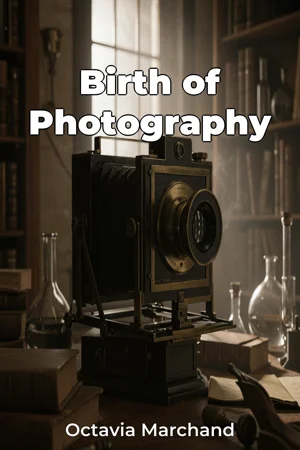
Have you ever wondered how a fleeting moment can be preserved for eternity? "Birth of Photography" delves into the captivating history of the first cameras and the groundbreaking techniques that not only revolutionized image-making but also laid the foundation for modern photography as we know it. This book explores the pivotal moments, key figures, and scientific breakthroughs that transformed our ability to capture and interpret the world around us. The book focuses on three main areas: the pre-photographic era and early experiments, the invention of the first practical photographic processes, and the dissemination and adoption of photography as both a scientific tool and an art form during the 19th century. Each of these topics is significant because they represent crucial steps in the evolution of a technology that profoundly impacted science, art, and society. Without understanding these foundational elements, the current state of photography would remain a mystery, devoid of historical context. To fully appreciate the birth of photography, it's essential to understand the historical and scientific backdrop against which it emerged. The book provides a discussion of the principles of optics and chemistry known in the 17th and 18th centuries, including the camera obscura and the light-sensitive properties of certain chemicals. Prior knowledge of basic scientific concepts is helpful, but explanations are provided to ensure accessibility. The central argument of "Birth of Photography" is that the invention of photography was not a single event but a gradual process of innovation, experimentation, and collaboration that involved numerous individuals across different disciplines. The book demonstrates that the birth of photography was a complex interplay of scientific discovery, artistic vision, and entrepreneurial spirit. This argument is vital because it challenges the notion of a singular inventor and recognizes the collective effort that shaped this transformative technology. The book begins by examining the pre-cursors to photography like alchemic processes in image creation. It then progresses to the pivotal inventions of the Daguerreotype and Calotype, detailing the scientific principles, technical challenges, and personalities involved. Subsequent chapters explore the refinement and democratization of photographic processes, the rise of photographic studios, and the application of photography in scientific documentation, portraiture, and artistic expression. The book culminates by examining the early debates surrounding photography's status as an art form and its societal impact. The evidence presented is drawn from historical archives, original scientific papers, patent records, and early photographic prints. The book analyzes a wide range of primary sources, including the correspondence of inventors, technical manuals, and period publications, to provide a comprehensive and nuanced account of photography's origins. "Birth of Photography" connects to several other fields, including the history of science and technology, art history, and social history. This interdisciplinary approach enriches the book's argument by illustrating how photography was influenced by and, in turn, influenced broader cultural and intellectual trends. What sets this book apart is its emphasis on the collaborative nature of photography's invention and its contextualization within the broader scientific, artistic, and social landscape of the 19th century. It avoids a purely technological focus, instead highlighting the human stories and cultural forces that shaped the development of this revolutionary medium. The tone is authoritative and informative, yet accessible to a broad audience. The writing style is clear and engaging, avoiding technical jargon and presenting complex concepts in a straightforward manner. The intended readership includes photography enthusiasts, students of art history, and anyone interested in the history of science and technology. The book will be valuable to them because it provides a comprehensive and accessible account of photography's origins, shedding light on the foundational principles and key figures that shaped this influential medium. As a work in the genre of photography history, "Birth of Photography" adheres to the conventions of rigorous scholarship, drawing upon primary sources and offering a balanced and nuanced interpretation of events. The book's scope is limited to the first several decades of photography's existence, from the early experiments of the late 18th century to the widespread adoption of photographic processes in the mid-19th century. This focus allows for a detailed examination of the crucial formative years of the technology. The information explored has real-world applications for contemporary photographers and visual artists, offering insights into the historical roots of their craft and inspiring experimentation with alternative processes. The understanding of the historical tools and methods allows for a deeper understanding of current digital and analog methods. The book addresses ongoing debates surrounding the role of photography as a purely objective representation of reality versus a subjective and artistic interpretation. By examining the early debates on this topic, the book provides a historical perspective on a controversy that continues to shape contemporary discussions about photography.
Have you ever wondered how a fleeting moment can be preserved for eternity? "Birth of Photography" delves into the captivating history of the first cameras and the groundbreaking techniques that not only revolutionized image-making but also laid the foundation for modern photography as we know it. This book explores the pivotal moments, key figures, and scientific breakthroughs that transformed our ability to capture and interpret the world around us. The book focuses on three main areas: the pre-photographic era and early experiments, the invention of the first practical photographic processes, and the dissemination and adoption of photography as both a scientific tool and an art form during the 19th century. Each of these topics is significant because they represent crucial steps in the evolution of a technology that profoundly impacted science, art, and society. Without understanding these foundational elements, the current state of photography would remain a mystery, devoid of historical context. To fully appreciate the birth of photography, it's essential to understand the historical and scientific backdrop against which it emerged. The book provides a discussion of the principles of optics and chemistry known in the 17th and 18th centuries, including the camera obscura and the light-sensitive properties of certain chemicals. Prior knowledge of basic scientific concepts is helpful, but explanations are provided to ensure accessibility. The central argument of "Birth of Photography" is that the invention of photography was not a single event but a gradual process of innovation, experimentation, and collaboration that involved numerous individuals across different disciplines. The book demonstrates that the birth of photography was a complex interplay of scientific discovery, artistic vision, and entrepreneurial spirit. This argument is vital because it challenges the notion of a singular inventor and recognizes the collective effort that shaped this transformative technology. The book begins by examining the pre-cursors to photography like alchemic processes in image creation. It then progresses to the pivotal inventions of the Daguerreotype and Calotype, detailing the scientific principles, technical challenges, and personalities involved. Subsequent chapters explore the refinement and democratization of photographic processes, the rise of photographic studios, and the application of photography in scientific documentation, portraiture, and artistic expression. The book culminates by examining the early debates surrounding photography's status as an art form and its societal impact. The evidence presented is drawn from historical archives, original scientific papers, patent records, and early photographic prints. The book analyzes a wide range of primary sources, including the correspondence of inventors, technical manuals, and period publications, to provide a comprehensive and nuanced account of photography's origins. "Birth of Photography" connects to several other fields, including the history of science and technology, art history, and social history. This interdisciplinary approach enriches the book's argument by illustrating how photography was influenced by and, in turn, influenced broader cultural and intellectual trends. What sets this book apart is its emphasis on the collaborative nature of photography's invention and its contextualization within the broader scientific, artistic, and social landscape of the 19th century. It avoids a purely technological focus, instead highlighting the human stories and cultural forces that shaped the development of this revolutionary medium. The tone is authoritative and informative, yet accessible to a broad audience. The writing style is clear and engaging, avoiding technical jargon and presenting complex concepts in a straightforward manner. The intended readership includes photography enthusiasts, students of art history, and anyone interested in the history of science and technology. The book will be valuable to them because it provides a comprehensive and accessible account of photography's origins, shedding light on the foundational principles and key figures that shaped this influential medium. As a work in the genre of photography history, "Birth of Photography" adheres to the conventions of rigorous scholarship, drawing upon primary sources and offering a balanced and nuanced interpretation of events. The book's scope is limited to the first several decades of photography's existence, from the early experiments of the late 18th century to the widespread adoption of photographic processes in the mid-19th century. This focus allows for a detailed examination of the crucial formative years of the technology. The information explored has real-world applications for contemporary photographers and visual artists, offering insights into the historical roots of their craft and inspiring experimentation with alternative processes. The understanding of the historical tools and methods allows for a deeper understanding of current digital and analog methods. The book addresses ongoing debates surrounding the role of photography as a purely objective representation of reality versus a subjective and artistic interpretation. By examining the early debates on this topic, the book provides a historical perspective on a controversy that continues to shape contemporary discussions about photography.
"Birth of Photography" explores the fascinating history of how photography emerged, transforming image-making and setting the stage for the modern era. It delves into the key figures, pivotal moments, and scientific breakthroughs that shaped our ability to capture the world. The book highlights that photography's invention was not a singular event, but a gradual, collaborative process involving numerous individuals across different disciplines such as science, art, and entrepreneurship. Readers will gain insights into early experiments, the invention of practical photographic processes like the daguerreotype and calotype, and the spread of photography as both a scientific tool and an art form during the 19th century. The book begins by examining pre-photographic techniques and progresses to the inventions of the Daguerreotype and Calotype, detailing the technical challenges and personalities involved. It explores the refinement of photographic processes, the rise of photographic studios, and photography's application in science, portraiture, and art. Ultimately, "Birth of Photography" provides a comprehensive account of photography's origins, contextualizing its development within the broader scientific, artistic, and social landscape.
Book Details
ISBN
9788235218650
Publisher
Publifye AS
Your Licenses
You don't own any licenses for this book
Purchase a license below to unlock this book and download the EPUB.
Purchase License
Select a tier to unlock this book
Need bulk licensing?
Contact us for enterprise agreements.