
About This Book
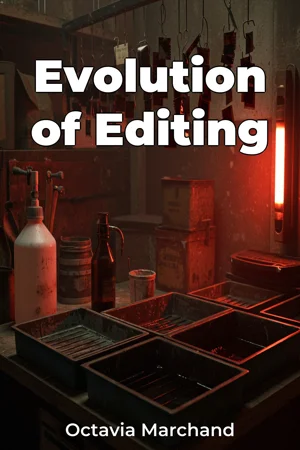
How did the manipulation of light and chemicals in the darkroom evolve into the sophisticated digital photo editing we know today? "Evolution of Editing" explores this transformative journey, tracing the historical, technological, and artistic developments that have shaped how we create and perceive photographic images. This book delves into the core concepts that underpin the evolution of photo editing, examining the technology itself, the artistic movements it enabled, and the ethical considerations it raised. This book is significant because it provides a comprehensive understanding of the evolution of photo editing, a process that has profoundly impacted visual culture and communication. It’s relevant to anyone interested in photography, technology, art history, or the broader impact of digital tools on society. "Evolution of Editing" provides essential context by examining the pre-digital era, including the development of photographic processes and darkroom techniques. We analyze the technical constraints of early photography and how these limitations fostered creative problem-solving among photographers. No prior technical knowledge is required; the book is written to be accessible to a broad audience. The central argument of this book is that the evolution of photo editing reflects a continuous interplay between technological innovation, artistic expression, and evolving cultural values. Understanding this interplay is crucial for navigating the complex visual landscape of the 21st century. The book begins by introducing pre-digital photo manipulation and then proceeds through the following key stages: a) **Early Photography and Darkroom Techniques:** We examine the origins of photo editing in the darkroom, focusing on techniques like dodging, burning, and retouching. b) **The Transition to Digital:** This section covers the development of early digital imaging software and hardware, exploring the challenges and opportunities presented by this new technology. c) **Modern Photo Editing and Its Impact:** We analyze the capabilities of contemporary photo editing software, such as Photoshop, and discuss their influence on art, journalism, and advertising. d) **Ethical Considerations and Future Trends:** We address the ethical implications of photo manipulation and consider the future of photo editing in an age of artificial intelligence. The book relies on a variety of evidence, including historical documents, technical manuals, interviews with photographers and software developers, and case studies of significant edited images. Unique data sources include archival materials from photographic societies and records of early software development projects. "Evolution of Editing" connects to several other fields of study: 1. **Art History:** Photo editing is a form of artistic expression, and its evolution is intertwined with broader movements in art and visual culture. 2. **Media Studies:** The book examines the influence of photo editing on media representation and public perception. 3. **Computer Science:** The development of photo editing software is a testament to advances in computer science and image processing. This book stands out by offering a multidisciplinary perspective on photo editing, combining technical analysis with historical and cultural insights. It avoids overly technical jargon, making it accessible to a broader audience. The tone of the book is informative and engaging, blending technical explanations with narrative history. The writing style is accessible and avoids overly academic language. The target audience includes photography enthusiasts, students of photography and media studies, art historians, and anyone interested in the evolution of digital technology. The book is valuable to them because it provides a comprehensive and critical understanding of a technology that has had a profound impact on our world. As a work of non-fiction, "Evolution of Editing" adheres to principles of accuracy, objectivity, and thorough research, ensuring the information presented is reliable and well-supported. The scope of the book is limited to the evolution of photo editing techniques and technologies, with a focus on their impact on visual culture. It does not delve deeply into the technical details of specific software programs but rather examines the broader trends and developments in the field. The information in "Evolution of Editing" can be applied practically by photographers, designers, and media professionals to better understand the ethical and aesthetic implications of their work. It also equips readers with the critical skills to analyze and interpret edited images in the media. The book addresses ongoing debates about the ethics of photo manipulation, particularly in journalism and advertising, providing a balanced perspective on these complex issues.
How did the manipulation of light and chemicals in the darkroom evolve into the sophisticated digital photo editing we know today? "Evolution of Editing" explores this transformative journey, tracing the historical, technological, and artistic developments that have shaped how we create and perceive photographic images. This book delves into the core concepts that underpin the evolution of photo editing, examining the technology itself, the artistic movements it enabled, and the ethical considerations it raised. This book is significant because it provides a comprehensive understanding of the evolution of photo editing, a process that has profoundly impacted visual culture and communication. It’s relevant to anyone interested in photography, technology, art history, or the broader impact of digital tools on society. "Evolution of Editing" provides essential context by examining the pre-digital era, including the development of photographic processes and darkroom techniques. We analyze the technical constraints of early photography and how these limitations fostered creative problem-solving among photographers. No prior technical knowledge is required; the book is written to be accessible to a broad audience. The central argument of this book is that the evolution of photo editing reflects a continuous interplay between technological innovation, artistic expression, and evolving cultural values. Understanding this interplay is crucial for navigating the complex visual landscape of the 21st century. The book begins by introducing pre-digital photo manipulation and then proceeds through the following key stages: a) **Early Photography and Darkroom Techniques:** We examine the origins of photo editing in the darkroom, focusing on techniques like dodging, burning, and retouching. b) **The Transition to Digital:** This section covers the development of early digital imaging software and hardware, exploring the challenges and opportunities presented by this new technology. c) **Modern Photo Editing and Its Impact:** We analyze the capabilities of contemporary photo editing software, such as Photoshop, and discuss their influence on art, journalism, and advertising. d) **Ethical Considerations and Future Trends:** We address the ethical implications of photo manipulation and consider the future of photo editing in an age of artificial intelligence. The book relies on a variety of evidence, including historical documents, technical manuals, interviews with photographers and software developers, and case studies of significant edited images. Unique data sources include archival materials from photographic societies and records of early software development projects. "Evolution of Editing" connects to several other fields of study: 1. **Art History:** Photo editing is a form of artistic expression, and its evolution is intertwined with broader movements in art and visual culture. 2. **Media Studies:** The book examines the influence of photo editing on media representation and public perception. 3. **Computer Science:** The development of photo editing software is a testament to advances in computer science and image processing. This book stands out by offering a multidisciplinary perspective on photo editing, combining technical analysis with historical and cultural insights. It avoids overly technical jargon, making it accessible to a broader audience. The tone of the book is informative and engaging, blending technical explanations with narrative history. The writing style is accessible and avoids overly academic language. The target audience includes photography enthusiasts, students of photography and media studies, art historians, and anyone interested in the evolution of digital technology. The book is valuable to them because it provides a comprehensive and critical understanding of a technology that has had a profound impact on our world. As a work of non-fiction, "Evolution of Editing" adheres to principles of accuracy, objectivity, and thorough research, ensuring the information presented is reliable and well-supported. The scope of the book is limited to the evolution of photo editing techniques and technologies, with a focus on their impact on visual culture. It does not delve deeply into the technical details of specific software programs but rather examines the broader trends and developments in the field. The information in "Evolution of Editing" can be applied practically by photographers, designers, and media professionals to better understand the ethical and aesthetic implications of their work. It also equips readers with the critical skills to analyze and interpret edited images in the media. The book addresses ongoing debates about the ethics of photo manipulation, particularly in journalism and advertising, providing a balanced perspective on these complex issues.
"Evolution of Editing" explores the fascinating journey of photo editing, from its humble beginnings in darkroom techniques to today's sophisticated digital imaging. It examines how manipulating light and chemicals evolved into the advanced capabilities of software like Photoshop, impacting art, journalism, and advertising. The book highlights how early photographers creatively overcame technical constraints, such as limited exposure control, fostering innovation. The central argument emphasizes the continuous interplay between technological advancements, artistic expression, and shifting cultural values. Beginning with pre-digital manipulation, the book progresses through early photography, the transition to digital, and modern photo editing. It delves into ethical considerations, particularly in journalism and advertising, addressing ongoing debates about photo manipulation. The interdisciplinary approach incorporates art history, media studies, and computer science, making it valuable for those in photography, media, or technology, providing a comprehensive understanding of how technology has impacted visual culture.
Book Details
ISBN
9788235218520
Publisher
Publifye AS
Your Licenses
You don't own any licenses for this book
Purchase a license below to unlock this book and download the EPUB.
Purchase License
Select a tier to unlock this book
Need bulk licensing?
Contact us for enterprise agreements.