
About This Book
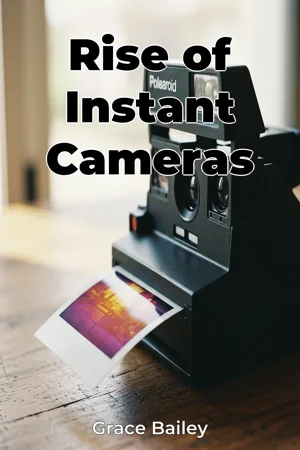
Ever wondered how a photograph could materialize in mere minutes, a tangible memory instantly in your grasp? "Rise of Instant Cameras" delves into the captivating story of instant photography and its profound impact on our visual culture. This book examines not only the technological innovations that made instant photography possible but also its widespread social and artistic implications. We will explore two key themes: first, the technical ingenuity behind instant cameras, from Edwin Land's initial vision to the chemical processes that brought instant film to life; and second, the democratization of photography that instant cameras enabled, shifting image-making from a specialized skill to an accessible pastime. These themes are crucial because they reveal how technology reshapes our relationship with memory, creativity, and self-expression. To understand the rise of instant photography, it’s important to consider the historical context. Before Polaroid, photography required specialized equipment, darkroom skills, and considerable time. The introduction of instant cameras disrupted this paradigm, offering immediate gratification and simplifying the photographic process. A basic understanding of chemical reactions and optics will enhance the reader's appreciation of the technological leaps involved. The central argument of “Rise of Instant Cameras” posits that instant photography was more than a technological novelty; it was a cultural phenomenon that democratized image creation and altered the way people documented and shared their lives. This argument is important because it challenges the conventional narrative of photographic history, highlighting the significance of a technology often dismissed as a passing fad. The book is structured to provide a comprehensive history and analysis. It begins by introducing the core concepts of instant photography and the key players involved in its development. The narrative then unfolds in three major sections. The first section examines the technological breakthroughs, detailing Land's initial experiments and the evolution of instant film chemistry. The second section explores the social impact of instant cameras, analyzing how they influenced family photography, artistic expression, and advertising. The third section considers the digital disruption and the later revival of instant photography in the 21st century. It concludes by reflecting on the enduring legacy of instant photography and its continued relevance in a digital age. The book draws upon a variety of sources, including archival materials from the Polaroid Corporation, scientific publications detailing the chemical processes involved in instant film development, and sociological studies examining the impact of photography on social practices. Interviews with photographers, engineers, and cultural commentators provide firsthand accounts and diverse perspectives. This book intersects with several other fields of study. It connects to the history of technology by examining the innovation and diffusion of a disruptive technology. It relates to media studies by analyzing the impact of instant photography on visual culture and communication. And, it ties into art history by exploring the use of instant photography as a medium for artistic expression. "Rise of Instant Cameras" adopts a balanced approach, blending technical details with cultural analysis. The writing style is accessible and engaging, aiming to inform and inspire readers from diverse backgrounds. The intended audience includes photography enthusiasts, technology buffs, students of media and cultural studies, and anyone interested in the history of visual communication. This book provides a valuable perspective on a pivotal moment in the history of photography and its lasting impact on how we see and remember the world. In line with non-fiction conventions, this book meticulously documents its sources and presents a well-supported narrative. Its scope focuses specifically on the history and impact of instant cameras, with a deliberate exclusion of detailed technical manuals for camera repair or film production. The book’s insights have practical applications for understanding the dynamics of technological innovation, the social impact of media technologies, and the evolving relationship between humans and machines. Finally, “Rise of Instant Cameras” addresses the debate surrounding the artistic merit of instant photography, considering arguments for and against its recognition as a legitimate art form and its place in the broader history of photographic practices.
Ever wondered how a photograph could materialize in mere minutes, a tangible memory instantly in your grasp? "Rise of Instant Cameras" delves into the captivating story of instant photography and its profound impact on our visual culture. This book examines not only the technological innovations that made instant photography possible but also its widespread social and artistic implications. We will explore two key themes: first, the technical ingenuity behind instant cameras, from Edwin Land's initial vision to the chemical processes that brought instant film to life; and second, the democratization of photography that instant cameras enabled, shifting image-making from a specialized skill to an accessible pastime. These themes are crucial because they reveal how technology reshapes our relationship with memory, creativity, and self-expression. To understand the rise of instant photography, it’s important to consider the historical context. Before Polaroid, photography required specialized equipment, darkroom skills, and considerable time. The introduction of instant cameras disrupted this paradigm, offering immediate gratification and simplifying the photographic process. A basic understanding of chemical reactions and optics will enhance the reader's appreciation of the technological leaps involved. The central argument of “Rise of Instant Cameras” posits that instant photography was more than a technological novelty; it was a cultural phenomenon that democratized image creation and altered the way people documented and shared their lives. This argument is important because it challenges the conventional narrative of photographic history, highlighting the significance of a technology often dismissed as a passing fad. The book is structured to provide a comprehensive history and analysis. It begins by introducing the core concepts of instant photography and the key players involved in its development. The narrative then unfolds in three major sections. The first section examines the technological breakthroughs, detailing Land's initial experiments and the evolution of instant film chemistry. The second section explores the social impact of instant cameras, analyzing how they influenced family photography, artistic expression, and advertising. The third section considers the digital disruption and the later revival of instant photography in the 21st century. It concludes by reflecting on the enduring legacy of instant photography and its continued relevance in a digital age. The book draws upon a variety of sources, including archival materials from the Polaroid Corporation, scientific publications detailing the chemical processes involved in instant film development, and sociological studies examining the impact of photography on social practices. Interviews with photographers, engineers, and cultural commentators provide firsthand accounts and diverse perspectives. This book intersects with several other fields of study. It connects to the history of technology by examining the innovation and diffusion of a disruptive technology. It relates to media studies by analyzing the impact of instant photography on visual culture and communication. And, it ties into art history by exploring the use of instant photography as a medium for artistic expression. "Rise of Instant Cameras" adopts a balanced approach, blending technical details with cultural analysis. The writing style is accessible and engaging, aiming to inform and inspire readers from diverse backgrounds. The intended audience includes photography enthusiasts, technology buffs, students of media and cultural studies, and anyone interested in the history of visual communication. This book provides a valuable perspective on a pivotal moment in the history of photography and its lasting impact on how we see and remember the world. In line with non-fiction conventions, this book meticulously documents its sources and presents a well-supported narrative. Its scope focuses specifically on the history and impact of instant cameras, with a deliberate exclusion of detailed technical manuals for camera repair or film production. The book’s insights have practical applications for understanding the dynamics of technological innovation, the social impact of media technologies, and the evolving relationship between humans and machines. Finally, “Rise of Instant Cameras” addresses the debate surrounding the artistic merit of instant photography, considering arguments for and against its recognition as a legitimate art form and its place in the broader history of photographic practices.
"Rise of Instant Cameras" explores the captivating history and cultural impact of instant photography. Before instant cameras, photography demanded specialized skills and equipment. This book highlights how instant photography democratized the medium, making image creation accessible to everyone. The book delves into the ingenious technology behind instant cameras, from Edwin Land's pioneering vision to the complex film chemistry that allowed photographs to develop in minutes. Instant cameras didn't just change *how* we took pictures; they transformed *why*, altering how people documented and shared their lives. The book unveils how instant photography became a cultural phenomenon, influencing family photography, art, and advertising. Structured chronologically, the book begins with the core concepts and key figures, then progresses through technological breakthroughs, its social impact, and its resurgence in the digital age. By blending technical details with compelling cultural analysis, "Rise of Instant Cameras" offers a valuable perspective on a pivotal moment in the history of technology and its enduring legacy.
Book Details
ISBN
9788235218452
Publisher
Publifye AS
Your Licenses
You don't own any licenses for this book
Purchase a license below to unlock this book and download the EPUB.
Purchase License
Select a tier to unlock this book
Need bulk licensing?
Contact us for enterprise agreements.