
About This Book
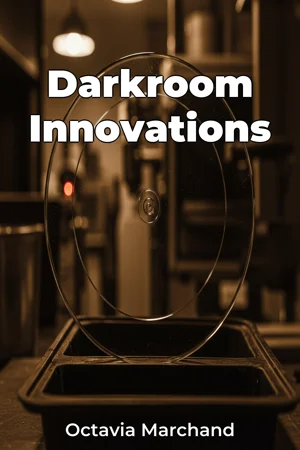
Have you ever wondered how photographs existed before smartphones and digital cameras? "Darkroom Innovations" unveils the captivating history of photography's early chemical processes, a world of meticulous techniques and groundbreaking discoveries that laid the foundation for the images we capture today. This book explores the intricate relationship between chemistry, technology, and artistic vision that defined the pre-digital photographic era. We will delve into the heart of two crucial elements: the creation of light-sensitive materials and the development of techniques for image development and printing. Understanding these is important because they reveal the ingenuity involved in capturing and preserving images before digital technology simplified the process. Moreover, it highlights the evolution of visual artistry and its dependence on scientific advancement. The book provides a historical backdrop, tracing the origins of photography from the camera obscura to the pioneering work of figures like Nicéphore Niépce, Louis Daguerre, and William Henry Fox Talbot. No prior knowledge is required; we will explain the necessary scientific principles in an accessible manner. The central argument of "Darkroom Innovations" is that the chemical processes of early photography were not merely technical steps but represented a creative dialogue between scientists and artists, resulting in innovation that continues to influence image-making today. We aim to demonstrate that an understanding of these early techniques provides a valuable perspective on the art and science of photography. The book begins by introducing the fundamental chemical reactions involved in early photography, explaining how silver halides react to light and how latent images are formed. We will explore the evolution of photographic processes, dedicating chapters to the daguerreotype, calotype, and wet collodion processes. For each process, we will detail the chemical formulas, equipment, and techniques required. Next, the book examines the advancements in printing methods of early processes, covering techniques like albumen prints, salt prints, and carbon prints. It will culminate by showcasing the lasting impact of early photographic techniques on contemporary photography and art. The book relies on a combination of primary sources, including historical manuals, scientific papers, and photographic examples from the period, as well as secondary scholarly research. We will also analyze the patents and technical diagrams to further enhance the reader's understanding. "Darkroom Innovations" connects to multiple fields, including: the history of science through the chemical processes at play, art history where the impact of these techniques is apparent, and materials science which played an important role in the advancement of the processes. These connections enrich the book's exploration of photography's evolution. This book offers a unique perspective by emphasizing the experimental nature of early photography. It highlights the trial-and-error approach of the pioneers and their constant pursuit of improved image quality and permanence. The book is written in an accessible style, balancing technical detail with engaging storytelling. It aims to be accurate and informative while remaining accessible to a broad audience. The target audience includes photography enthusiasts, students of photography, art historians, and anyone interested in the history of science and technology. It will be valuable to those who wish to gain a deeper understanding of the roots of modern photography. As a book on photography and its history, "Darkroom Innovations" includes numerous visual examples of early photographs. It also provides technical diagrams and illustrations to aid in understanding of the chemical processes. The book's scope is limited to the pre-digital era of photography, focusing primarily on chemical-based processes. It does not cover digital photography or contemporary photographic techniques. The knowledge gained from this book can be applied practically by contemporary photographers who wish to experiment with alternative processes or gain a better appreciation of photographic history. Artists interested in mixed media, history of photography, or artistic creation can apply the information in this book. The book will discuss the debates surrounding the invention of photography and the competing claims of different inventors. This exploration acknowledges the intellectual and commercial interests that shaped the early development of photography.
Have you ever wondered how photographs existed before smartphones and digital cameras? "Darkroom Innovations" unveils the captivating history of photography's early chemical processes, a world of meticulous techniques and groundbreaking discoveries that laid the foundation for the images we capture today. This book explores the intricate relationship between chemistry, technology, and artistic vision that defined the pre-digital photographic era. We will delve into the heart of two crucial elements: the creation of light-sensitive materials and the development of techniques for image development and printing. Understanding these is important because they reveal the ingenuity involved in capturing and preserving images before digital technology simplified the process. Moreover, it highlights the evolution of visual artistry and its dependence on scientific advancement. The book provides a historical backdrop, tracing the origins of photography from the camera obscura to the pioneering work of figures like Nicéphore Niépce, Louis Daguerre, and William Henry Fox Talbot. No prior knowledge is required; we will explain the necessary scientific principles in an accessible manner. The central argument of "Darkroom Innovations" is that the chemical processes of early photography were not merely technical steps but represented a creative dialogue between scientists and artists, resulting in innovation that continues to influence image-making today. We aim to demonstrate that an understanding of these early techniques provides a valuable perspective on the art and science of photography. The book begins by introducing the fundamental chemical reactions involved in early photography, explaining how silver halides react to light and how latent images are formed. We will explore the evolution of photographic processes, dedicating chapters to the daguerreotype, calotype, and wet collodion processes. For each process, we will detail the chemical formulas, equipment, and techniques required. Next, the book examines the advancements in printing methods of early processes, covering techniques like albumen prints, salt prints, and carbon prints. It will culminate by showcasing the lasting impact of early photographic techniques on contemporary photography and art. The book relies on a combination of primary sources, including historical manuals, scientific papers, and photographic examples from the period, as well as secondary scholarly research. We will also analyze the patents and technical diagrams to further enhance the reader's understanding. "Darkroom Innovations" connects to multiple fields, including: the history of science through the chemical processes at play, art history where the impact of these techniques is apparent, and materials science which played an important role in the advancement of the processes. These connections enrich the book's exploration of photography's evolution. This book offers a unique perspective by emphasizing the experimental nature of early photography. It highlights the trial-and-error approach of the pioneers and their constant pursuit of improved image quality and permanence. The book is written in an accessible style, balancing technical detail with engaging storytelling. It aims to be accurate and informative while remaining accessible to a broad audience. The target audience includes photography enthusiasts, students of photography, art historians, and anyone interested in the history of science and technology. It will be valuable to those who wish to gain a deeper understanding of the roots of modern photography. As a book on photography and its history, "Darkroom Innovations" includes numerous visual examples of early photographs. It also provides technical diagrams and illustrations to aid in understanding of the chemical processes. The book's scope is limited to the pre-digital era of photography, focusing primarily on chemical-based processes. It does not cover digital photography or contemporary photographic techniques. The knowledge gained from this book can be applied practically by contemporary photographers who wish to experiment with alternative processes or gain a better appreciation of photographic history. Artists interested in mixed media, history of photography, or artistic creation can apply the information in this book. The book will discuss the debates surrounding the invention of photography and the competing claims of different inventors. This exploration acknowledges the intellectual and commercial interests that shaped the early development of photography.
"Darkroom Innovations" explores the fascinating history of pre-digital photography, revealing the chemical processes and techniques that paved the way for modern image-making. Delving into early photography, it highlights the ingenuity required to capture and preserve images before the advent of digital technology. Learn about the creation of light-sensitive materials and the development of image processing, revealing how scientific advancement influenced visual artistry. Did you know that early photographic processes like the daguerreotype, calotype, and wet collodion involved meticulous chemical formulas and specialized equipment? Understanding these methods provides a fresh perspective on both the art and science of photography. This book uniquely emphasizes the experimental nature of early photography, showcasing the pioneers' trial-and-error approach to improving image quality. It explores the fundamental chemical reactions involved in early photography, showing how silver halides react to light. Each chapter is dedicated to specific processes, detailing the chemical formulas, equipment, and techniques involved. The book concludes by highlighting the lasting impact of these early techniques on contemporary photography and art, connecting fields like the history of science, art history, and materials science.
Book Details
ISBN
9788235218421
Publisher
Publifye AS
Your Licenses
You don't own any licenses for this book
Purchase a license below to unlock this book and download the EPUB.
Purchase License
Select a tier to unlock this book
Need bulk licensing?
Contact us for enterprise agreements.