
About This Book
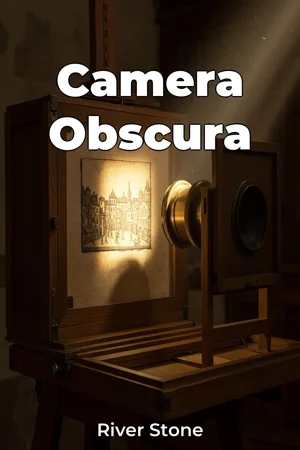
Was photography truly invented in the 19th century, or did its genesis lie far earlier in the realms of optics and observation? "Camera Obscura" delves into the captivating prehistory of photography, tracing the evolution of image creation and light manipulation from ancient times to the cusp of modern photographic processes. This book is crucial for anyone seeking a deeper understanding of photography's roots, revealing how centuries of scientific inquiry and artistic experimentation paved the way for the invention of the camera. At its core, this book explores three fundamental themes: the camera obscura as a foundational optical device, the development of light-sensitive materials, and the evolving human desire to capture and replicate reality. The camera obscura, in its various forms, stands as the central thread, demonstrating humanity's long-held fascination with projecting images. The gradual discovery and application of substances that react to light is another vital element, setting the stage for capturing these projected images permanently. Finally, the persistent drive to mirror the world around us, whether for scientific documentation, artistic expression, or simply the human need to record experience, underlies all these developments. To fully appreciate the significance of these themes, the book provides the necessary historical context, examining the philosophical and scientific milieu of each era. From the ancient Greeks' observations of light to the Renaissance artists' use of the camera obscura as an aid to drawing, to the alchemists' investigations of light-sensitive compounds, each step is contextualized within its respective time. While no prior knowledge of photography or physics is strictly required, an interest in history, art, and science will enhance the reading experience. The central argument of "Camera Obscura" is that photography wasn't a sudden invention but the culmination of centuries of incremental discoveries and innovations in optics, chemistry, and artistic pursuit. It challenges the traditional narrative of photography by illustrating its deep roots in the pre-photographic era. This argument is significant because it provides a more nuanced and complete understanding of photography's place in the broader history of technology and visual culture. The book unfolds in a structured manner, beginning with an exploration of early optical theories and the first documented uses of the camera obscura. It then traces the development of this device through the Middle Ages and the Renaissance, highlighting its impact on art, science, and architecture. The narrative continues by examining the discovery and experimentation with light-sensitive materials in the 17th and 18th centuries, focusing on figures like Johann Heinrich Schulze and Carl Wilhelm Scheele. Finally, the book culminates by connecting these earlier developments to the invention of photography in the 19th century, demonstrating how figures like Nicéphore Niépce and Louis Daguerre built upon a rich legacy of prior art and science. The claims presented in "Camera Obscura" are supported by a wealth of historical evidence, including original texts, diagrams, and illustrations from the periods under discussion. The book draws upon primary sources such as the writings of Aristotle, Alhazen, Leonardo da Vinci, and early scientific journals, alongside analysis of extant examples of early camera obscuras and related equipment. Moreover, the book examines the topic through other areas of study such as art history and the history of science. Art allows us to see the practical uses of these devices and science provides an understanding of the fundamentals of light and optics. Presenting the material through these differing lenses enriches the reader's understanding of the evolution of photography. "Camera Obscura" offers a fresh perspective on the history of photography by focusing on the often-overlooked contributions of early scientists, artists, showing how diverse fields combined and contributed to the final invention of photography. Written in a clear and accessible style, "Camera Obscura" avoids technical jargon and presents complex ideas in an easily understandable manner, appealing to a broad readership. The target audience includes photography enthusiasts, history buffs, art historians, and anyone interested in the intersection of science, art, and technology. The book will be valuable to them because it provides a comprehensive and insightful account of the prehistory of photography, shedding new light on a familiar subject. As a work of non-fiction history, "Camera Obscura" adheres to the genre's conventions of accuracy, objectivity, and thorough research. It strives to present a balanced and nuanced account of the past, acknowledging the complexities and ambiguities of historical evidence. The scope of the book is limited to the prehistory of photography, ending with the point at which photography emerges as a distinct technology. It does not delve into the subsequent history of photography but focuses on the long and fascinating journey that led to its invention. The information presented in "Camera Obscura" has real-world applications for anyone interested in understanding the evolution of visual media and the interplay of science, technology, and culture and opens doors to new perspectives of discovery and innovation. While the general principles of the camera obscura are well-established, debates continue among scholars regarding the precise extent to which certain artists relied upon it and the interpretation of early written texts.
Was photography truly invented in the 19th century, or did its genesis lie far earlier in the realms of optics and observation? "Camera Obscura" delves into the captivating prehistory of photography, tracing the evolution of image creation and light manipulation from ancient times to the cusp of modern photographic processes. This book is crucial for anyone seeking a deeper understanding of photography's roots, revealing how centuries of scientific inquiry and artistic experimentation paved the way for the invention of the camera. At its core, this book explores three fundamental themes: the camera obscura as a foundational optical device, the development of light-sensitive materials, and the evolving human desire to capture and replicate reality. The camera obscura, in its various forms, stands as the central thread, demonstrating humanity's long-held fascination with projecting images. The gradual discovery and application of substances that react to light is another vital element, setting the stage for capturing these projected images permanently. Finally, the persistent drive to mirror the world around us, whether for scientific documentation, artistic expression, or simply the human need to record experience, underlies all these developments. To fully appreciate the significance of these themes, the book provides the necessary historical context, examining the philosophical and scientific milieu of each era. From the ancient Greeks' observations of light to the Renaissance artists' use of the camera obscura as an aid to drawing, to the alchemists' investigations of light-sensitive compounds, each step is contextualized within its respective time. While no prior knowledge of photography or physics is strictly required, an interest in history, art, and science will enhance the reading experience. The central argument of "Camera Obscura" is that photography wasn't a sudden invention but the culmination of centuries of incremental discoveries and innovations in optics, chemistry, and artistic pursuit. It challenges the traditional narrative of photography by illustrating its deep roots in the pre-photographic era. This argument is significant because it provides a more nuanced and complete understanding of photography's place in the broader history of technology and visual culture. The book unfolds in a structured manner, beginning with an exploration of early optical theories and the first documented uses of the camera obscura. It then traces the development of this device through the Middle Ages and the Renaissance, highlighting its impact on art, science, and architecture. The narrative continues by examining the discovery and experimentation with light-sensitive materials in the 17th and 18th centuries, focusing on figures like Johann Heinrich Schulze and Carl Wilhelm Scheele. Finally, the book culminates by connecting these earlier developments to the invention of photography in the 19th century, demonstrating how figures like Nicéphore Niépce and Louis Daguerre built upon a rich legacy of prior art and science. The claims presented in "Camera Obscura" are supported by a wealth of historical evidence, including original texts, diagrams, and illustrations from the periods under discussion. The book draws upon primary sources such as the writings of Aristotle, Alhazen, Leonardo da Vinci, and early scientific journals, alongside analysis of extant examples of early camera obscuras and related equipment. Moreover, the book examines the topic through other areas of study such as art history and the history of science. Art allows us to see the practical uses of these devices and science provides an understanding of the fundamentals of light and optics. Presenting the material through these differing lenses enriches the reader's understanding of the evolution of photography. "Camera Obscura" offers a fresh perspective on the history of photography by focusing on the often-overlooked contributions of early scientists, artists, showing how diverse fields combined and contributed to the final invention of photography. Written in a clear and accessible style, "Camera Obscura" avoids technical jargon and presents complex ideas in an easily understandable manner, appealing to a broad readership. The target audience includes photography enthusiasts, history buffs, art historians, and anyone interested in the intersection of science, art, and technology. The book will be valuable to them because it provides a comprehensive and insightful account of the prehistory of photography, shedding new light on a familiar subject. As a work of non-fiction history, "Camera Obscura" adheres to the genre's conventions of accuracy, objectivity, and thorough research. It strives to present a balanced and nuanced account of the past, acknowledging the complexities and ambiguities of historical evidence. The scope of the book is limited to the prehistory of photography, ending with the point at which photography emerges as a distinct technology. It does not delve into the subsequent history of photography but focuses on the long and fascinating journey that led to its invention. The information presented in "Camera Obscura" has real-world applications for anyone interested in understanding the evolution of visual media and the interplay of science, technology, and culture and opens doors to new perspectives of discovery and innovation. While the general principles of the camera obscura are well-established, debates continue among scholars regarding the precise extent to which certain artists relied upon it and the interpretation of early written texts.
"Camera Obscura" explores the captivating prehistory of photography, arguing that its invention in the 19th century was the culmination of centuries of optical, chemical, and artistic developments. The book illuminates the evolution of image creation and light manipulation, highlighting the crucial role of the camera obscura as a foundational optical device. It further examines the development of light-sensitive materials and humanity's persistent desire to capture reality, revealing how these elements intertwined to pave the way for modern photography. The study presents historical context, examining the philosophical and scientific environment of each era, from the ancient Greeks to Renaissance artists using the camera obscura as a drawing aid. It traces the evolution of the camera obscura through the Middle Ages and the Renaissance, while examining the early findings of light-sensitive materials. By focusing on the often-overlooked contributions of early scientists and artists, the book provides a fresh perspective on the history of photography, connecting these developments to the work of figures like Nicéphore Niépce and Louis Daguerre.
Book Details
ISBN
9788235218384
Publisher
Publifye AS
Your Licenses
You don't own any licenses for this book
Purchase a license below to unlock this book and download the EPUB.
Purchase License
Select a tier to unlock this book
Need bulk licensing?
Contact us for enterprise agreements.