
About This Book
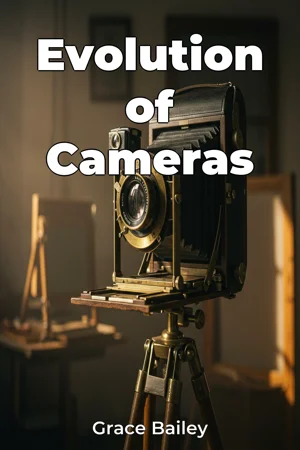
Have you ever wondered how a simple pinhole could evolve into the sophisticated digital imaging systems we use daily? "Evolution of Cameras" unveils the fascinating journey of image capture, tracing the camera's transformation from its rudimentary origins to its modern, high-tech form. This book delves into the core principles driving this evolution: optical science, mechanical engineering, and digital technology. Understanding this trajectory is crucial for anyone involved in photography, technology development, or simply interested in the history of visual culture. We begin by establishing a historical context, examining the scientific discoveries that paved the way for the camera. From the early observations of light and optics by ancient scholars to the development of the camera obscura during the Renaissance, we lay the groundwork for understanding the subsequent innovations. Readers will gain a solid understanding of basic optical principles before advancing to more complex topics. The book’s central argument is that the evolution of the camera is not merely a technological progression but a reflection of our evolving relationship with visual representation. Each stage in camera development has been driven by a desire to more accurately, efficiently, or creatively capture the world around us. This pursuit has had profound effects on art, science, and culture. "Evolution of Cameras" is structured chronologically and thematically. The first section introduces the fundamental concepts, including optics, perspective, and early image-capturing techniques. The second section focuses on the mechanical era, covering the invention of photography, the development of various film formats, and the rise of iconic camera designs. A key point in this section is understanding the interplay between technological constraints and creative expression. The third section explores the digital revolution. We examine the development of digital sensors, image processing algorithms, and the impact of digital photography on various fields. The book culminates by looking at current trends in camera technology, such as computational photography and artificial intelligence integration, and their potential implications for the future. This book draws upon a wealth of evidence, including historical documents, technical specifications, and case studies of significant camera designs. We analyze the patents and publications of key inventors and companies to reveal the technical breakthroughs that shaped the industry. Furthermore, we incorporate photographic examples to illustrate the capabilities and limitations of different camera technologies throughout history. "Evolution of Cameras" connects to several other fields. Its exploration of optics links it to physics and materials science. The analysis of camera designs connects to mechanical engineering and industrial design. Finally, its discussion of digital imaging connects to computer science and artificial intelligence. These interdisciplinary connections enrich the book's argument by demonstrating how the evolution of cameras has been influenced by and has influenced other areas of knowledge. This book offers a unique perspective by emphasizing the convergence of scientific principles, engineering ingenuity, and artistic vision that has driven the development of cameras. It moves beyond a simple chronological account to provide a nuanced understanding of the forces shaping the field. Written in a clear and accessible style, "Evolution of Cameras" avoids technical jargon whenever possible, making it suitable for a broad audience. The intended readership includes photography enthusiasts, students of media and technology, and anyone curious about the history of visual culture. This book provides valuable insights into the technology that has transformed how we see and document the world. The scope of "Evolution of Cameras" is intentionally broad, covering the major milestones in camera development from the camera obscura to modern digital systems. However, it does not delve into highly specialized topics such as underwater photography or aerial imaging systems, allowing for a more focused narrative. The information in this book has real-world applications for photographers, designers, and engineers. By understanding the limitations and possibilities of different camera technologies, readers can make informed decisions about their equipment and creative practice. While the underlying physics of photography are well-established, there are ongoing debates about the relative merits of different digital image processing techniques. This book touches upon these controversies, presenting different viewpoints. "Evolution of Cameras" promises a journey through the technological and artistic landscape of image capture, offering readers a comprehensive understanding of how cameras have shaped our world.
Have you ever wondered how a simple pinhole could evolve into the sophisticated digital imaging systems we use daily? "Evolution of Cameras" unveils the fascinating journey of image capture, tracing the camera's transformation from its rudimentary origins to its modern, high-tech form. This book delves into the core principles driving this evolution: optical science, mechanical engineering, and digital technology. Understanding this trajectory is crucial for anyone involved in photography, technology development, or simply interested in the history of visual culture. We begin by establishing a historical context, examining the scientific discoveries that paved the way for the camera. From the early observations of light and optics by ancient scholars to the development of the camera obscura during the Renaissance, we lay the groundwork for understanding the subsequent innovations. Readers will gain a solid understanding of basic optical principles before advancing to more complex topics. The book’s central argument is that the evolution of the camera is not merely a technological progression but a reflection of our evolving relationship with visual representation. Each stage in camera development has been driven by a desire to more accurately, efficiently, or creatively capture the world around us. This pursuit has had profound effects on art, science, and culture. "Evolution of Cameras" is structured chronologically and thematically. The first section introduces the fundamental concepts, including optics, perspective, and early image-capturing techniques. The second section focuses on the mechanical era, covering the invention of photography, the development of various film formats, and the rise of iconic camera designs. A key point in this section is understanding the interplay between technological constraints and creative expression. The third section explores the digital revolution. We examine the development of digital sensors, image processing algorithms, and the impact of digital photography on various fields. The book culminates by looking at current trends in camera technology, such as computational photography and artificial intelligence integration, and their potential implications for the future. This book draws upon a wealth of evidence, including historical documents, technical specifications, and case studies of significant camera designs. We analyze the patents and publications of key inventors and companies to reveal the technical breakthroughs that shaped the industry. Furthermore, we incorporate photographic examples to illustrate the capabilities and limitations of different camera technologies throughout history. "Evolution of Cameras" connects to several other fields. Its exploration of optics links it to physics and materials science. The analysis of camera designs connects to mechanical engineering and industrial design. Finally, its discussion of digital imaging connects to computer science and artificial intelligence. These interdisciplinary connections enrich the book's argument by demonstrating how the evolution of cameras has been influenced by and has influenced other areas of knowledge. This book offers a unique perspective by emphasizing the convergence of scientific principles, engineering ingenuity, and artistic vision that has driven the development of cameras. It moves beyond a simple chronological account to provide a nuanced understanding of the forces shaping the field. Written in a clear and accessible style, "Evolution of Cameras" avoids technical jargon whenever possible, making it suitable for a broad audience. The intended readership includes photography enthusiasts, students of media and technology, and anyone curious about the history of visual culture. This book provides valuable insights into the technology that has transformed how we see and document the world. The scope of "Evolution of Cameras" is intentionally broad, covering the major milestones in camera development from the camera obscura to modern digital systems. However, it does not delve into highly specialized topics such as underwater photography or aerial imaging systems, allowing for a more focused narrative. The information in this book has real-world applications for photographers, designers, and engineers. By understanding the limitations and possibilities of different camera technologies, readers can make informed decisions about their equipment and creative practice. While the underlying physics of photography are well-established, there are ongoing debates about the relative merits of different digital image processing techniques. This book touches upon these controversies, presenting different viewpoints. "Evolution of Cameras" promises a journey through the technological and artistic landscape of image capture, offering readers a comprehensive understanding of how cameras have shaped our world.
"Evolution of Cameras" explores the captivating history of photography, detailing the progression from rudimentary devices to today's advanced digital imaging systems. This journey highlights how optical science, mechanical engineering, and digital technology converged to revolutionize visual culture. Early innovations, like the camera obscura, demonstrated principles of light and perspective that laid the groundwork for future advancements. The book uniquely emphasizes that the evolution of cameras reflects our changing relationship with visual representation, driven by a constant desire to capture the world more accurately and creatively. The book chronologically and thematically traces key developments. It begins with fundamental concepts, moves through the mechanical era and the invention of film formats, and culminates in the digital revolution. A key insight is the interplay between technological constraints and artistic expression. The digital revolution section examines the development of digital sensors and image processing algorithms. The book concludes by considering the future impact of computational photography and artificial intelligence, providing a comprehensive understanding of the technological forces shaping photography.
Book Details
ISBN
9788235218360
Publisher
Publifye AS
Your Licenses
You don't own any licenses for this book
Purchase a license below to unlock this book and download the EPUB.
Purchase License
Select a tier to unlock this book
Need bulk licensing?
Contact us for enterprise agreements.