
About This Book
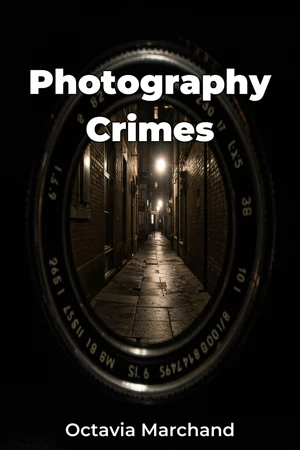
Can a photograph truly lie? This book, "Photography Crimes," delves into the unsettling truth: that the art and science of photography, while celebrated for its ability to capture reality, has a darker side, one intimately entwined with crime, deception, and exploitation. We explore the complex interplay between photography and the criminal world, revealing how a seemingly innocuous medium has been weaponized for illicit purposes. Photography's dual nature, both documentary and manipulative, forms the core of our investigation. We examine how photographic evidence, once considered irrefutable, can be staged, altered, or misinterpreted, leading to wrongful convictions and miscarriages of justice. Simultaneously, we confront the criminal applications of photography itself, from blackmail and identity theft facilitated by readily available images to the proliferation of illegal surveillance enabled by increasingly sophisticated technology. The rise of digital imaging and its ease of manipulation demand a critical re-evaluation of the medium's role in both perpetrating and uncovering crime. This book navigates the ethical and legal battlegrounds where photography intersects with criminal activity. We begin by establishing a historical context, tracing the evolution of photography from its early use in documenting crime scenes to its modern applications in digital forensics and surveillance. Key concepts like image authentication, metadata analysis, and the psychology of visual perception are introduced to equip the reader with the necessary tools to critically analyze photographic evidence. The central argument of "Photography Crimes" asserts that understanding the potential for misuse within photography is crucial for both combating crime and safeguarding individual liberties. The book is structured around three major themes: the manipulation of photographic evidence, the use of photography as a tool for committing crimes, and the ethical considerations surrounding surveillance and privacy. Each section features case studies, expert interviews, and legal analyses to illustrate the complexities of these issues. Supporting this exploration is a wealth of meticulously researched material, including court records, forensic reports, and academic studies in criminology, media studies, and law. The book draws upon a variety of sources, including the analysis of famous criminal cases, the examination of surveillance technology, and the exploration of evolving legal frameworks to provide a comprehensive and compelling narrative. "Photography Crimes" connects to diverse fields such as law, sociology, and technology, exploring how these disciplines intersect in the context of photographic crime. It offers a unique perspective by merging technical analysis with legal and ethical considerations. The writing style is accessible and engaging, avoiding jargon and focusing on clear explanations of complex concepts. This book is tailored for a broad audience, including photography enthusiasts, legal professionals, students of criminology, and anyone interested in the societal impact of technology. We highlight the growing importance of visual literacy in an age saturated with images, enabling readers to become more informed and discerning consumers and creators of photographic media. Scope and limitations are consciously defined. While “Photography Crimes” aims to provide a broad overview, it does not delve into the technical specifics required for professional forensic analysts. Instead, it focuses on providing a comprehensive understanding of the issues for a general yet informed readership. Real-world applications focus on understanding everyday implications of the subjects covered. From providing readers with the ability to identify doctored images, to the understanding of their rights in public spaces where photography is permitted, to the impact on social media and the role of visual misinformation, "Photography Crimes" furnishes practical knowledge for navigating an image-heavy world. The controversies surrounding facial recognition technology and the use of photographic evidence in court are addressed, acknowledging the ongoing debates and differing viewpoints within the field. By presenting multiple perspectives, the book encourages critical thinking and informed decision-making.
Can a photograph truly lie? This book, "Photography Crimes," delves into the unsettling truth: that the art and science of photography, while celebrated for its ability to capture reality, has a darker side, one intimately entwined with crime, deception, and exploitation. We explore the complex interplay between photography and the criminal world, revealing how a seemingly innocuous medium has been weaponized for illicit purposes. Photography's dual nature, both documentary and manipulative, forms the core of our investigation. We examine how photographic evidence, once considered irrefutable, can be staged, altered, or misinterpreted, leading to wrongful convictions and miscarriages of justice. Simultaneously, we confront the criminal applications of photography itself, from blackmail and identity theft facilitated by readily available images to the proliferation of illegal surveillance enabled by increasingly sophisticated technology. The rise of digital imaging and its ease of manipulation demand a critical re-evaluation of the medium's role in both perpetrating and uncovering crime. This book navigates the ethical and legal battlegrounds where photography intersects with criminal activity. We begin by establishing a historical context, tracing the evolution of photography from its early use in documenting crime scenes to its modern applications in digital forensics and surveillance. Key concepts like image authentication, metadata analysis, and the psychology of visual perception are introduced to equip the reader with the necessary tools to critically analyze photographic evidence. The central argument of "Photography Crimes" asserts that understanding the potential for misuse within photography is crucial for both combating crime and safeguarding individual liberties. The book is structured around three major themes: the manipulation of photographic evidence, the use of photography as a tool for committing crimes, and the ethical considerations surrounding surveillance and privacy. Each section features case studies, expert interviews, and legal analyses to illustrate the complexities of these issues. Supporting this exploration is a wealth of meticulously researched material, including court records, forensic reports, and academic studies in criminology, media studies, and law. The book draws upon a variety of sources, including the analysis of famous criminal cases, the examination of surveillance technology, and the exploration of evolving legal frameworks to provide a comprehensive and compelling narrative. "Photography Crimes" connects to diverse fields such as law, sociology, and technology, exploring how these disciplines intersect in the context of photographic crime. It offers a unique perspective by merging technical analysis with legal and ethical considerations. The writing style is accessible and engaging, avoiding jargon and focusing on clear explanations of complex concepts. This book is tailored for a broad audience, including photography enthusiasts, legal professionals, students of criminology, and anyone interested in the societal impact of technology. We highlight the growing importance of visual literacy in an age saturated with images, enabling readers to become more informed and discerning consumers and creators of photographic media. Scope and limitations are consciously defined. While “Photography Crimes” aims to provide a broad overview, it does not delve into the technical specifics required for professional forensic analysts. Instead, it focuses on providing a comprehensive understanding of the issues for a general yet informed readership. Real-world applications focus on understanding everyday implications of the subjects covered. From providing readers with the ability to identify doctored images, to the understanding of their rights in public spaces where photography is permitted, to the impact on social media and the role of visual misinformation, "Photography Crimes" furnishes practical knowledge for navigating an image-heavy world. The controversies surrounding facial recognition technology and the use of photographic evidence in court are addressed, acknowledging the ongoing debates and differing viewpoints within the field. By presenting multiple perspectives, the book encourages critical thinking and informed decision-making.
"Photography Crimes" explores the unsettling intersection of photography and crime, revealing how this powerful medium, designed to capture reality, can be manipulated for deception and exploitation. The book highlights photography's dual nature, examining instances where photographic evidence has been altered, leading to wrongful convictions, and how readily available images are used in crimes like blackmail and identity theft. It emphasizes the critical need to understand the potential for misuse within photography to combat crime and protect individual liberties. The book progresses by first establishing a historical context, tracing photography's evolution from documenting crime scenes to modern digital forensics. It then delves into three major themes: the manipulation of photographic evidence, the use of photography as a tool for committing crimes, and the ethical considerations surrounding surveillance and privacy. Through case studies and legal analyses, "Photography Crimes" provides readers with a comprehensive understanding of the issues, connecting diverse fields like law, sociology, and technology. Ultimately, this book aims to equip a broad audience—from photography enthusiasts to legal professionals—with the visual literacy needed to navigate an image-saturated world. It furnishes practical knowledge for understanding personal rights in public spaces where photography is permitted, and illustrates the impact of photography on social media and the role of visual misinformation.
Book Details
ISBN
9788235218230
Publisher
Publifye AS
Your Licenses
You don't own any licenses for this book
Purchase a license below to unlock this book and download the EPUB.
Purchase License
Select a tier to unlock this book
Need bulk licensing?
Contact us for enterprise agreements.