
About This Book
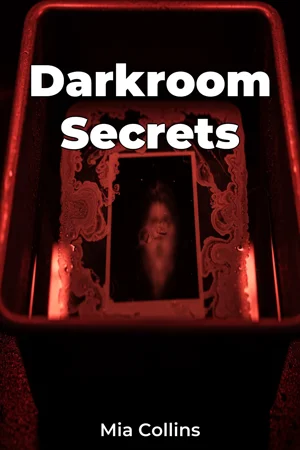
Have you ever wondered what truly happens behind the lens and within the four walls of a photographer's darkroom? "Darkroom Secrets" unveils the hidden world of photography, exploring the manipulations, techniques, and often unseen artistry that transform a simple image into a captivating work of art. This book delves into the core principles of photography, its artistic applications, and the specific techniques used in the darkroom. This book will explore three key areas: manipulation, technique, and artistry. Manipulation, in the context of film photography, refers to the physical and chemical alterations made to negatives and prints to achieve a desired aesthetic. Technique encompasses the mastery of darkroom processes, from exposure and development to dodging and burning. Artistry lies in the creative vision that guides these processes, transforming a technically sound photograph into a compelling piece of visual storytelling. These topics are important because they reveal the full potential of analog photography, demonstrating the artistry of the photographer beyond simply capturing an image. Photography's history is intertwined with darkroom practices. From the earliest daguerreotypes to the rise of photojournalism, the darkroom was the laboratory where images were refined and perfected. Understanding this history provides context for appreciating the techniques that have shaped visual culture. No prior knowledge is strictly required, although a basic understanding of photographic principles, such as aperture, shutter speed, and film development, will enhance the reader's experience. The central argument of "Darkroom Secrets" is that the darkroom is not merely a technical space but a canvas where photographers exercise creative control, shaping reality to align with their artistic vision. This argument is crucial because it challenges the perception of photography as a purely objective medium, highlighting the subjective choices and artistic interventions that influence the final image. The book is structured to guide the reader through the evolution of darkroom techniques. It begins with an introduction to the fundamental principles of film development and printing. The core of the book is dedicated to exploring various darkroom techniques, including dodging and burning, toning, solarization (Sabattier effect), and alternative printing processes. Each technique is examined through historical examples and step-by-step instructions. Finally, the book culminates in a discussion of the ethical considerations surrounding photographic manipulation, encouraging readers to consider the power and responsibility that comes with creative control. The book will present a range of evidence to support its arguments, including historical photographs, technical diagrams, and case studies of renowned photographers. It will also incorporate interviews with contemporary artists who continue to utilize darkroom techniques in their work. It dives deep into the chemical processes inherent in film photography. "Darkroom Secrets" connects to several other fields of study. It touches on the history of science through its exploration of photographic chemistry. It connects to art history through the analysis of influential photographs and artistic movements. It also explores the ethics of visual communication due to an inherent influence of visual manipulation. What sets this book apart is its emphasis on the creative potential of the darkroom. While many books focus on the technical aspects of film development, "Darkroom Secrets" places equal emphasis on the artistic vision that guides the process. This approach encourages photographers to view the darkroom as a space for experimentation and self-expression, rather than simply a technical necessity. The book adopts a conversational yet informative tone, making complex concepts accessible to a wide audience. It balances technical explanations with artistic insights, creating a reading experience that is both educational and inspiring. The target audience for "Darkroom Secrets" includes photography students, amateur photographers seeking to expand their skills, and anyone interested in the history and artistry of photography. The book will be valuable to them because it provides a comprehensive overview of darkroom techniques, inspiring them to explore the creative potential of analog photography. As a photography book, it will contain many illustrative images, diagrams, and charts. It will be organized in a logical fashion and will contain a glossary of terms for quick reference. The book's scope is limited to traditional darkroom techniques, focusing on black and white photography. It does not cover digital photography or digital image manipulation. This limitation allows for a more in-depth exploration of the unique qualities and creative possibilities of analog processes. The information in this book can be applied practically by readers in their own darkroom practice. The step-by-step instructions and technical diagrams will enable them to master various darkroom techniques, from basic printing to more advanced alternative processes. The book addresses the ongoing debate surrounding the ethics of photographic manipulation. It encourages readers to consider the implications of their creative choices, promoting a responsible and ethical approach to image-making.
Have you ever wondered what truly happens behind the lens and within the four walls of a photographer's darkroom? "Darkroom Secrets" unveils the hidden world of photography, exploring the manipulations, techniques, and often unseen artistry that transform a simple image into a captivating work of art. This book delves into the core principles of photography, its artistic applications, and the specific techniques used in the darkroom. This book will explore three key areas: manipulation, technique, and artistry. Manipulation, in the context of film photography, refers to the physical and chemical alterations made to negatives and prints to achieve a desired aesthetic. Technique encompasses the mastery of darkroom processes, from exposure and development to dodging and burning. Artistry lies in the creative vision that guides these processes, transforming a technically sound photograph into a compelling piece of visual storytelling. These topics are important because they reveal the full potential of analog photography, demonstrating the artistry of the photographer beyond simply capturing an image. Photography's history is intertwined with darkroom practices. From the earliest daguerreotypes to the rise of photojournalism, the darkroom was the laboratory where images were refined and perfected. Understanding this history provides context for appreciating the techniques that have shaped visual culture. No prior knowledge is strictly required, although a basic understanding of photographic principles, such as aperture, shutter speed, and film development, will enhance the reader's experience. The central argument of "Darkroom Secrets" is that the darkroom is not merely a technical space but a canvas where photographers exercise creative control, shaping reality to align with their artistic vision. This argument is crucial because it challenges the perception of photography as a purely objective medium, highlighting the subjective choices and artistic interventions that influence the final image. The book is structured to guide the reader through the evolution of darkroom techniques. It begins with an introduction to the fundamental principles of film development and printing. The core of the book is dedicated to exploring various darkroom techniques, including dodging and burning, toning, solarization (Sabattier effect), and alternative printing processes. Each technique is examined through historical examples and step-by-step instructions. Finally, the book culminates in a discussion of the ethical considerations surrounding photographic manipulation, encouraging readers to consider the power and responsibility that comes with creative control. The book will present a range of evidence to support its arguments, including historical photographs, technical diagrams, and case studies of renowned photographers. It will also incorporate interviews with contemporary artists who continue to utilize darkroom techniques in their work. It dives deep into the chemical processes inherent in film photography. "Darkroom Secrets" connects to several other fields of study. It touches on the history of science through its exploration of photographic chemistry. It connects to art history through the analysis of influential photographs and artistic movements. It also explores the ethics of visual communication due to an inherent influence of visual manipulation. What sets this book apart is its emphasis on the creative potential of the darkroom. While many books focus on the technical aspects of film development, "Darkroom Secrets" places equal emphasis on the artistic vision that guides the process. This approach encourages photographers to view the darkroom as a space for experimentation and self-expression, rather than simply a technical necessity. The book adopts a conversational yet informative tone, making complex concepts accessible to a wide audience. It balances technical explanations with artistic insights, creating a reading experience that is both educational and inspiring. The target audience for "Darkroom Secrets" includes photography students, amateur photographers seeking to expand their skills, and anyone interested in the history and artistry of photography. The book will be valuable to them because it provides a comprehensive overview of darkroom techniques, inspiring them to explore the creative potential of analog photography. As a photography book, it will contain many illustrative images, diagrams, and charts. It will be organized in a logical fashion and will contain a glossary of terms for quick reference. The book's scope is limited to traditional darkroom techniques, focusing on black and white photography. It does not cover digital photography or digital image manipulation. This limitation allows for a more in-depth exploration of the unique qualities and creative possibilities of analog processes. The information in this book can be applied practically by readers in their own darkroom practice. The step-by-step instructions and technical diagrams will enable them to master various darkroom techniques, from basic printing to more advanced alternative processes. The book addresses the ongoing debate surrounding the ethics of photographic manipulation. It encourages readers to consider the implications of their creative choices, promoting a responsible and ethical approach to image-making.
"Darkroom Secrets" unveils the captivating world hidden within photography's darkroom, where film photography transforms into artistry through manipulation and technique. It explores how photographers refine images, emphasizing that the darkroom is more than a technical space; it's a canvas for creative control. Did you know that dodging and burning, techniques used to lighten or darken specific areas of a print, were crucial in shaping iconic photographs? The book argues that visual manipulation challenges photography's perception as purely objective, highlighting the artistry involved. The book progresses from fundamental principles of film development and printing to advanced darkroom techniques like toning and solarization. By diving deep into the chemical processes inherent in film photography, the book details photographic printing processes and image manipulation. Each technique is explored through historical examples and step-by-step instructions. The book uniquely balances technical instruction with artistic insights, encouraging photographers to experiment and express themselves, all while considering the ethics of photographic manipulation.
Book Details
ISBN
9788235218223
Publisher
Publifye AS
Your Licenses
You don't own any licenses for this book
Purchase a license below to unlock this book and download the EPUB.
Purchase License
Select a tier to unlock this book
Need bulk licensing?
Contact us for enterprise agreements.