
About This Book
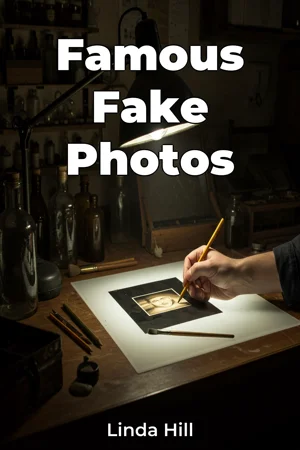
Have you ever stopped to consider whether the iconic images etched in our collective memory are entirely truthful? "Famous Fake Photos" delves into the often-hidden world of photographic manipulation, staged scenes, and outright fabrications that have shaped our understanding of history and culture. This book explores not only the 'how' of photo fakery but, more importantly, the 'why' and the lasting impact these deceptive images have had on society. The book's core focuses on three primary areas: the evolution of photo manipulation techniques from darkroom trickery to digital wizardry, the motivations behind these alterations spanning propaganda and profit, and the ethical implications for journalism, historical record-keeping, and public trust. These topics are crucial because they expose the fallibility of photography, a medium often perceived as objective truth, and challenge us to become more critical consumers of visual information. Understanding the history of photography and its role in disseminating information is vital. From the early days of staged portraiture to the advent of digital image editing software, the capacity to alter reality has always been present. The book navigates this timeline, providing context for each era and highlighting key technological advancements that expanded the possibilities for manipulation--and the need for advanced critical thinking. The central argument of "Famous Fake Photos" is that altered or fabricated photographs, regardless of intent, erode the integrity of visual documentation and can have profound consequences on our perception of reality. It is crucial to understand the underlying processes and agendas to navigate the complex visual landscape of the 21st century. The book begins by introducing the fundamental principles of photographic manipulation and the historical context in which these techniques emerged. It then develops this idea through several major sections. First, a detailed examination of specific cases of famous fake photos, analyzing the techniques used and the context in which they were created. Second, an exploration of the motivations behind photo manipulation, including political propaganda, commercial gain, and artistic expression. Third, a discussion of the ethical challenges posed by altered images and the implications for media literacy and historical accuracy. The book culminates with a call for increased awareness and critical engagement with visual media, emphasizing the importance of fact-checking and source verification. The book's arguments are supported by a range of evidence, including forensic analysis of altered photographs, historical documents revealing the motivations behind specific fabrications, and case studies examining the impact of fake photos on public opinion. It also draws upon expert interviews with photo historians, forensic imaging specialists, and media ethicists. "Famous Fake Photos" connects to several interdisciplinary fields, including media studies, history, and ethics. By examining the manipulation of images from a media studies perspective, the book provides insights into how visual narratives are constructed and disseminated. From a historical standpoint, it sheds light on how altered photographs have shaped our understanding of past events. And from an ethical perspective, it raises important questions about the responsibility of photographers, editors, and consumers of visual media. This book offers a unique perspective by combining forensic analysis with historical context and ethical considerations, creating a comprehensive picture of a complex issue. It also highlights the importance of visual literacy in the digital age, empowering readers to become more informed and discerning consumers of visual information. The tone of the book is informative and analytical, aiming to present factual information in an accessible and engaging manner. While grounded in rigorous research, the writing style remains approachable, avoiding jargon and technical complexities where possible. The book will appeal to a broad audience, including photography enthusiasts, students of history and media studies, journalists, and anyone interested in understanding the power and potential pitfalls of visual communication. It is especially timely in an era of fake news and widespread online misinformation. As a work of non-fiction photography, "Famous Fake Photos" adheres to the genre's conventions by presenting factual information, supporting claims with evidence, and maintaining objectivity. The book's scope is intentionally broad, covering a wide range of famous fake photos from different eras and contexts. However, it does not attempt to be exhaustive, focusing instead on the most significant and illustrative examples. The information presented in "Famous Fake Photos" has numerous real-world applications. Students can use it to develop critical thinking skills and media literacy. Journalists can use it to improve their fact-checking and verification processes. And the general public can use it to become more informed and discerning consumers of visual information. The topic of photo manipulation is often surrounded by controversy, with some arguing that minor alterations are acceptable while others maintain that any manipulation is unethical. "Famous Fake Photos" addresses these ongoing debates by presenting different perspectives and encouraging readers to form their own informed opinions.
Have you ever stopped to consider whether the iconic images etched in our collective memory are entirely truthful? "Famous Fake Photos" delves into the often-hidden world of photographic manipulation, staged scenes, and outright fabrications that have shaped our understanding of history and culture. This book explores not only the 'how' of photo fakery but, more importantly, the 'why' and the lasting impact these deceptive images have had on society. The book's core focuses on three primary areas: the evolution of photo manipulation techniques from darkroom trickery to digital wizardry, the motivations behind these alterations spanning propaganda and profit, and the ethical implications for journalism, historical record-keeping, and public trust. These topics are crucial because they expose the fallibility of photography, a medium often perceived as objective truth, and challenge us to become more critical consumers of visual information. Understanding the history of photography and its role in disseminating information is vital. From the early days of staged portraiture to the advent of digital image editing software, the capacity to alter reality has always been present. The book navigates this timeline, providing context for each era and highlighting key technological advancements that expanded the possibilities for manipulation--and the need for advanced critical thinking. The central argument of "Famous Fake Photos" is that altered or fabricated photographs, regardless of intent, erode the integrity of visual documentation and can have profound consequences on our perception of reality. It is crucial to understand the underlying processes and agendas to navigate the complex visual landscape of the 21st century. The book begins by introducing the fundamental principles of photographic manipulation and the historical context in which these techniques emerged. It then develops this idea through several major sections. First, a detailed examination of specific cases of famous fake photos, analyzing the techniques used and the context in which they were created. Second, an exploration of the motivations behind photo manipulation, including political propaganda, commercial gain, and artistic expression. Third, a discussion of the ethical challenges posed by altered images and the implications for media literacy and historical accuracy. The book culminates with a call for increased awareness and critical engagement with visual media, emphasizing the importance of fact-checking and source verification. The book's arguments are supported by a range of evidence, including forensic analysis of altered photographs, historical documents revealing the motivations behind specific fabrications, and case studies examining the impact of fake photos on public opinion. It also draws upon expert interviews with photo historians, forensic imaging specialists, and media ethicists. "Famous Fake Photos" connects to several interdisciplinary fields, including media studies, history, and ethics. By examining the manipulation of images from a media studies perspective, the book provides insights into how visual narratives are constructed and disseminated. From a historical standpoint, it sheds light on how altered photographs have shaped our understanding of past events. And from an ethical perspective, it raises important questions about the responsibility of photographers, editors, and consumers of visual media. This book offers a unique perspective by combining forensic analysis with historical context and ethical considerations, creating a comprehensive picture of a complex issue. It also highlights the importance of visual literacy in the digital age, empowering readers to become more informed and discerning consumers of visual information. The tone of the book is informative and analytical, aiming to present factual information in an accessible and engaging manner. While grounded in rigorous research, the writing style remains approachable, avoiding jargon and technical complexities where possible. The book will appeal to a broad audience, including photography enthusiasts, students of history and media studies, journalists, and anyone interested in understanding the power and potential pitfalls of visual communication. It is especially timely in an era of fake news and widespread online misinformation. As a work of non-fiction photography, "Famous Fake Photos" adheres to the genre's conventions by presenting factual information, supporting claims with evidence, and maintaining objectivity. The book's scope is intentionally broad, covering a wide range of famous fake photos from different eras and contexts. However, it does not attempt to be exhaustive, focusing instead on the most significant and illustrative examples. The information presented in "Famous Fake Photos" has numerous real-world applications. Students can use it to develop critical thinking skills and media literacy. Journalists can use it to improve their fact-checking and verification processes. And the general public can use it to become more informed and discerning consumers of visual information. The topic of photo manipulation is often surrounded by controversy, with some arguing that minor alterations are acceptable while others maintain that any manipulation is unethical. "Famous Fake Photos" addresses these ongoing debates by presenting different perspectives and encouraging readers to form their own informed opinions.
"Famous Fake Photos" explores the hidden history of photo manipulation, revealing how altered images have shaped our understanding of history and culture. It uncovers the evolution of techniques, from early darkroom tricks to today's digital wizardry, and examines the motivations behind photo fakery, including propaganda and profit. The book emphasizes the ethical implications of these deceptions and challenges us to become more critical consumers of visual media. The book navigates a timeline of image manipulation, providing historical context and highlighting technological advancements. For example, early staged portraiture shows how manipulation has always been part of photography. It dives into specific cases of famous fake photos, analyzing the techniques used and their impact on public opinion. This approach combines forensic analysis with historical context, offering a unique perspective on the power and potential pitfalls of visual communication. The book begins by introducing the fundamental principles of photo manipulation and progresses through major sections. It examines specific cases, explores the motivations behind image alteration, and discusses the ethical challenges. Ultimately, "Famous Fake Photos" calls for increased awareness and critical engagement with visual media, emphasizing the importance of fact-checking in an era saturated with visual content.
Book Details
ISBN
9788235218216
Publisher
Publifye AS
Your Licenses
You don't own any licenses for this book
Purchase a license below to unlock this book and download the EPUB.
Purchase License
Select a tier to unlock this book
Need bulk licensing?
Contact us for enterprise agreements.