
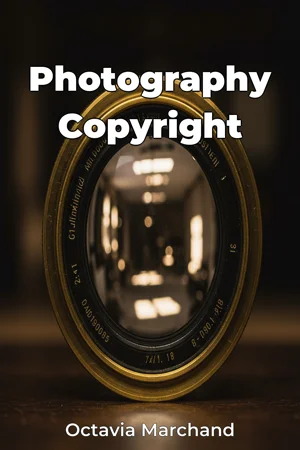
About This Book
Have you ever considered who truly owns a photograph once the shutter clicks? Photography is more than an art; it's a business, a form of expression, and a source of complex legal battles. "Photography Copyright" delves into the intricate world of intellectual property law as it applies to photographic works, exploring the crucial issues of ownership, fair use, and the rights of photographers in an increasingly digital age. Understanding these issues is vital for anyone involved in creating, distributing, or using photographs, whether they are professional photographers, business owners, or everyday social media users. This book examines the core principles of copyright law, providing the necessary historical context and legal precedents that shape the current landscape. It begins by outlining the fundamental rights granted to photographers under copyright law, including the exclusive right to reproduce, distribute, display, and create derivative works from their images. It clarifies common misconceptions about copyright ownership, particularly in commissioned work scenarios and the implications of digital image manipulation. Foundational court cases that have helped define photographic copyright will be examined. The book then moves into a detailed analysis of fair use, one of the most debated and misunderstood aspects of copyright law. We will dissect landmark cases involving the use of photographs in news reporting, commentary, education, and parody, providing clear guidelines on what constitutes fair use and what crosses the line into infringement. This section will also cover the Digital Millennium Copyright Act (DMCA) and its impact on online copyright enforcement, including safe harbor provisions for online platforms and the procedures for takedown notices. Furthermore, "Photography Copyright" explores the intersection of photography and entrepreneurship, offering practical guidance for photographers looking to protect their work and monetize their images. This area addresses licensing agreements, model releases, watermarking strategies, and the registration of copyrights with the U.S. Copyright Office to provide legal recourse in cases of infringement. We also examine the role of Creative Commons licenses as an alternative to traditional copyright, enabling photographers to grant specific permissions for the use of their work while retaining certain rights. The arguments presented are supported by thorough research and analysis of relevant case law, statutes, and scholarly articles. The book draws upon data from copyright infringement lawsuits and licensing trends in the photography industry, providing empirical evidence to support its claims. "Photography Copyright" directly connects to business entrepreneurship by providing photographers with the tools to protect their assets and build sustainable businesses. It also bridges the gap between law and art, offering insights into how legal principles can be applied to creative expression. Moreover, its discussion of digital rights management and online copyright enforcement intersects with the field of information technology. This book takes a practical approach to understanding complex legal concepts, using real-world examples and hypothetical scenarios to illustrate key points. The book is written in clear, accessible language that is suitable for both legal professionals and non-lawyers alike. The target audience includes professional and amateur photographers, graphic designers, web developers, social media managers, business owners, and anyone who works with or uses photographic images. It will also be valuable to students studying photography, art, or intellectual property law. This book provides the knowledge and tools necessary to navigate the complex legal landscape of photography copyright, empowering readers to protect their work, avoid infringement, and make informed decisions about the use of photographic images. While the book provides a comprehensive overview of U.S. copyright law as it applies to photography, it does not delve into the specific copyright laws of other countries. Its focus is on providing practical guidance for photographers operating within the U.S. legal system. Readers will learn how to register their photographs with the U.S. Copyright Office, draft effective licensing agreements, and respond to copyright infringement notices. They will also gain a better understanding of the risks and rewards of using Creative Commons licenses and the importance of obtaining model releases. The book also touches upon ongoing debates surrounding the Orphan Works problem and the potential for legislative reforms to address this issue. "Photography Copyright" aims to be an indispensable resource for anyone who wants to understand and protect their rights in the world of photography.
Have you ever considered who truly owns a photograph once the shutter clicks? Photography is more than an art; it's a business, a form of expression, and a source of complex legal battles. "Photography Copyright" delves into the intricate world of intellectual property law as it applies to photographic works, exploring the crucial issues of ownership, fair use, and the rights of photographers in an increasingly digital age. Understanding these issues is vital for anyone involved in creating, distributing, or using photographs, whether they are professional photographers, business owners, or everyday social media users. This book examines the core principles of copyright law, providing the necessary historical context and legal precedents that shape the current landscape. It begins by outlining the fundamental rights granted to photographers under copyright law, including the exclusive right to reproduce, distribute, display, and create derivative works from their images. It clarifies common misconceptions about copyright ownership, particularly in commissioned work scenarios and the implications of digital image manipulation. Foundational court cases that have helped define photographic copyright will be examined. The book then moves into a detailed analysis of fair use, one of the most debated and misunderstood aspects of copyright law. We will dissect landmark cases involving the use of photographs in news reporting, commentary, education, and parody, providing clear guidelines on what constitutes fair use and what crosses the line into infringement. This section will also cover the Digital Millennium Copyright Act (DMCA) and its impact on online copyright enforcement, including safe harbor provisions for online platforms and the procedures for takedown notices. Furthermore, "Photography Copyright" explores the intersection of photography and entrepreneurship, offering practical guidance for photographers looking to protect their work and monetize their images. This area addresses licensing agreements, model releases, watermarking strategies, and the registration of copyrights with the U.S. Copyright Office to provide legal recourse in cases of infringement. We also examine the role of Creative Commons licenses as an alternative to traditional copyright, enabling photographers to grant specific permissions for the use of their work while retaining certain rights. The arguments presented are supported by thorough research and analysis of relevant case law, statutes, and scholarly articles. The book draws upon data from copyright infringement lawsuits and licensing trends in the photography industry, providing empirical evidence to support its claims. "Photography Copyright" directly connects to business entrepreneurship by providing photographers with the tools to protect their assets and build sustainable businesses. It also bridges the gap between law and art, offering insights into how legal principles can be applied to creative expression. Moreover, its discussion of digital rights management and online copyright enforcement intersects with the field of information technology. This book takes a practical approach to understanding complex legal concepts, using real-world examples and hypothetical scenarios to illustrate key points. The book is written in clear, accessible language that is suitable for both legal professionals and non-lawyers alike. The target audience includes professional and amateur photographers, graphic designers, web developers, social media managers, business owners, and anyone who works with or uses photographic images. It will also be valuable to students studying photography, art, or intellectual property law. This book provides the knowledge and tools necessary to navigate the complex legal landscape of photography copyright, empowering readers to protect their work, avoid infringement, and make informed decisions about the use of photographic images. While the book provides a comprehensive overview of U.S. copyright law as it applies to photography, it does not delve into the specific copyright laws of other countries. Its focus is on providing practical guidance for photographers operating within the U.S. legal system. Readers will learn how to register their photographs with the U.S. Copyright Office, draft effective licensing agreements, and respond to copyright infringement notices. They will also gain a better understanding of the risks and rewards of using Creative Commons licenses and the importance of obtaining model releases. The book also touches upon ongoing debates surrounding the Orphan Works problem and the potential for legislative reforms to address this issue. "Photography Copyright" aims to be an indispensable resource for anyone who wants to understand and protect their rights in the world of photography.
"Photography Copyright" demystifies the complex intersection of photography and intellectual property law, focusing on the rights of photographers in the digital age. It clarifies misconceptions about copyright ownership, especially in commissioned work, and highlights pivotal court cases that have shaped photographic copyright. Understanding fair use is critical; the book dissects landmark cases involving news reporting, education, and parody to define infringement boundaries, also explaining the Digital Millennium Copyright Act (DMCA) and its impact on online copyright enforcement. The book provides practical guidance for photographers aiming to protect and monetize their images, navigating licensing agreements, model releases, and copyright registration. It explores alternative options like Creative Commons licenses, allowing photographers to grant specific usage permissions while retaining rights. By using real-world examples and hypothetical scenarios, "Photography Copyright" progresses from fundamental rights to enforcement, offering a clear, accessible path for both legal professionals and non-lawyers to navigate the intricacies of photography copyright.
Book Details
ISBN
9788235218179
Publisher
Publifye AS
Your Licenses
You don't own any licenses for this book
Purchase a license below to unlock this book and download the EPUB.
Purchase License
Select a tier to unlock this book
Need bulk licensing?
Contact us for enterprise agreements.