
About This Book
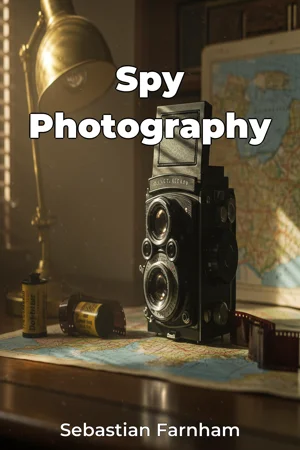
Have you ever wondered how intelligence agencies see the world? "Spy Photography" unveils the hidden history and intricate techniques behind the use of photography in espionage, surveillance, and covert operations. This book explores the pivotal role photography has played in shaping intelligence gathering from its inception to the present day. We will delve into the evolution of photographic technologies used for spying, the ethical implications of surveillance, and the impact of these clandestine operations on global events. This book examines three core concepts: the technical advancements in spy photography, the strategic deployment of these technologies by various intelligence agencies, and the resulting impact on both military and civilian spheres. These topics are crucial because they shed light on the often-unseen mechanisms of power, control, and information warfare that define modern geopolitics. Understanding these elements provides a vital perspective on the balance between national security and individual privacy. To fully appreciate the importance of spy photography, the book begins with a historical overview of the development of photography itself and its early adoption by military and intelligence organizations. No prior complex technical knowledge is required; explanations will be provided for any specialized equipment and terminology. The central argument of "Spy Photography" is that photographic intelligence has been a consistently underestimated, yet profoundly influential, tool in shaping military history and international relations. By revealing the scope and sophistication of these operations, the book underscores the need for informed public discourse regarding the ethical and legal boundaries of surveillance in the digital age. The book unfolds in several stages. The initial chapters establish the foundation by tracing the origins of spy photography back to the 19th century. Subsequent sections will explore the diversification of photographic techniques, from aerial reconnaissance during wartime to the use of miniature cameras for covert surveillance. The book then analyzes specific case studies of how spy photography influenced key historical events. Finally, it considers the contemporary challenges posed by digital imaging and facial recognition technologies. Supporting this analysis, the book draws upon declassified documents, historical archives, technical manuals, and firsthand accounts from intelligence operatives. These sources offer an unparalleled glimpse into the world of espionage and provide concrete evidence of the impact of spy photography. "Spy Photography" connects to several other academic disciplines, including history, political science, and ethics. Examining the historical context adds depth to our understanding of espionage. Linking spy photography to political science helps decipher the motivations and consequences of these activities. The ethical considerations of covert surveillance prompt reflections on the balance between security and individual freedoms. This book offers a unique perspective by combining technical analysis with historical narrative. Rather than focusing solely on technological advancements, it emphasizes the human element, exploring the motivations, risks, and ethical dilemmas faced by the individuals involved in these clandestine operations. The tone is informative and analytical, avoiding sensationalism while maintaining a sense of intrigue and discovery. The writing style aims for clarity and precision, making complex technical concepts accessible to a broad audience. "Spy Photography" is aimed at readers interested in military history, intelligence studies, photography, or anyone curious about the hidden aspects of global politics. This book will appeal to historians, students, researchers, and general readers seeking a deeper understanding of the role of photography in shaping modern history. It is particularly valuable to those seeking a fact-based account of a topic often shrouded in secrecy. As a work of non-fiction within the genres of Photography General, Photography, History Military, and Military History, the conventions of meticulous research, accurate representation of facts, and clear attribution of sources are strictly followed. The scope of "Spy Photography" encompasses the global history of photographic intelligence, while focusing primarily on the activities of major international powers. However, it does not delve into the technical specifications of every single piece of equipment ever used. The insights provided in this book have practical relevance for professionals working in fields such as law enforcement, national security, and journalism, as well as for anyone concerned about privacy and surveillance in the digital age. The book examines the ongoing debates surrounding the legality and morality of surveillance activities, acknowledging the differing perspectives of governments, civil liberties organizations, and individuals. By providing a comprehensive overview of the subject, "Spy Photography" aims to contribute to a more informed and nuanced discussion of these critical issues, fostering understanding of the complex interplay between security, technology, and individual rights.
Have you ever wondered how intelligence agencies see the world? "Spy Photography" unveils the hidden history and intricate techniques behind the use of photography in espionage, surveillance, and covert operations. This book explores the pivotal role photography has played in shaping intelligence gathering from its inception to the present day. We will delve into the evolution of photographic technologies used for spying, the ethical implications of surveillance, and the impact of these clandestine operations on global events. This book examines three core concepts: the technical advancements in spy photography, the strategic deployment of these technologies by various intelligence agencies, and the resulting impact on both military and civilian spheres. These topics are crucial because they shed light on the often-unseen mechanisms of power, control, and information warfare that define modern geopolitics. Understanding these elements provides a vital perspective on the balance between national security and individual privacy. To fully appreciate the importance of spy photography, the book begins with a historical overview of the development of photography itself and its early adoption by military and intelligence organizations. No prior complex technical knowledge is required; explanations will be provided for any specialized equipment and terminology. The central argument of "Spy Photography" is that photographic intelligence has been a consistently underestimated, yet profoundly influential, tool in shaping military history and international relations. By revealing the scope and sophistication of these operations, the book underscores the need for informed public discourse regarding the ethical and legal boundaries of surveillance in the digital age. The book unfolds in several stages. The initial chapters establish the foundation by tracing the origins of spy photography back to the 19th century. Subsequent sections will explore the diversification of photographic techniques, from aerial reconnaissance during wartime to the use of miniature cameras for covert surveillance. The book then analyzes specific case studies of how spy photography influenced key historical events. Finally, it considers the contemporary challenges posed by digital imaging and facial recognition technologies. Supporting this analysis, the book draws upon declassified documents, historical archives, technical manuals, and firsthand accounts from intelligence operatives. These sources offer an unparalleled glimpse into the world of espionage and provide concrete evidence of the impact of spy photography. "Spy Photography" connects to several other academic disciplines, including history, political science, and ethics. Examining the historical context adds depth to our understanding of espionage. Linking spy photography to political science helps decipher the motivations and consequences of these activities. The ethical considerations of covert surveillance prompt reflections on the balance between security and individual freedoms. This book offers a unique perspective by combining technical analysis with historical narrative. Rather than focusing solely on technological advancements, it emphasizes the human element, exploring the motivations, risks, and ethical dilemmas faced by the individuals involved in these clandestine operations. The tone is informative and analytical, avoiding sensationalism while maintaining a sense of intrigue and discovery. The writing style aims for clarity and precision, making complex technical concepts accessible to a broad audience. "Spy Photography" is aimed at readers interested in military history, intelligence studies, photography, or anyone curious about the hidden aspects of global politics. This book will appeal to historians, students, researchers, and general readers seeking a deeper understanding of the role of photography in shaping modern history. It is particularly valuable to those seeking a fact-based account of a topic often shrouded in secrecy. As a work of non-fiction within the genres of Photography General, Photography, History Military, and Military History, the conventions of meticulous research, accurate representation of facts, and clear attribution of sources are strictly followed. The scope of "Spy Photography" encompasses the global history of photographic intelligence, while focusing primarily on the activities of major international powers. However, it does not delve into the technical specifications of every single piece of equipment ever used. The insights provided in this book have practical relevance for professionals working in fields such as law enforcement, national security, and journalism, as well as for anyone concerned about privacy and surveillance in the digital age. The book examines the ongoing debates surrounding the legality and morality of surveillance activities, acknowledging the differing perspectives of governments, civil liberties organizations, and individuals. By providing a comprehensive overview of the subject, "Spy Photography" aims to contribute to a more informed and nuanced discussion of these critical issues, fostering understanding of the complex interplay between security, technology, and individual rights.
"Spy Photography" explores the fascinating intersection of photography, military history, and espionage, revealing how intelligence agencies have utilized photographic technologies for surveillance and covert operations. The book highlights photography's pivotal role in shaping intelligence gathering, from early military applications to modern geopolitical strategies. For example, aerial reconnaissance significantly impacted wartime decision-making, providing crucial insights into enemy positions and movements. The book examines the evolution of spy photography, tracing its origins to the 19th century and progressing through the development of miniature cameras and digital imaging. A central argument is that photographic intelligence has been an underestimated tool in shaping military history and international relations. By combining technical analysis with historical narrative, the book emphasizes the human element, exploring the motivations and ethical dilemmas faced by those involved in clandestine operations. It is aimed at readers interested in military history, intelligence studies, and the hidden aspects of global politics. The book unfolds by first establishing a historical foundation and then exploring the diversification of photographic techniques. Subsequent sections analyze case studies of how spy photography influenced key historical events. Finally, it considers the contemporary challenges posed by digital imaging and facial recognition technologies, offering a comprehensive overview of the subject and fostering a nuanced discussion of security, technology, and individual rights.
Book Details
ISBN
9788235218124
Publisher
Publifye AS
Your Licenses
You don't own any licenses for this book
Purchase a license below to unlock this book and download the EPUB.
Purchase License
Select a tier to unlock this book
Need bulk licensing?
Contact us for enterprise agreements.