
About This Book
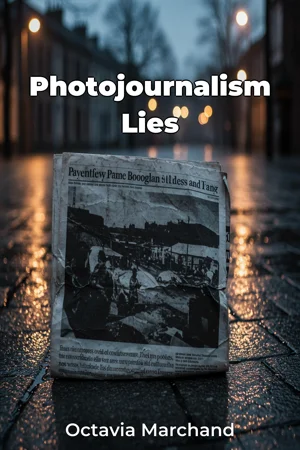
Do you believe everything you see in the news? "Photojournalism Lies" explores the uncomfortable truth about the manipulation of news photography, revealing how images, often perceived as objective records, can be deliberately altered, staged, or used out of context for political gain. This book delves into the ethical quagmire of visual manipulation and its impact on public perception, trust in media, and the course of history. This investigation centers on three core themes: the history of photo manipulation, the motivations behind these deceptive practices, and the consequences for society. The story begins long before digital tools made alteration simple, providing a historical context demonstrating that photographic manipulation has been a persistent issue since the medium's inception. It then examines political motivations, exploring how governments, organizations, and individuals exploit images to shape narratives, influence public opinion, and advance specific agendas. Finally, the book analyzes the effects of these actions, from eroding credibility to inciting social unrest. Understanding the power and fragility of the photographic image requires some foundational knowledge of photographic techniques and the role of photojournalism in a democratic society; however, complex technical jargon is avoided in favor of clear explanations. The central argument asserts that the deliberate manipulation of photojournalism constitutes a serious threat to informed public discourse and democratic processes. The book supports this claim through meticulous analysis of specific case studies. The book’s structure unfolds in three parts. Initially, the foundational principles of visual rhetoric and the history of photo manipulation are introduced. The second section presents detailed case studies categorizing manipulations by type: staging, cropping, altering content with digital tools, and misleading captions. The third section examines the impact of these manipulations on public trust, political movements, and international relations, culminating in practical guidance on identifying and critically evaluating photojournalistic content. Evidence is drawn from a diverse range of sources, including archival photographs, legal documents, journalistic investigations, and interviews with photographers, editors, and media experts. The methodologies encompass visual analysis, historical research, and media studies frameworks. "Photojournalism Lies" connects to various fields, including political science (examining propaganda and political communication), sociology (analyzing the impact of media on social perceptions), and ethics (evaluating the moral responsibilities of journalists and media outlets). These connections enrich the discussion by providing multiple lenses through which manipulation can be understood. This book provides a unique perspective by focusing not only on the "how" of photographic manipulation but also on the "why" and the far-reaching consequences. It moves beyond a simple cataloging of altered images, instead offering a framework for understanding the motivations and impact of these actions. The tone is analytical and critical, rooted in fact-based reporting and research. It avoids sensationalism while maintaining a clear and accessible style for a broad audience. This book is aimed at students of journalism, media studies, and political science, as well as practicing journalists, media consumers, and anyone interested in understanding the power and potential pitfalls of visual communication. It provides essential tools to navigate the increasingly complex media landscape. As a work of non-fiction, "Photojournalism Lies" adheres to the genre's commitment to factual accuracy, transparency, and rigorous sourcing. The book concentrates on cases of intentional manipulation for discernible political purposes within established news media. It does not delve into areas such as artistic photography or amateur misuse of images on social media, limiting its scope to maintain focus. This book offers readers real-world applications equipping them to critically assess news images, understand the potential for bias and manipulation, and become more informed and discerning consumers of media. The book directly addresses debates surrounding journalistic ethics, the role of visual evidence in shaping public opinion, and the balance between freedom of expression and responsible reporting.
Do you believe everything you see in the news? "Photojournalism Lies" explores the uncomfortable truth about the manipulation of news photography, revealing how images, often perceived as objective records, can be deliberately altered, staged, or used out of context for political gain. This book delves into the ethical quagmire of visual manipulation and its impact on public perception, trust in media, and the course of history. This investigation centers on three core themes: the history of photo manipulation, the motivations behind these deceptive practices, and the consequences for society. The story begins long before digital tools made alteration simple, providing a historical context demonstrating that photographic manipulation has been a persistent issue since the medium's inception. It then examines political motivations, exploring how governments, organizations, and individuals exploit images to shape narratives, influence public opinion, and advance specific agendas. Finally, the book analyzes the effects of these actions, from eroding credibility to inciting social unrest. Understanding the power and fragility of the photographic image requires some foundational knowledge of photographic techniques and the role of photojournalism in a democratic society; however, complex technical jargon is avoided in favor of clear explanations. The central argument asserts that the deliberate manipulation of photojournalism constitutes a serious threat to informed public discourse and democratic processes. The book supports this claim through meticulous analysis of specific case studies. The book’s structure unfolds in three parts. Initially, the foundational principles of visual rhetoric and the history of photo manipulation are introduced. The second section presents detailed case studies categorizing manipulations by type: staging, cropping, altering content with digital tools, and misleading captions. The third section examines the impact of these manipulations on public trust, political movements, and international relations, culminating in practical guidance on identifying and critically evaluating photojournalistic content. Evidence is drawn from a diverse range of sources, including archival photographs, legal documents, journalistic investigations, and interviews with photographers, editors, and media experts. The methodologies encompass visual analysis, historical research, and media studies frameworks. "Photojournalism Lies" connects to various fields, including political science (examining propaganda and political communication), sociology (analyzing the impact of media on social perceptions), and ethics (evaluating the moral responsibilities of journalists and media outlets). These connections enrich the discussion by providing multiple lenses through which manipulation can be understood. This book provides a unique perspective by focusing not only on the "how" of photographic manipulation but also on the "why" and the far-reaching consequences. It moves beyond a simple cataloging of altered images, instead offering a framework for understanding the motivations and impact of these actions. The tone is analytical and critical, rooted in fact-based reporting and research. It avoids sensationalism while maintaining a clear and accessible style for a broad audience. This book is aimed at students of journalism, media studies, and political science, as well as practicing journalists, media consumers, and anyone interested in understanding the power and potential pitfalls of visual communication. It provides essential tools to navigate the increasingly complex media landscape. As a work of non-fiction, "Photojournalism Lies" adheres to the genre's commitment to factual accuracy, transparency, and rigorous sourcing. The book concentrates on cases of intentional manipulation for discernible political purposes within established news media. It does not delve into areas such as artistic photography or amateur misuse of images on social media, limiting its scope to maintain focus. This book offers readers real-world applications equipping them to critically assess news images, understand the potential for bias and manipulation, and become more informed and discerning consumers of media. The book directly addresses debates surrounding journalistic ethics, the role of visual evidence in shaping public opinion, and the balance between freedom of expression and responsible reporting.
"Photojournalism Lies" uncovers the troubling reality of manipulated news photography and its impact on public trust and political landscapes. The book reveals that photo manipulation, ranging from staging to digital alterations, has a long history and is often driven by political agendas seeking to shape narratives and influence public opinion. One key insight is how these manipulations, even subtle ones like misleading captions, can erode media credibility and incite social unrest. The book presents its findings through a structured approach, beginning with foundational concepts of visual rhetoric and the history of photo manipulation. It progresses by examining specific case studies categorized by manipulation type, such as cropping, altering content, and staging. Finally, it analyzes the profound effects of these manipulated images on public trust, political movements, and international relations, providing readers with practical tools to critically evaluate photojournalistic content. By focusing on the *why* and the consequences of photo manipulation, rather than just the *how*, "Photojournalism Lies" offers a unique framework for understanding the motivations and impact of these deceptive practices. Drawing from diverse sources like archival photographs and journalistic investigations, the book connects to fields like political science, sociology, and ethics, enriching the discussion and providing multiple lenses through which manipulation can be understood.
Book Details
ISBN
9788235218100
Publisher
Publifye AS
Your Licenses
You don't own any licenses for this book
Purchase a license below to unlock this book and download the EPUB.
Purchase License
Select a tier to unlock this book
Need bulk licensing?
Contact us for enterprise agreements.