
About This Book
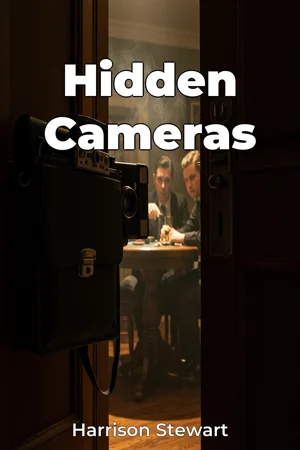
What if the most pivotal moments in history were captured not by official photographers, but by clandestine lenses operating in the shadows? "Hidden Cameras" delves into the fascinating and often unsettling world of surveillance photography, exploring its profound impact on both journalism and the course of historical events. This book examines how the surreptitious use of cameras has reshaped our understanding of power, privacy, and the very nature of truth. The core of this exploration rests on three significant pillars. First, the evolution of covert photographic technology, from bulky, disguised contraptions to today's miniaturized and networked devices. Second, the ethics of surveillance, probing the complex moral questions that arise when images are captured without consent or knowledge. Third, the transformative role of hidden camera footage in shaping public opinion and driving social and political change, specifically relevant to the fields of photography and journalism. Understanding these topics is essential for anyone seeking to grasp the nuances of modern visual culture and its intersection with journalistic integrity. This book argues that hidden camera photography is not merely a technological tool, but a powerful force that has fundamentally altered the dynamics of transparency and accountability in society. By presenting compelling case studies, "Hidden Cameras" demonstrates how covert images have exposed corruption, documented injustices, and sparked crucial public dialogues. The book navigates the legal and ethical complexities surrounding the use of hidden cameras, examining landmark cases and the ongoing debate about the balance between privacy rights and the public's right to know. The book begins by tracing the historical roots of surveillance photography, highlighting early innovations and their initial applications. It then explores the ethical dilemmas inherent in this practice, considering the perspectives of journalists, law enforcement, and individuals who have been subjected to covert surveillance. Major sections of the book focus on specific instances where hidden camera footage has played a pivotal role, such as exposing unsafe working conditions, documenting human rights abuses, or revealing political scandals. These examples showcase the diverse ways in which hidden cameras have been used to uncover hidden truths and influence public discourse. The book culminates by analyzing the implications of increasingly sophisticated surveillance technology for the future of privacy and the role of journalism in an age of ubiquitous cameras. The arguments presented are supported by a range of evidence, including historical photographs, court documents, journalistic reports, and interviews with key figures involved in surveillance controversies. The book also draws upon academic research in the fields of media studies, law, and ethics to provide a comprehensive and nuanced analysis. "Hidden Cameras" also connects interdisciplinary fields, linking photography, journalism and law . It acknowledges the influence of technology studies, which provide insights into the development and deployment of surveillance technologies. This interdisciplinary approach enriches the book's argument by providing a broader understanding of the social, cultural, and technological forces that shape the use of hidden cameras. Unlike previous works that focus solely on the technical aspects of surveillance or its legal implications, "Hidden Cameras" offers a holistic perspective that integrates historical context, ethical considerations, and journalistic practices. This approach provides a more complete and nuanced understanding of the power and potential pitfalls of hidden camera photography. Written in a clear and accessible style, "Hidden Cameras" is intended for a broad audience, including students of journalism and photography, media professionals, policymakers, and anyone interested in the ethical and social implications of surveillance technology. The book offers valuable insights for those seeking to understand the complex relationship between images, power, and truth in the modern world. "Hidden Cameras" deliberately limits its scope to the use of hidden cameras in journalism and historical documentation, excluding other forms of surveillance such as those employed by intelligence agencies or private security firms, unless they directly relate to the core themes. The information presented can be applied by journalists seeking to use hidden cameras responsibly and ethically, policymakers grappling with the regulation of surveillance technology, and individuals seeking to protect their privacy in an increasingly monitored world. The book addresses ongoing debates surrounding the use of facial recognition technology, the legality of recording in public spaces, and the ethical responsibilities of journalists who rely on hidden camera footage.
What if the most pivotal moments in history were captured not by official photographers, but by clandestine lenses operating in the shadows? "Hidden Cameras" delves into the fascinating and often unsettling world of surveillance photography, exploring its profound impact on both journalism and the course of historical events. This book examines how the surreptitious use of cameras has reshaped our understanding of power, privacy, and the very nature of truth. The core of this exploration rests on three significant pillars. First, the evolution of covert photographic technology, from bulky, disguised contraptions to today's miniaturized and networked devices. Second, the ethics of surveillance, probing the complex moral questions that arise when images are captured without consent or knowledge. Third, the transformative role of hidden camera footage in shaping public opinion and driving social and political change, specifically relevant to the fields of photography and journalism. Understanding these topics is essential for anyone seeking to grasp the nuances of modern visual culture and its intersection with journalistic integrity. This book argues that hidden camera photography is not merely a technological tool, but a powerful force that has fundamentally altered the dynamics of transparency and accountability in society. By presenting compelling case studies, "Hidden Cameras" demonstrates how covert images have exposed corruption, documented injustices, and sparked crucial public dialogues. The book navigates the legal and ethical complexities surrounding the use of hidden cameras, examining landmark cases and the ongoing debate about the balance between privacy rights and the public's right to know. The book begins by tracing the historical roots of surveillance photography, highlighting early innovations and their initial applications. It then explores the ethical dilemmas inherent in this practice, considering the perspectives of journalists, law enforcement, and individuals who have been subjected to covert surveillance. Major sections of the book focus on specific instances where hidden camera footage has played a pivotal role, such as exposing unsafe working conditions, documenting human rights abuses, or revealing political scandals. These examples showcase the diverse ways in which hidden cameras have been used to uncover hidden truths and influence public discourse. The book culminates by analyzing the implications of increasingly sophisticated surveillance technology for the future of privacy and the role of journalism in an age of ubiquitous cameras. The arguments presented are supported by a range of evidence, including historical photographs, court documents, journalistic reports, and interviews with key figures involved in surveillance controversies. The book also draws upon academic research in the fields of media studies, law, and ethics to provide a comprehensive and nuanced analysis. "Hidden Cameras" also connects interdisciplinary fields, linking photography, journalism and law . It acknowledges the influence of technology studies, which provide insights into the development and deployment of surveillance technologies. This interdisciplinary approach enriches the book's argument by providing a broader understanding of the social, cultural, and technological forces that shape the use of hidden cameras. Unlike previous works that focus solely on the technical aspects of surveillance or its legal implications, "Hidden Cameras" offers a holistic perspective that integrates historical context, ethical considerations, and journalistic practices. This approach provides a more complete and nuanced understanding of the power and potential pitfalls of hidden camera photography. Written in a clear and accessible style, "Hidden Cameras" is intended for a broad audience, including students of journalism and photography, media professionals, policymakers, and anyone interested in the ethical and social implications of surveillance technology. The book offers valuable insights for those seeking to understand the complex relationship between images, power, and truth in the modern world. "Hidden Cameras" deliberately limits its scope to the use of hidden cameras in journalism and historical documentation, excluding other forms of surveillance such as those employed by intelligence agencies or private security firms, unless they directly relate to the core themes. The information presented can be applied by journalists seeking to use hidden cameras responsibly and ethically, policymakers grappling with the regulation of surveillance technology, and individuals seeking to protect their privacy in an increasingly monitored world. The book addresses ongoing debates surrounding the use of facial recognition technology, the legality of recording in public spaces, and the ethical responsibilities of journalists who rely on hidden camera footage.
"Hidden Cameras" explores the complex world of surveillance photography and its significant impact on journalism and historical documentation. Delving into the evolution of covert photographic technology, the book argues that hidden cameras have fundamentally reshaped transparency and accountability in society. One intriguing aspect highlighted is how covert images have exposed corruption and documented injustices, sparking crucial public dialogues. The text also examines the ethics surrounding the use of hidden cameras, probing the moral questions that arise when images are captured without consent, a pivotal concern for media studies. The book navigates the legal and ethical complexities, examining landmark cases and the ongoing debate about balancing privacy rights with the public's right to know. It presents compelling case studies demonstrating how covert images have influenced public opinion and driven social and political change. Beginning with a historical overview, "Hidden Cameras" progresses to explore the ethical dilemmas inherent in covert photography before focusing on specific instances where hidden camera footage played a pivotal role. This approach provides a comprehensive understanding of the power and potential pitfalls of this tool for journalism.
Book Details
ISBN
9788235218087
Publisher
Publifye AS
Your Licenses
You don't own any licenses for this book
Purchase a license below to unlock this book and download the EPUB.
Purchase License
Select a tier to unlock this book
Need bulk licensing?
Contact us for enterprise agreements.