
About This Book
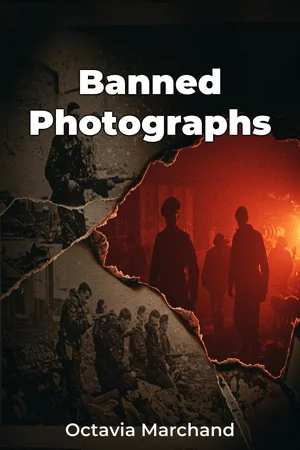
What happens when a photograph becomes too dangerous to see? "Banned Photographs" delves into the complex and often unsettling world of images deemed too controversial or dangerous for public consumption, exploring the reasons behind their censorship, erasure, or outright banning throughout history and their lasting impact. This book grapples with fundamental questions about freedom of expression, the power of visual media, and the ever-shifting boundaries of what society deems acceptable to witness. This book explores three core concepts: the historical context surrounding photographic censorship, the multifaceted reasons images are suppressed, and the consequences of restricting visual information. Understanding these topics is crucial in an era saturated with images, where the power of photography to shape public opinion and document history is undeniable. Censorship isn't merely a historical anomaly; it’s an ongoing struggle with profound implications for democracy, social justice, and our understanding of the past. From early examples of manipulated war photography to contemporary battles over graphic content online, the book provides a comprehensive historical backdrop, examining how societal norms, political ideologies, and technological advancements have shaped the landscape of photographic censorship. Readers do not need specialized knowledge to understand the discussion; it is presented clearly and in an accessible manner. The central argument of "Banned Photographs" asserts that the act of banning or censoring a photograph is rarely a neutral act. Instead, it's a powerful statement that reveals much about the values, fears, and power structures of a given society. The suppression of images can be a tool of oppression but also, paradoxically, a catalyst for social change and activism. This argument is important because it challenges readers to critically examine the motivations behind censorship and to consider the potential consequences of both allowing and restricting access to visual information. The book is structured to provide a clear and compelling narrative. It begins by introducing the core concepts of photographic censorship and its historical roots. The following sections then delve into specific case studies, examining photographs banned for reasons ranging from political dissent and obscenity to violations of privacy and incitement to violence. Each case study will dissect the context, the arguments for and against censorship, and the ultimate impact of the ban. The book culminates by analyzing the broader implications of photographic censorship in the digital age. It offers a framework for understanding the ethical and legal challenges posed by the proliferation of images online. "Banned Photographs" relies on diverse evidence, including archival documents, legal records, personal accounts, and critical analyses of the photographs themselves. The research draws from a global range of sources, providing a diverse and nuanced perspective on the topic. The book’s themes connect directly to other fields such as law (intellectual property rights and freedom of speech), sociology (the impact of visual media on social norms), and political science (the use of censorship as a tool of state control). These interdisciplinary connections enrich the analysis and provide a more holistic understanding. Presenting a novel methodology, the book provides clear frameworks for analyzing photographic censorship cases, encouraging readers to think critically about the power dynamics and ethical considerations involved. The tone of the book is analytical and informative yet accessible to a broad audience. Facts and detailed research are presented clearly, with a minimum of jargon, and a strong emphasis on telling compelling stories behind each photograph. The target audience includes photography enthusiasts, students of history and media studies, legal professionals interested in free speech issues, and anyone curious about the power and potential dangers of visual communication. It offers valuable insights for anyone seeking to understand the complex relationship between photography, censorship, and society. As a work of non-fiction, "Banned Photographs" adheres to the genre's emphasis on accuracy, objectivity, and thorough research. It acknowledges the inherent subjectivity involved in the debate over censorship. The book's scope encompasses a broad range of historical periods and geographical locations. Its primary focus centers on the reasons for photographic censorship and its consequences. While it touches on broader issues of media regulation, it does not include specific legal advice. The insights offered by "Banned Photographs" can be used to evaluate the information encountered daily, to engage in informed debates about censorship and free speech, and to become more responsible and critical consumers of visual media. The very act of censoring photographs generates debate. "Banned Photographs" acknowledges these ongoing debates and provides readers with the tools to engage in these discussions thoughtfully and critically.
What happens when a photograph becomes too dangerous to see? "Banned Photographs" delves into the complex and often unsettling world of images deemed too controversial or dangerous for public consumption, exploring the reasons behind their censorship, erasure, or outright banning throughout history and their lasting impact. This book grapples with fundamental questions about freedom of expression, the power of visual media, and the ever-shifting boundaries of what society deems acceptable to witness. This book explores three core concepts: the historical context surrounding photographic censorship, the multifaceted reasons images are suppressed, and the consequences of restricting visual information. Understanding these topics is crucial in an era saturated with images, where the power of photography to shape public opinion and document history is undeniable. Censorship isn't merely a historical anomaly; it’s an ongoing struggle with profound implications for democracy, social justice, and our understanding of the past. From early examples of manipulated war photography to contemporary battles over graphic content online, the book provides a comprehensive historical backdrop, examining how societal norms, political ideologies, and technological advancements have shaped the landscape of photographic censorship. Readers do not need specialized knowledge to understand the discussion; it is presented clearly and in an accessible manner. The central argument of "Banned Photographs" asserts that the act of banning or censoring a photograph is rarely a neutral act. Instead, it's a powerful statement that reveals much about the values, fears, and power structures of a given society. The suppression of images can be a tool of oppression but also, paradoxically, a catalyst for social change and activism. This argument is important because it challenges readers to critically examine the motivations behind censorship and to consider the potential consequences of both allowing and restricting access to visual information. The book is structured to provide a clear and compelling narrative. It begins by introducing the core concepts of photographic censorship and its historical roots. The following sections then delve into specific case studies, examining photographs banned for reasons ranging from political dissent and obscenity to violations of privacy and incitement to violence. Each case study will dissect the context, the arguments for and against censorship, and the ultimate impact of the ban. The book culminates by analyzing the broader implications of photographic censorship in the digital age. It offers a framework for understanding the ethical and legal challenges posed by the proliferation of images online. "Banned Photographs" relies on diverse evidence, including archival documents, legal records, personal accounts, and critical analyses of the photographs themselves. The research draws from a global range of sources, providing a diverse and nuanced perspective on the topic. The book’s themes connect directly to other fields such as law (intellectual property rights and freedom of speech), sociology (the impact of visual media on social norms), and political science (the use of censorship as a tool of state control). These interdisciplinary connections enrich the analysis and provide a more holistic understanding. Presenting a novel methodology, the book provides clear frameworks for analyzing photographic censorship cases, encouraging readers to think critically about the power dynamics and ethical considerations involved. The tone of the book is analytical and informative yet accessible to a broad audience. Facts and detailed research are presented clearly, with a minimum of jargon, and a strong emphasis on telling compelling stories behind each photograph. The target audience includes photography enthusiasts, students of history and media studies, legal professionals interested in free speech issues, and anyone curious about the power and potential dangers of visual communication. It offers valuable insights for anyone seeking to understand the complex relationship between photography, censorship, and society. As a work of non-fiction, "Banned Photographs" adheres to the genre's emphasis on accuracy, objectivity, and thorough research. It acknowledges the inherent subjectivity involved in the debate over censorship. The book's scope encompasses a broad range of historical periods and geographical locations. Its primary focus centers on the reasons for photographic censorship and its consequences. While it touches on broader issues of media regulation, it does not include specific legal advice. The insights offered by "Banned Photographs" can be used to evaluate the information encountered daily, to engage in informed debates about censorship and free speech, and to become more responsible and critical consumers of visual media. The very act of censoring photographs generates debate. "Banned Photographs" acknowledges these ongoing debates and provides readers with the tools to engage in these discussions thoughtfully and critically.
"Banned Photographs" explores the history and impact of photographic censorship, examining why certain images are deemed too dangerous for public consumption. The book delves into the suppression of visual media across various contexts, from politically sensitive photojournalism to controversial art, revealing how censorship reflects a society's values and power structures. One intriguing aspect is how the act of banning an image can paradoxically ignite social change, highlighting the complex relationship between visual media, freedom of speech, and social justice. The book progresses through historical case studies, illustrating how societal norms and political ideologies shape photographic censorship. It analyzes the arguments for and against censorship, focusing on the consequences of restricting visual information in both historical and contemporary contexts. By drawing on diverse evidence, including archival documents and personal accounts, "Banned Photographs" provides a nuanced understanding of the ethical and legal challenges posed by the proliferation of images, especially in the digital age. This book offers a framework for critically examining the motivations behind censorship and its potential effects on democracy and our understanding of the past.
Book Details
ISBN
9788235218063
Publisher
Publifye AS
Your Licenses
You don't own any licenses for this book
Purchase a license below to unlock this book and download the EPUB.
Purchase License
Select a tier to unlock this book
Need bulk licensing?
Contact us for enterprise agreements.