
About This Book
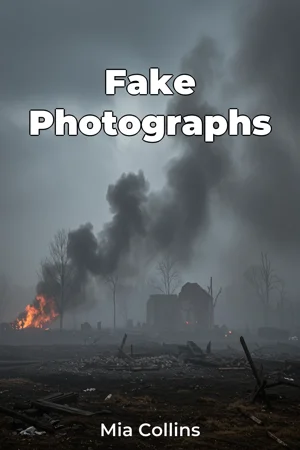
Have you ever stopped to consider how much of what you see in photographs is actually true? "Fake Photographs" delves into the unsettling history of image manipulation, exposing how staged, altered, and deceptively presented photographs have consistently misled the public and reshaped our understanding of the past. This book examines the far-reaching consequences of photographic deception and seeks to provide readers with the critical tools necessary to analyze images with a discerning eye. This book tackles three key interconnected themes: the evolution of photographic manipulation techniques from darkroom trickery to advanced digital editing, the motivations and contexts behind the creation of fake photographs including propaganda, political gain, and artistic expression, and the impact of these deceptive images on historical narratives and collective memory. Understanding these topics is vital in an era saturated with images, where the line between reality and fabrication often blurs. We will begin by establishing the history of photography and its early perceived objectivity, contrasting this with the immediate emergence of techniques designed to alter or influence the content within the photographic frame. This context is crucial for grasping how deeply ingrained image manipulation is within the medium itself. The central argument of "Fake Photographs" is that photographic manipulation is not a recent phenomenon but rather an inherent aspect of the medium, and its historical impact on shaping beliefs and influencing events is far more significant than generally acknowledged. By revealing the extent and consequences of photographic deception, this book aims to encourage a more critical and informed approach to visual media. The book will begin with an introduction to the basic principles of photography and image manipulation, covering both analog and digital methods. It will then proceed through a series of case studies, each focusing on a specific instance or type of photographic deception and its effect. Major sections include staged photographs from early war reportage, propaganda images used during major conflicts, and manipulated images designed to influence public opinion on social and political issues. The book will culminate in a discussion of the ethical responsibilities of photographers, editors, and viewers in the digital age, offering practical strategies for identifying and mitigating the influence of fake photographs. The arguments presented are supported by a combination of primary source analysis, including original photographs and accounts from the time periods in question, and secondary research from the fields of photography history, media studies, and political science. The book will also draw on forensic image analysis techniques to deconstruct specific examples of photographic manipulation. "Fake Photographs" also connects meaningfully to the fields of journalism, political science, and art history. Journalism's reliance on photographic evidence makes understanding manipulation crucial for accurate reporting. Political science benefits from understanding how images are used as tools of propaganda and persuasion. Art history gains a richer perspective by examining the intent and context surrounding manipulated images presented as art. What distinguishes this book is its synthesis of historical analysis and practical techniques for identifying image manipulation. It moves beyond simply showcasing examples of fake photographs to provide a framework for understanding their creation, dissemination, and impact. Written in a clear and accessible style, the book aims to engage a broad audience, from general readers interested in photography and history to students and researchers in related fields. It avoids technical jargon and presents complex ideas in an easy-to-understand manner. "Fake Photographs" is aimed towards a broad readership, including photography enthusiasts, history buffs, media literacy advocates, and anyone seeking a deeper understanding of how images shape our perceptions. The book will be valuable to anyone looking to develop critical thinking skills in an image-driven world. As a work of non-fiction, the book adheres to principles of accuracy, objectivity, and thorough research. It presents a balanced perspective on the topic, acknowledging the complexities and nuances of photographic manipulation. The book's scope is intentionally broad, covering a range of historical periods and geographical locations to demonstrate the pervasive nature of photographic deception, while it does not delve into the technical intricacies of digital forensics. It is focused more on the historical and societal impacts. Readers can apply the insights gained from "Fake Photographs" to their daily lives by becoming more critical consumers of visual information. This includes questioning the authenticity of images they encounter online, in the news, and in advertising. The book will also address ongoing debates surrounding the ethics of photojournalism, the role of social media in spreading misinformation, and the legal implications of image manipulation.
Have you ever stopped to consider how much of what you see in photographs is actually true? "Fake Photographs" delves into the unsettling history of image manipulation, exposing how staged, altered, and deceptively presented photographs have consistently misled the public and reshaped our understanding of the past. This book examines the far-reaching consequences of photographic deception and seeks to provide readers with the critical tools necessary to analyze images with a discerning eye. This book tackles three key interconnected themes: the evolution of photographic manipulation techniques from darkroom trickery to advanced digital editing, the motivations and contexts behind the creation of fake photographs including propaganda, political gain, and artistic expression, and the impact of these deceptive images on historical narratives and collective memory. Understanding these topics is vital in an era saturated with images, where the line between reality and fabrication often blurs. We will begin by establishing the history of photography and its early perceived objectivity, contrasting this with the immediate emergence of techniques designed to alter or influence the content within the photographic frame. This context is crucial for grasping how deeply ingrained image manipulation is within the medium itself. The central argument of "Fake Photographs" is that photographic manipulation is not a recent phenomenon but rather an inherent aspect of the medium, and its historical impact on shaping beliefs and influencing events is far more significant than generally acknowledged. By revealing the extent and consequences of photographic deception, this book aims to encourage a more critical and informed approach to visual media. The book will begin with an introduction to the basic principles of photography and image manipulation, covering both analog and digital methods. It will then proceed through a series of case studies, each focusing on a specific instance or type of photographic deception and its effect. Major sections include staged photographs from early war reportage, propaganda images used during major conflicts, and manipulated images designed to influence public opinion on social and political issues. The book will culminate in a discussion of the ethical responsibilities of photographers, editors, and viewers in the digital age, offering practical strategies for identifying and mitigating the influence of fake photographs. The arguments presented are supported by a combination of primary source analysis, including original photographs and accounts from the time periods in question, and secondary research from the fields of photography history, media studies, and political science. The book will also draw on forensic image analysis techniques to deconstruct specific examples of photographic manipulation. "Fake Photographs" also connects meaningfully to the fields of journalism, political science, and art history. Journalism's reliance on photographic evidence makes understanding manipulation crucial for accurate reporting. Political science benefits from understanding how images are used as tools of propaganda and persuasion. Art history gains a richer perspective by examining the intent and context surrounding manipulated images presented as art. What distinguishes this book is its synthesis of historical analysis and practical techniques for identifying image manipulation. It moves beyond simply showcasing examples of fake photographs to provide a framework for understanding their creation, dissemination, and impact. Written in a clear and accessible style, the book aims to engage a broad audience, from general readers interested in photography and history to students and researchers in related fields. It avoids technical jargon and presents complex ideas in an easy-to-understand manner. "Fake Photographs" is aimed towards a broad readership, including photography enthusiasts, history buffs, media literacy advocates, and anyone seeking a deeper understanding of how images shape our perceptions. The book will be valuable to anyone looking to develop critical thinking skills in an image-driven world. As a work of non-fiction, the book adheres to principles of accuracy, objectivity, and thorough research. It presents a balanced perspective on the topic, acknowledging the complexities and nuances of photographic manipulation. The book's scope is intentionally broad, covering a range of historical periods and geographical locations to demonstrate the pervasive nature of photographic deception, while it does not delve into the technical intricacies of digital forensics. It is focused more on the historical and societal impacts. Readers can apply the insights gained from "Fake Photographs" to their daily lives by becoming more critical consumers of visual information. This includes questioning the authenticity of images they encounter online, in the news, and in advertising. The book will also address ongoing debates surrounding the ethics of photojournalism, the role of social media in spreading misinformation, and the legal implications of image manipulation.
"Fake Photographs" explores the long and often deceptive history of image manipulation, revealing how altered and staged photographs have shaped public perception and historical narratives. From early darkroom trickery to modern digital editing, the book uncovers the motivations behind photographic deception, examining instances of propaganda, political manipulation, and artistic expression. One might be surprised to learn how early war reportage was often staged, or how deeply ingrained image manipulation is within the medium itself. The book progresses through case studies, analyzing specific instances of photographic deception, including propaganda images and manipulated media influencing public opinion. It emphasizes that photographic manipulation is not a recent phenomenon but an inherent aspect of the medium itself. By blending historical analysis with practical techniques for identifying image manipulation, the book provides readers with the critical tools to navigate the complexities of visual media and encourages a more informed approach to the images we consume daily. Ultimately, "Fake Photographs" provides a framework for understanding the creation, dissemination, and impact of manipulated images. It culminates in a discussion of ethical responsibilities in the digital age, addressing the roles of photographers, editors, and viewers in mitigating the influence of fake photographs. The book aims to empower readers to become more critical consumers of visual information, questioning the authenticity of images encountered online and in various media.
Book Details
ISBN
9788235218032
Publisher
Publifye AS
Your Licenses
You don't own any licenses for this book
Purchase a license below to unlock this book and download the EPUB.
Purchase License
Select a tier to unlock this book
Need bulk licensing?
Contact us for enterprise agreements.