
About This Book
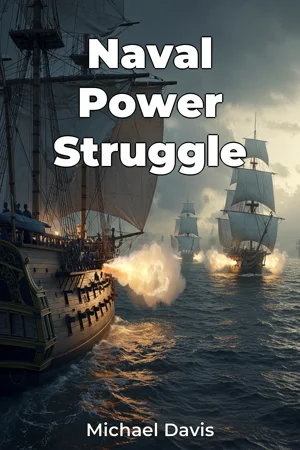
How did Britain secure its global dominance in the age of revolution, and what role did its naval power play in overcoming France’s maritime ambitions? "Naval Power Struggle" delves into the complex and often brutal relationship between the British and French navies from the late 18th to the early 19th centuries. This book examines the period's fleet compositions, strategic objectives, and the decisive engagements that shaped the balance of power. Understanding this era is crucial because it laid the foundation for Britain's imperial reach and influenced the development of modern naval strategy. At the heart of this narrative is the central argument that British naval supremacy, while seemingly inevitable in retrospect, was the product of sustained investment, tactical innovation, and a degree of good fortune in overcoming significant French maritime challenges. This book challenges simplistic views of British dominance by highlighting the very real threats posed by the French navy and the constant adaptations required to maintain superiority. This study begins with an examination of the state of the British and French navies in the pre-revolutionary period, detailing fleet size, ship design, and the socio-economic factors that influenced naval manpower. It proceeds by analyzing key strategic objectives for both nations, focusing on trade routes, colonial possessions, and control of vital sea lanes. We explore pivotal engagements, such as the Glorious First of June, the Battle of the Nile, and Trafalgar, dissecting the tactical decisions, technological advantages, and leadership qualities that determined their outcomes. The culmination of the argument demonstrates how British naval power directly contributed to France's continental defeat and Britain's subsequent global hegemony. The evidence presented is drawn from extensive archival research, including official naval records, private correspondence of naval officers, ship logs, and contemporary accounts. Furthermore, the study incorporates detailed analysis of ship designs, armament, and naval tactics, offering a comprehensive understanding of the technological and strategic landscape. This historical analysis also connects to other fields such as economics, political science, and sociology. The economic impact of naval blockades, the political ramifications of naval victories, and the social structures within naval fleets are all considered. This interdisciplinary approach enriches the narrative and provides a more holistic understanding of the era. "Naval Power Struggle" adopts a rigorous, academic tone while striving for clarity and accessibility. It is intended for naval history enthusiasts, military historians, students of international relations, and anyone interested in the dynamics of power during the age of revolutions. This book fills a gap by providing a comprehensive yet detailed analysis of naval warfare during this transformative period. The scope of the book is limited to the naval dimensions of the Anglo-French rivalry during the revolutionary and Napoleonic eras. While acknowledging the importance of land campaigns and diplomatic maneuvering, the focus remains firmly on the sea. The struggles and strategies described in "Naval Power Struggle" offer valuable insights into contemporary geopolitical challenges. The book highlights the enduring importance of naval power in securing national interests and maintaining global stability, providing relevant lessons for policymakers and military strategists alike. While the period was marked by distinct political and social conditions, the core dynamics of naval competition remain relevant in understanding modern maritime strategy and international relations.
How did Britain secure its global dominance in the age of revolution, and what role did its naval power play in overcoming France’s maritime ambitions? "Naval Power Struggle" delves into the complex and often brutal relationship between the British and French navies from the late 18th to the early 19th centuries. This book examines the period's fleet compositions, strategic objectives, and the decisive engagements that shaped the balance of power. Understanding this era is crucial because it laid the foundation for Britain's imperial reach and influenced the development of modern naval strategy. At the heart of this narrative is the central argument that British naval supremacy, while seemingly inevitable in retrospect, was the product of sustained investment, tactical innovation, and a degree of good fortune in overcoming significant French maritime challenges. This book challenges simplistic views of British dominance by highlighting the very real threats posed by the French navy and the constant adaptations required to maintain superiority. This study begins with an examination of the state of the British and French navies in the pre-revolutionary period, detailing fleet size, ship design, and the socio-economic factors that influenced naval manpower. It proceeds by analyzing key strategic objectives for both nations, focusing on trade routes, colonial possessions, and control of vital sea lanes. We explore pivotal engagements, such as the Glorious First of June, the Battle of the Nile, and Trafalgar, dissecting the tactical decisions, technological advantages, and leadership qualities that determined their outcomes. The culmination of the argument demonstrates how British naval power directly contributed to France's continental defeat and Britain's subsequent global hegemony. The evidence presented is drawn from extensive archival research, including official naval records, private correspondence of naval officers, ship logs, and contemporary accounts. Furthermore, the study incorporates detailed analysis of ship designs, armament, and naval tactics, offering a comprehensive understanding of the technological and strategic landscape. This historical analysis also connects to other fields such as economics, political science, and sociology. The economic impact of naval blockades, the political ramifications of naval victories, and the social structures within naval fleets are all considered. This interdisciplinary approach enriches the narrative and provides a more holistic understanding of the era. "Naval Power Struggle" adopts a rigorous, academic tone while striving for clarity and accessibility. It is intended for naval history enthusiasts, military historians, students of international relations, and anyone interested in the dynamics of power during the age of revolutions. This book fills a gap by providing a comprehensive yet detailed analysis of naval warfare during this transformative period. The scope of the book is limited to the naval dimensions of the Anglo-French rivalry during the revolutionary and Napoleonic eras. While acknowledging the importance of land campaigns and diplomatic maneuvering, the focus remains firmly on the sea. The struggles and strategies described in "Naval Power Struggle" offer valuable insights into contemporary geopolitical challenges. The book highlights the enduring importance of naval power in securing national interests and maintaining global stability, providing relevant lessons for policymakers and military strategists alike. While the period was marked by distinct political and social conditions, the core dynamics of naval competition remain relevant in understanding modern maritime strategy and international relations.
"Naval Power Struggle" explores the intense maritime rivalry between Britain and France from the late 18th to the early 19th centuries, a period crucial for understanding Britain's rise to global dominance. The book argues that British naval supremacy wasn't inevitable, but rather the result of continuous investment, tactical advancements, and a bit of luck in overcoming significant French maritime challenges. It challenges the notion of easy British dominance by showcasing the genuine threats posed by the French navy and the constant adaptations required to maintain superiority. This detailed exploration of naval warfare during the Age of Revolution provides valuable insights into the dynamics of power and the importance of sea power. The book begins by examining the state of both navies before the revolution, detailing fleet sizes and ship designs. It then analyzes the strategic objectives of each nation, such as controlling trade routes and colonial possessions, and dissects pivotal naval battles like the Battle of the Nile and Trafalgar. Drawing from extensive archival research including naval records and ship logs, this study connects naval history to economics, political science, and sociology for a holistic view. The culmination demonstrates how British naval power directly impacted France's continental defeat and Britain's subsequent global hegemony.
Book Details
ISBN
9788235217790
Publisher
Publifye AS
Your Licenses
You don't own any licenses for this book
Purchase a license below to unlock this book and download the EPUB.
Purchase License
Select a tier to unlock this book
Need bulk licensing?
Contact us for enterprise agreements.