
About This Book
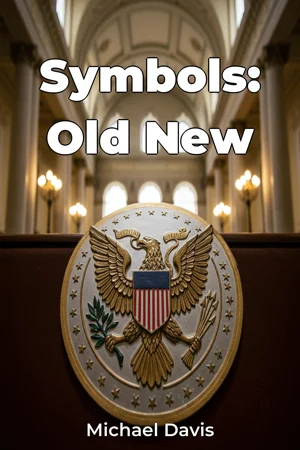
How does a society reinvent itself after revolution? "Symbols: Old New" examines the deliberate and often contentious process by which revolutionary societies replace monarchical and established imagery with new symbols representing emergent national identities and political ideals. This book engages with the fundamental question of how visual culture shapes and reflects political transformation, exploring the conscious effort involved in constructing new flags, seals, festivals, and monuments. The creation of national symbols is more than just a superficial change; it represents a profound shift in collective memory, values, and allegiance. This study is crucial because it sheds light on the ways nations actively forge their identities, particularly in the wake of radical political upheaval. Understanding symbol creation is vital for grasping the underlying power dynamics and ideological conflicts that define revolutionary periods. The analysis connects directly with contemporary debates about national identity, cultural heritage, and the role of visual representation in shaping political landscapes. The book provides a historical lens through which to understand current events involving iconoclasm, the removal of statues, and the controversies surrounding national symbols. The book unfolds against a backdrop of profound historical and political transformations. It requires some understanding of major revolutions, such as the French Revolution, the American Revolution, and various 19th-century nationalistic movements. Familiarity with the concept of nation-states and basic political ideologies (e.g., republicanism, liberalism) is also helpful. The central argument of "Symbols: Old New" is that the deliberate creation and manipulation of national symbols are essential tools for consolidating revolutionary power and constructing new collective identities. The book demonstrates how revolutionary leaders strategically dismantled old symbols of authority and replaced them with new visual representations designed to inspire allegiance to the new order. This process, however, is never seamless or uncontested; it often involves negotiation, compromise, and even violent clashes between competing visions of national identity. The book is structured to first introduce the theoretical frameworks for understanding symbols, rituals, and national identity. The study then examines the deliberate destruction of existing imagery, such as royal portraits, coats of arms, and religious icons, illustrating how their removal served to delegitimize the old regime. The core of the book focuses on the design and implementation of new national symbols. Subsequent chapters explore specific case studies focusing on flag design and what it represented, the invention of national holidays and festivals, the construction of monuments, and the creation of national seals. The book culminates with an analysis of how successful these symbolic transformations were in fostering national unity, as well as the unintended consequences and ongoing debates surrounding these new symbols. The arguments presented are supported by a wide range of primary sources, including government decrees, official records, festival programs, architectural plans, and visual representations of flags, monuments, and seals. The research also draws on secondary scholarship from history, art history, political science, and cultural studies. The book employs interdisciplinary methodologies, combining historical analysis with semiotics, art historical interpretation, and political theory. "Symbols: Old New" bridges several academic disciplines. It connects to art history by analyzing the visual aesthetics and symbolic meanings of national emblems. It relates to political science by exploring the role of symbols in shaping political legitimacy and national allegiance. It intersects with cultural studies by examining the cultural construction of national identity through rituals, traditions, and collective memory. These interdisciplinary connections broaden the book’s scope and enrich its analysis. The book offers a fresh perspective by focusing on the agency of revolutionary actors in consciously engineering new national symbols. It moves beyond simply describing the symbols themselves to analyzing the political motivations, design processes, and social impacts of their creation. The writing style is academic, precise, and well-documented, but also accessible to a broad readership interested in history, politics, and visual culture. While maintaining scholarly rigor, the book avoids jargon and presents complex ideas in a clear and engaging manner. "Symbols: Old New" appeals to scholars and students of history, political science, art history, and cultural studies. It also targets general readers interested in the history of revolutions, national identity, and the power of symbols. The book deliberately focuses on the creation of national symbols in the context of political revolutions, setting aside other areas like corporate branding or religious symbolism, to allow for a more in-depth study of the chosen subject. The lessons learned from the creation of national symbols in past revolutions have direct applications in contemporary society. Understanding how symbols are used to construct national identity can inform debates about immigration, cultural integration, and the preservation of cultural heritage. This understanding is also valuable for policymakers, activists, and artists seeking to shape public opinion and promote social change. The book engages with ongoing debates about the interpretation of national symbols, the representation of marginalized groups, and the legacy of colonialism. It acknowledges the contested nature of national identity and the potential for symbols to be both unifying and divisive.
How does a society reinvent itself after revolution? "Symbols: Old New" examines the deliberate and often contentious process by which revolutionary societies replace monarchical and established imagery with new symbols representing emergent national identities and political ideals. This book engages with the fundamental question of how visual culture shapes and reflects political transformation, exploring the conscious effort involved in constructing new flags, seals, festivals, and monuments. The creation of national symbols is more than just a superficial change; it represents a profound shift in collective memory, values, and allegiance. This study is crucial because it sheds light on the ways nations actively forge their identities, particularly in the wake of radical political upheaval. Understanding symbol creation is vital for grasping the underlying power dynamics and ideological conflicts that define revolutionary periods. The analysis connects directly with contemporary debates about national identity, cultural heritage, and the role of visual representation in shaping political landscapes. The book provides a historical lens through which to understand current events involving iconoclasm, the removal of statues, and the controversies surrounding national symbols. The book unfolds against a backdrop of profound historical and political transformations. It requires some understanding of major revolutions, such as the French Revolution, the American Revolution, and various 19th-century nationalistic movements. Familiarity with the concept of nation-states and basic political ideologies (e.g., republicanism, liberalism) is also helpful. The central argument of "Symbols: Old New" is that the deliberate creation and manipulation of national symbols are essential tools for consolidating revolutionary power and constructing new collective identities. The book demonstrates how revolutionary leaders strategically dismantled old symbols of authority and replaced them with new visual representations designed to inspire allegiance to the new order. This process, however, is never seamless or uncontested; it often involves negotiation, compromise, and even violent clashes between competing visions of national identity. The book is structured to first introduce the theoretical frameworks for understanding symbols, rituals, and national identity. The study then examines the deliberate destruction of existing imagery, such as royal portraits, coats of arms, and religious icons, illustrating how their removal served to delegitimize the old regime. The core of the book focuses on the design and implementation of new national symbols. Subsequent chapters explore specific case studies focusing on flag design and what it represented, the invention of national holidays and festivals, the construction of monuments, and the creation of national seals. The book culminates with an analysis of how successful these symbolic transformations were in fostering national unity, as well as the unintended consequences and ongoing debates surrounding these new symbols. The arguments presented are supported by a wide range of primary sources, including government decrees, official records, festival programs, architectural plans, and visual representations of flags, monuments, and seals. The research also draws on secondary scholarship from history, art history, political science, and cultural studies. The book employs interdisciplinary methodologies, combining historical analysis with semiotics, art historical interpretation, and political theory. "Symbols: Old New" bridges several academic disciplines. It connects to art history by analyzing the visual aesthetics and symbolic meanings of national emblems. It relates to political science by exploring the role of symbols in shaping political legitimacy and national allegiance. It intersects with cultural studies by examining the cultural construction of national identity through rituals, traditions, and collective memory. These interdisciplinary connections broaden the book’s scope and enrich its analysis. The book offers a fresh perspective by focusing on the agency of revolutionary actors in consciously engineering new national symbols. It moves beyond simply describing the symbols themselves to analyzing the political motivations, design processes, and social impacts of their creation. The writing style is academic, precise, and well-documented, but also accessible to a broad readership interested in history, politics, and visual culture. While maintaining scholarly rigor, the book avoids jargon and presents complex ideas in a clear and engaging manner. "Symbols: Old New" appeals to scholars and students of history, political science, art history, and cultural studies. It also targets general readers interested in the history of revolutions, national identity, and the power of symbols. The book deliberately focuses on the creation of national symbols in the context of political revolutions, setting aside other areas like corporate branding or religious symbolism, to allow for a more in-depth study of the chosen subject. The lessons learned from the creation of national symbols in past revolutions have direct applications in contemporary society. Understanding how symbols are used to construct national identity can inform debates about immigration, cultural integration, and the preservation of cultural heritage. This understanding is also valuable for policymakers, activists, and artists seeking to shape public opinion and promote social change. The book engages with ongoing debates about the interpretation of national symbols, the representation of marginalized groups, and the legacy of colonialism. It acknowledges the contested nature of national identity and the potential for symbols to be both unifying and divisive.
"Symbols: Old New" explores how societies intentionally craft national symbols after revolutions to represent new identities and political ideals. It delves into the creation of flags, monuments, and national seals, revealing how visual culture shapes political transformation. The book highlights that this process is not merely superficial; it signifies a fundamental shift in collective memory and values, reflecting a conscious effort to establish a new national identity. The book examines the deliberate destruction of old symbols and the subsequent design of new ones, showing how revolutionary leaders used these tools to consolidate power. For example, creating national flags to inspire allegiance. The concept of iconoclasm is key, illustrating how removing old symbols delegitimized the previous regime. The book underscores the power dynamics and ideological conflicts inherent in these transformations, which often involve negotiation and compromise. The book progresses from theoretical frameworks to case studies of flag design, national holidays, monuments, and seals. It analyzes the success of these symbols in fostering national unity and addresses the ongoing debates surrounding them. By focusing on the agency of revolutionary actors, "Symbols: Old New" provides a fresh perspective on how national identities are constructed and contested through visual representation.
Book Details
ISBN
9788235217677
Publisher
Publifye AS
Your Licenses
You don't own any licenses for this book
Purchase a license below to unlock this book and download the EPUB.
Purchase License
Select a tier to unlock this book
Need bulk licensing?
Contact us for enterprise agreements.