
About This Book
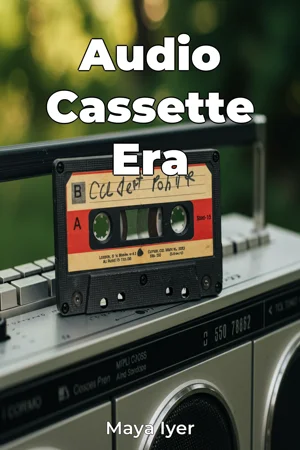
Remember mixtapes? Before streaming services and digital downloads, the compact audio cassette reigned supreme. "Audio Cassette Era" explores the history of this ubiquitous technology, tracing its evolution from a dictation device to a cornerstone of music culture and, ultimately, its decline in the face of digital alternatives. This book examines not only the technological advancements that shaped the cassette but also its profound social and cultural impact. The core argument of "Audio Cassette Era" is that the compact cassette's impact extends far beyond its technical specifications. It democratized music consumption and creation, fostering a culture of sharing, remixing, and personal expression that continues to resonate today. The book’s central thesis posits that the cassette acted as a pivotal bridge between the analog past and the digital future of music. "Audio Cassette Era" begins with the cassette's introduction by Philips in 1963, initially marketed for dictation and portable recording. The first section details the early limitations of the technology – poor sound quality and unreliable mechanisms – and the subsequent engineering improvements that gradually transformed it into a viable medium for music. We explore the development of better tape formulations (chromium dioxide, metal particle), Dolby noise reduction, and improved tape heads, all of which contributed to the cassette's audio fidelity. The second major section delves into the cassette's cultural explosion in the 1970s and 1980s. It examines the rise of the Walkman and other portable cassette players, which revolutionized music consumption, making it a personal and mobile experience. The book dedicates chapters to the mixtape phenomenon, analyzing its role in social bonding, personal expression, and the dissemination of underground and independent music. Detailed case studies of specific artists and genres that thrived on the cassette format will be presented, illustrating the medium's influence on musical creativity and distribution. The third section charts the cassette's decline, examining the challenges posed by the emergence of the compact disc and, later, digital audio formats like MP3s and streaming services. It analyzes the factors that contributed to the cassette's obsolescence, including its inherent limitations (tape degradation, mechanical unreliability) and the superior convenience and sound quality of digital media. We look at the impact of file-sharing services and the iPod, analyzing how these technologies reshaped the way people access and consume music. Evidence presented throughout the book will draw upon archival materials, technical specifications, industry reports, and interviews with engineers, musicians, and cultural commentators. Oral histories and anecdotes from ordinary users will enrich the narrative, offering a personal perspective on the cassette's cultural significance. The book also connects to fields such as media studies, cultural history, and engineering. By examining the cassette's influence on the music industry, social interactions, and technological innovation, it offers a holistic understanding of its place in modern history. The unique perspective offered is a comprehensive deep-dive into the technology itself as well as the cultural phenomenon it created. The tone of "Audio Cassette Era" balances technical accuracy with engaging storytelling. The book employs a narrative non-fiction approach, making complex technical information accessible to a broad audience while maintaining scholarly rigor. The target audience includes music enthusiasts, technology buffs, cultural historians, and anyone who remembers (or is curious about) the cassette era. It offers valuable insights into the evolution of music technology, the dynamics of cultural change, and the enduring power of analog media in a digital world. The scope of the book is limited to the audio cassette and does not delve into video cassettes or other magnetic tape formats extensively. This focus allows for a thorough exploration of the cassette's unique characteristics and cultural impact. While the cassette tape is no longer the dominant medium, a resurgence is occurring amongst niche communities, which "Audio Cassette Era" will also explore. Musicians and listeners are embracing its unique sonic qualities and the tactile experience it provides, keeping its legacy alive.
Remember mixtapes? Before streaming services and digital downloads, the compact audio cassette reigned supreme. "Audio Cassette Era" explores the history of this ubiquitous technology, tracing its evolution from a dictation device to a cornerstone of music culture and, ultimately, its decline in the face of digital alternatives. This book examines not only the technological advancements that shaped the cassette but also its profound social and cultural impact. The core argument of "Audio Cassette Era" is that the compact cassette's impact extends far beyond its technical specifications. It democratized music consumption and creation, fostering a culture of sharing, remixing, and personal expression that continues to resonate today. The book’s central thesis posits that the cassette acted as a pivotal bridge between the analog past and the digital future of music. "Audio Cassette Era" begins with the cassette's introduction by Philips in 1963, initially marketed for dictation and portable recording. The first section details the early limitations of the technology – poor sound quality and unreliable mechanisms – and the subsequent engineering improvements that gradually transformed it into a viable medium for music. We explore the development of better tape formulations (chromium dioxide, metal particle), Dolby noise reduction, and improved tape heads, all of which contributed to the cassette's audio fidelity. The second major section delves into the cassette's cultural explosion in the 1970s and 1980s. It examines the rise of the Walkman and other portable cassette players, which revolutionized music consumption, making it a personal and mobile experience. The book dedicates chapters to the mixtape phenomenon, analyzing its role in social bonding, personal expression, and the dissemination of underground and independent music. Detailed case studies of specific artists and genres that thrived on the cassette format will be presented, illustrating the medium's influence on musical creativity and distribution. The third section charts the cassette's decline, examining the challenges posed by the emergence of the compact disc and, later, digital audio formats like MP3s and streaming services. It analyzes the factors that contributed to the cassette's obsolescence, including its inherent limitations (tape degradation, mechanical unreliability) and the superior convenience and sound quality of digital media. We look at the impact of file-sharing services and the iPod, analyzing how these technologies reshaped the way people access and consume music. Evidence presented throughout the book will draw upon archival materials, technical specifications, industry reports, and interviews with engineers, musicians, and cultural commentators. Oral histories and anecdotes from ordinary users will enrich the narrative, offering a personal perspective on the cassette's cultural significance. The book also connects to fields such as media studies, cultural history, and engineering. By examining the cassette's influence on the music industry, social interactions, and technological innovation, it offers a holistic understanding of its place in modern history. The unique perspective offered is a comprehensive deep-dive into the technology itself as well as the cultural phenomenon it created. The tone of "Audio Cassette Era" balances technical accuracy with engaging storytelling. The book employs a narrative non-fiction approach, making complex technical information accessible to a broad audience while maintaining scholarly rigor. The target audience includes music enthusiasts, technology buffs, cultural historians, and anyone who remembers (or is curious about) the cassette era. It offers valuable insights into the evolution of music technology, the dynamics of cultural change, and the enduring power of analog media in a digital world. The scope of the book is limited to the audio cassette and does not delve into video cassettes or other magnetic tape formats extensively. This focus allows for a thorough exploration of the cassette's unique characteristics and cultural impact. While the cassette tape is no longer the dominant medium, a resurgence is occurring amongst niche communities, which "Audio Cassette Era" will also explore. Musicians and listeners are embracing its unique sonic qualities and the tactile experience it provides, keeping its legacy alive.
"Audio Cassette Era" explores the remarkable journey of the compact audio cassette, from its humble beginnings as a dictation tool to its reign as a dominant force in music culture. This book unveils the technology's evolution, highlighting its impact on music consumption, personal expression, and the broader cultural landscape. The cassette democratized music, empowering users to create mixtapes – personalized compilations that fostered social connections and showcased individual tastes. It also revolutionized portability with the advent of the Walkman, transforming how people experienced music on the go. The book meticulously charts the cassette's lifespan, beginning with its introduction in 1963 and tracing its technological advancements, such as improved tape formulations and noise reduction techniques. It delves into the cultural explosion of the 1970s and 1980s, examining the mixtape phenomenon and the cassette's role in disseminating independent music. The narrative also addresses the cassette's eventual decline due to the rise of digital formats like CDs and MP3s. Through archival materials, industry reports, and personal anecdotes, "Audio Cassette Era" provides a comprehensive look at a technology that shaped a generation. The book balances technical details with engaging storytelling, making it accessible to music enthusiasts, technology buffs, and cultural historians alike. By examining the cassette's influence on the music industry, social interactions, and technological innovation, "Audio Cassette Era" offers a holistic understanding of its place in modern history, while also acknowledging its modern resurgence in niche communities.
Book Details
ISBN
9788235217493
Publisher
Publifye AS
Your Licenses
You don't own any licenses for this book
Purchase a license below to unlock this book and download the EPUB.
Purchase License
Select a tier to unlock this book
Need bulk licensing?
Contact us for enterprise agreements.