
About This Book
Have you ever questioned the romanticized stories surrounding history’s most celebrated painters? "Painter Myths" delves into the captivating yet often distorted narratives that have shaped our understanding of iconic artists and their masterpieces. This book tackles two primary themes: the deconstruction of pervasive myths surrounding famous painters and the exploration of how these myths influence our perception of art history. By examining these themes, we aim to provide a more accurate and nuanced understanding of these artists and their work. The importance of this lies in separating historical truth from popular fiction, enabling a richer and more informed appreciation of art and its creators. We begin by establishing a historical context, examining the social and cultural conditions that gave rise to these myths. This includes understanding the role of early biographers, art critics, and popular culture in shaping these narratives. No specialized knowledge is presumed; all necessary background information will be provided. The central argument of "Painter Myths" is that many commonly held beliefs about celebrated painters are not rooted in fact but are instead carefully constructed narratives that serve various cultural and historical purposes. By debunking these myths, we can achieve a more objective and comprehensive view of the artists and their contributions to the art world. The book is structured in three parts. Part one introduces the concept of art myths and their origins, offering a critical framework for analyzing these narratives. Part two examines specific case studies of famous painters, dissecting the myths surrounding figures such as Van Gogh, Caravaggio, and Frida Kahlo. We dedicate a chapter to each artist, systematically comparing the mythical elements to documented historical evidence. Part three discusses the broader implications of these myths, exploring their impact on art education, museum interpretations, and popular culture. The book culminates in a discussion about ways in which history can learn from the past and avoid myth perpetuation. To support our arguments, we draw upon a wide range of primary and secondary sources, including artists' letters, contemporary reviews, historical records, and scholarly analyses. Furthermore, the authors analyze trends in modern media that contribute to, or challenge, these myths. This book intersects with several other fields, including history, sociology, and media studies. By examining the social and cultural forces that shape our understanding of art, we offer insights that extend beyond the realm of art history. "Painter Myths" adopts a rigorous yet accessible approach, presenting information in a clear and engaging manner. The tone is scholarly but avoids excessive jargon, making it suitable for both academic and general audiences. The target audience includes art enthusiasts, students, educators, and anyone interested in the intersection of art, history, and popular culture. The book will be invaluable for anyone seeking a deeper and more informed understanding of art history, free from the distortions of romanticized myths. As a work of fact-based, non-fiction, "Painter Myths" adheres to the genre's conventions by prioritizing accuracy, objectivity, and thorough research. While the book covers a wide range of artists and myths, it is not intended to be an exhaustive encyclopedia. Instead, we focus on the most prevalent and influential narratives, providing in-depth analyses of selected case studies. The information presented in "Painter Myths" has practical applications for art educators, museum curators, and anyone involved in communicating about art to the public. By understanding the origins and impact of art myths, we can promote more accurate and nuanced representations of artists and their work. Throughout art history, there are ongoing debates about the interpretation of artists' lives and intentions. This work addresses these debates by providing a fact-based perspective on the myths that often dominate these discussions. "Painter Myths" seeks to contribute to a more informed conversation about the history of art, based on evidence rather than speculation.
Have you ever questioned the romanticized stories surrounding history’s most celebrated painters? "Painter Myths" delves into the captivating yet often distorted narratives that have shaped our understanding of iconic artists and their masterpieces. This book tackles two primary themes: the deconstruction of pervasive myths surrounding famous painters and the exploration of how these myths influence our perception of art history. By examining these themes, we aim to provide a more accurate and nuanced understanding of these artists and their work. The importance of this lies in separating historical truth from popular fiction, enabling a richer and more informed appreciation of art and its creators. We begin by establishing a historical context, examining the social and cultural conditions that gave rise to these myths. This includes understanding the role of early biographers, art critics, and popular culture in shaping these narratives. No specialized knowledge is presumed; all necessary background information will be provided. The central argument of "Painter Myths" is that many commonly held beliefs about celebrated painters are not rooted in fact but are instead carefully constructed narratives that serve various cultural and historical purposes. By debunking these myths, we can achieve a more objective and comprehensive view of the artists and their contributions to the art world. The book is structured in three parts. Part one introduces the concept of art myths and their origins, offering a critical framework for analyzing these narratives. Part two examines specific case studies of famous painters, dissecting the myths surrounding figures such as Van Gogh, Caravaggio, and Frida Kahlo. We dedicate a chapter to each artist, systematically comparing the mythical elements to documented historical evidence. Part three discusses the broader implications of these myths, exploring their impact on art education, museum interpretations, and popular culture. The book culminates in a discussion about ways in which history can learn from the past and avoid myth perpetuation. To support our arguments, we draw upon a wide range of primary and secondary sources, including artists' letters, contemporary reviews, historical records, and scholarly analyses. Furthermore, the authors analyze trends in modern media that contribute to, or challenge, these myths. This book intersects with several other fields, including history, sociology, and media studies. By examining the social and cultural forces that shape our understanding of art, we offer insights that extend beyond the realm of art history. "Painter Myths" adopts a rigorous yet accessible approach, presenting information in a clear and engaging manner. The tone is scholarly but avoids excessive jargon, making it suitable for both academic and general audiences. The target audience includes art enthusiasts, students, educators, and anyone interested in the intersection of art, history, and popular culture. The book will be invaluable for anyone seeking a deeper and more informed understanding of art history, free from the distortions of romanticized myths. As a work of fact-based, non-fiction, "Painter Myths" adheres to the genre's conventions by prioritizing accuracy, objectivity, and thorough research. While the book covers a wide range of artists and myths, it is not intended to be an exhaustive encyclopedia. Instead, we focus on the most prevalent and influential narratives, providing in-depth analyses of selected case studies. The information presented in "Painter Myths" has practical applications for art educators, museum curators, and anyone involved in communicating about art to the public. By understanding the origins and impact of art myths, we can promote more accurate and nuanced representations of artists and their work. Throughout art history, there are ongoing debates about the interpretation of artists' lives and intentions. This work addresses these debates by providing a fact-based perspective on the myths that often dominate these discussions. "Painter Myths" seeks to contribute to a more informed conversation about the history of art, based on evidence rather than speculation.
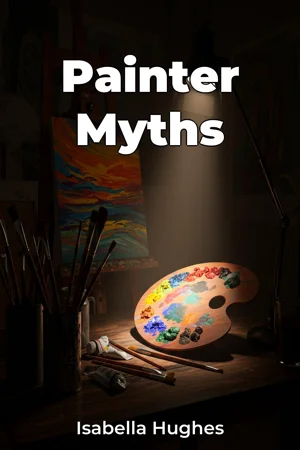
"Painter Myths" explores the captivating, often distorted, stories surrounding famous painters and their masterpieces. The book dissects pervasive myths that have shaped our understanding of iconic artists in art history, such as the notion of Van Gogh as the quintessential tortured artist, or the swashbuckling persona of Caravaggio. By deconstructing these narratives, the book aims to provide a more accurate appreciation of art and its creators, separating historical fact from popular fiction. The book begins by establishing a historical context, examining the social and cultural conditions that gave rise to these myths. It then delves into specific case studies, dedicating chapters to artists like Frida Kahlo, systematically comparing mythical elements to documented historical evidence. The final section discusses the broader implications of these painter myths, exploring their impact on art education, museum interpretations, and popular culture, advocating for a more informed and evidence-based conversation about art history.
Book Details
ISBN
9788235217400
Publisher
Publifye AS
Your Licenses
You don't own any licenses for this book
Purchase a license below to unlock this book and download the EPUB.
Purchase License
Select a tier to unlock this book
Need bulk licensing?
Contact us for enterprise agreements.