
About This Book
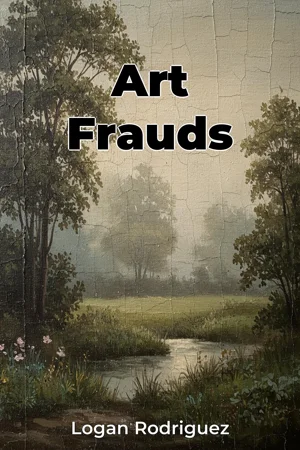
How can a single brushstroke trigger deception, bankrupt fortunes, and rewrite art history? "Art Frauds" plunges into the shadowy world of forged masterpieces, exposing the intricate web of corruption, greed, and calculated deceit that has plagued the art world for centuries. This book investigates not only the "how" of art forgery, but also the "why" – exploring the psychological vulnerabilities of collectors, the lapses in institutional oversight, and the systemic issues that allow these elaborate schemes to flourish. The book revolves around three central themes: the anatomy of forgery, the psychology of deception in the art market, and the consequences of these elaborate crimes. First, we dissect the techniques used by master forgers, from mimicking brushstrokes and sourcing antique canvases to concocting convincing provenance records. Second, we examine the minds of both the perpetrators and their victims, revealing the desires, biases, and blind spots that make even seasoned experts susceptible to deception. Finally, the book analyzes the far-reaching impact of art fraud, highlighting the damage it inflicts upon artists' legacies, museums' reputations, and the integrity of the art market as a whole. To understand the pervasive nature of art fraud, the book delves into the historical context of art collecting and connoisseurship. From the Renaissance obsession with classical sculpture to the modern-day frenzy for contemporary art, the market's insatiable demand for rare and valuable works has created fertile ground for forgery. The book explores the evolution of authentication methods, from reliance on expert opinion to the use of cutting-edge scientific techniques, and assesses the effectiveness of these approaches in combating increasingly sophisticated forgeries. "Art Frauds" argues that the art world's unique blend of subjective valuation, opaque transactions, and inherent trust creates a perfect storm for fraudulent activity. The book meticulously examines case studies of infamous art forgeries, presenting evidence gathered from court documents, expert testimonies, and investigative reports. It draws upon a range of sources, including archival material, scientific analyses of artworks, and interviews with art historians, conservators, and law enforcement officials. The book is structured to provide a comprehensive understanding of the subject. It begins with an overview of the history of art forgery and introduces the key players involved, from the most notorious forgers to the leading experts in authentication. Subsequent chapters delve into specific case studies, dissecting the methods used by forgers to create convincing fakes and examining the red flags that were missed by buyers and experts. The book also explores the legal and ethical implications of art fraud, discussing the challenges of prosecuting forgers and the responsibilities of art dealers and auction houses. This exploration of art crime connects to diverse fields such as criminology, psychology, and art history. It reveals patterns of criminal behavior, explores the psychology of deception and persuasion, and sheds light on the social and cultural forces that shape the art market. By adopting a multidisciplinary approach, "Art Frauds" offers a fresh perspective on a complex and fascinating subject. The book offers a valuable resource for art collectors, students, and anyone interested in the inner workings of the art world. It provides practical guidance on how to assess the authenticity of artworks and avoid becoming a victim of fraud. While the book exposes some of the art world's most closely guarded secrets, it stops short of providing a manual for would-be forgers, focusing instead on educating readers about the risks and warning signs of art fraud. The book addresses the ongoing debate about the role of expert opinion versus scientific analysis in authentication, exploring the limitations of both approaches and advocating for a more collaborative and transparent system. Written in a clear and engaging style, "Art Frauds" aims to be accessible to a broad audience. It avoids technical jargon and presents complex information in a straightforward and understandable manner, while honoring the genre conventions of true crime writing, ensuring accuracy and reliability. The book's scope is limited to high-profile cases of art forgery, focusing on works that have had a significant impact on the art market and public perception. However, it acknowledges that art fraud is a global problem and that the principles discussed in the book apply to a wide range of contexts. The information presented in the book can be applied practically by readers to assess the authenticity of artworks and avoid becoming victims of fraud.
How can a single brushstroke trigger deception, bankrupt fortunes, and rewrite art history? "Art Frauds" plunges into the shadowy world of forged masterpieces, exposing the intricate web of corruption, greed, and calculated deceit that has plagued the art world for centuries. This book investigates not only the "how" of art forgery, but also the "why" – exploring the psychological vulnerabilities of collectors, the lapses in institutional oversight, and the systemic issues that allow these elaborate schemes to flourish. The book revolves around three central themes: the anatomy of forgery, the psychology of deception in the art market, and the consequences of these elaborate crimes. First, we dissect the techniques used by master forgers, from mimicking brushstrokes and sourcing antique canvases to concocting convincing provenance records. Second, we examine the minds of both the perpetrators and their victims, revealing the desires, biases, and blind spots that make even seasoned experts susceptible to deception. Finally, the book analyzes the far-reaching impact of art fraud, highlighting the damage it inflicts upon artists' legacies, museums' reputations, and the integrity of the art market as a whole. To understand the pervasive nature of art fraud, the book delves into the historical context of art collecting and connoisseurship. From the Renaissance obsession with classical sculpture to the modern-day frenzy for contemporary art, the market's insatiable demand for rare and valuable works has created fertile ground for forgery. The book explores the evolution of authentication methods, from reliance on expert opinion to the use of cutting-edge scientific techniques, and assesses the effectiveness of these approaches in combating increasingly sophisticated forgeries. "Art Frauds" argues that the art world's unique blend of subjective valuation, opaque transactions, and inherent trust creates a perfect storm for fraudulent activity. The book meticulously examines case studies of infamous art forgeries, presenting evidence gathered from court documents, expert testimonies, and investigative reports. It draws upon a range of sources, including archival material, scientific analyses of artworks, and interviews with art historians, conservators, and law enforcement officials. The book is structured to provide a comprehensive understanding of the subject. It begins with an overview of the history of art forgery and introduces the key players involved, from the most notorious forgers to the leading experts in authentication. Subsequent chapters delve into specific case studies, dissecting the methods used by forgers to create convincing fakes and examining the red flags that were missed by buyers and experts. The book also explores the legal and ethical implications of art fraud, discussing the challenges of prosecuting forgers and the responsibilities of art dealers and auction houses. This exploration of art crime connects to diverse fields such as criminology, psychology, and art history. It reveals patterns of criminal behavior, explores the psychology of deception and persuasion, and sheds light on the social and cultural forces that shape the art market. By adopting a multidisciplinary approach, "Art Frauds" offers a fresh perspective on a complex and fascinating subject. The book offers a valuable resource for art collectors, students, and anyone interested in the inner workings of the art world. It provides practical guidance on how to assess the authenticity of artworks and avoid becoming a victim of fraud. While the book exposes some of the art world's most closely guarded secrets, it stops short of providing a manual for would-be forgers, focusing instead on educating readers about the risks and warning signs of art fraud. The book addresses the ongoing debate about the role of expert opinion versus scientific analysis in authentication, exploring the limitations of both approaches and advocating for a more collaborative and transparent system. Written in a clear and engaging style, "Art Frauds" aims to be accessible to a broad audience. It avoids technical jargon and presents complex information in a straightforward and understandable manner, while honoring the genre conventions of true crime writing, ensuring accuracy and reliability. The book's scope is limited to high-profile cases of art forgery, focusing on works that have had a significant impact on the art market and public perception. However, it acknowledges that art fraud is a global problem and that the principles discussed in the book apply to a wide range of contexts. The information presented in the book can be applied practically by readers to assess the authenticity of artworks and avoid becoming victims of fraud.
"Art Frauds" delves into the captivating world of art forgery, revealing the intricate schemes and deceptive practices that have plagued the art market for centuries. This exploration of art crime examines how forgers exploit vulnerabilities in the art world, targeting collectors and institutions alike. Discover how a single brushstroke can trigger deception, leading to bankrupt fortunes and rewritten art history. The book not only explores the techniques used to create convincing fakes, but also the psychological factors that make people susceptible to deception, even seasoned experts. The book dissects the anatomy of forgery, the psychology of deception, and the far-reaching consequences of art fraud. It investigates the motivations behind art crime, exploring the desires, biases, and blind spots that make collectors vulnerable. From mimicking brushstrokes to concocting convincing provenance records, the book examines the methods used by forgers to create convincing fakes. It progresses from the history of art forgery to specific case studies, dissecting the methods used by forgers and examining the red flags that were missed to provide the reader with an understanding of the subject. The book also explores the legal and ethical implications of art fraud.
Book Details
ISBN
9788235217394
Publisher
Publifye AS
Your Licenses
You don't own any licenses for this book
Purchase a license below to unlock this book and download the EPUB.
Purchase License
Select a tier to unlock this book
Need bulk licensing?
Contact us for enterprise agreements.