
About This Book
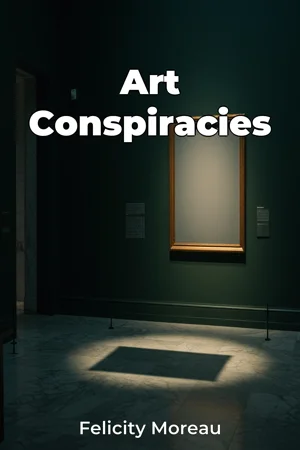
Have master artists embedded secret messages within their timeless works, and have valuable masterpieces vanished without a trace, only to fuel speculation and rumor? "Art Conspiracies" delves into the fascinating and often perplexing world of art history, not to sensationalize myths, but to critically examine the evidence and the circumstances surrounding some of art's most enduring mysteries. This book explores selected instances of artistic enigmas, focusing on intentional ambiguity, hidden symbolism, and unresolved disappearances that have captivated audiences for generations. These cases highlight how art, history, and culture intertwine to create compelling narratives that blur the lines between fact and speculation. The core of our investigation centers on three major themes: the interpretation of hidden symbols within renowned artworks, the plausibility of coded messages concealed by artists, and the circumstances surrounding the disappearances of significant paintings or sculptures throughout history. Each of these areas contributes to a broader understanding of how artworks can become focal points for speculation, prompting complex questions about artistic intent, historical context, and the value attributed to art itself. Understanding these themes requires delving into the historical periods in which the art was created, the social norms and belief systems that influenced the artists, and the established techniques used at the time. Knowledge of art historical methodologies, such as iconography and connoisseurship, will be valuable in assessing the claims and theories presented. The central argument of "Art Conspiracies" is that while many theories surrounding hidden meanings and lost art lack definitive proof, they reveal significant insights into the cultural anxieties, political climates, and artistic values of different eras. Examining these conspiracies allows us to explore the power of art to inspire intrigue, challenge established narratives, and reflect the collective imagination of society. The book unfolds in a structured manner. First, we lay the groundwork by introducing the concept of art as a vehicle for coded communication and symbolic expression. Next, we dedicate individual chapters to several famous cases. One chapter analyzes the symbolism within Leonardo da Vinci's "Last Supper," separating plausible interpretations from far-fetched claims. Another chapter investigates the disappearance of paintings like Caravaggio's "Nativity with St. Francis and St. Lawrence," exploring the various theories surrounding its theft and potential whereabouts. Finally, the book culminates by considering the broader implications of these art conspiracies: What do they tell us about our relationship with art, our desire for hidden knowledge, and our susceptibility to believing in the unbelievable? The evidence presented includes documented historical accounts, expert analyses of artistic techniques, forensic investigations of artwork provenance, and critical evaluations of existing scholarship. We also acknowledge and address alternative viewpoints and counterarguments surrounding each case. "Art Conspiracies" connects to several other fields of study, including cryptography (the study of codes and ciphers), sociology (understanding collective beliefs and behaviors), and psychology (exploring perception and biases). By drawing upon these disciplines, we gain a more nuanced understanding of why certain art conspiracies resonate so strongly with the public. Our approach is to present a balanced and critical examination of each case, avoiding sensationalism and prioritizing evidence-based analysis. The writing style aims to be accessible and engaging, making complex art historical concepts understandable for a broad audience. This book is intended for art enthusiasts, history buffs, and anyone intrigued by mysteries and unsolved cases. It provides a valuable resource for readers seeking a deeper understanding of the stories behind famous artworks and the cultural forces that shape their interpretation. As a work of non-fiction, "Art Conspiracies" adheres to the genre's conventions of factual accuracy, thorough research, and objective analysis. The scope of the book is limited to a selection of carefully chosen examples, representing a range of historical periods and artistic styles. The knowledge gained from reading "Art Conspiracies" can be applied to critically evaluating information, identifying potential biases, and appreciating the multifaceted nature of art history. The book addresses the ongoing debates surrounding the authenticity and interpretation of certain artworks, acknowledging the complexity of these issues and presenting a range of perspectives. By carefully examining the evidence and considering different viewpoints, "Art Conspiracies" aims to shed light on the enduring mysteries of the art world.
Have master artists embedded secret messages within their timeless works, and have valuable masterpieces vanished without a trace, only to fuel speculation and rumor? "Art Conspiracies" delves into the fascinating and often perplexing world of art history, not to sensationalize myths, but to critically examine the evidence and the circumstances surrounding some of art's most enduring mysteries. This book explores selected instances of artistic enigmas, focusing on intentional ambiguity, hidden symbolism, and unresolved disappearances that have captivated audiences for generations. These cases highlight how art, history, and culture intertwine to create compelling narratives that blur the lines between fact and speculation. The core of our investigation centers on three major themes: the interpretation of hidden symbols within renowned artworks, the plausibility of coded messages concealed by artists, and the circumstances surrounding the disappearances of significant paintings or sculptures throughout history. Each of these areas contributes to a broader understanding of how artworks can become focal points for speculation, prompting complex questions about artistic intent, historical context, and the value attributed to art itself. Understanding these themes requires delving into the historical periods in which the art was created, the social norms and belief systems that influenced the artists, and the established techniques used at the time. Knowledge of art historical methodologies, such as iconography and connoisseurship, will be valuable in assessing the claims and theories presented. The central argument of "Art Conspiracies" is that while many theories surrounding hidden meanings and lost art lack definitive proof, they reveal significant insights into the cultural anxieties, political climates, and artistic values of different eras. Examining these conspiracies allows us to explore the power of art to inspire intrigue, challenge established narratives, and reflect the collective imagination of society. The book unfolds in a structured manner. First, we lay the groundwork by introducing the concept of art as a vehicle for coded communication and symbolic expression. Next, we dedicate individual chapters to several famous cases. One chapter analyzes the symbolism within Leonardo da Vinci's "Last Supper," separating plausible interpretations from far-fetched claims. Another chapter investigates the disappearance of paintings like Caravaggio's "Nativity with St. Francis and St. Lawrence," exploring the various theories surrounding its theft and potential whereabouts. Finally, the book culminates by considering the broader implications of these art conspiracies: What do they tell us about our relationship with art, our desire for hidden knowledge, and our susceptibility to believing in the unbelievable? The evidence presented includes documented historical accounts, expert analyses of artistic techniques, forensic investigations of artwork provenance, and critical evaluations of existing scholarship. We also acknowledge and address alternative viewpoints and counterarguments surrounding each case. "Art Conspiracies" connects to several other fields of study, including cryptography (the study of codes and ciphers), sociology (understanding collective beliefs and behaviors), and psychology (exploring perception and biases). By drawing upon these disciplines, we gain a more nuanced understanding of why certain art conspiracies resonate so strongly with the public. Our approach is to present a balanced and critical examination of each case, avoiding sensationalism and prioritizing evidence-based analysis. The writing style aims to be accessible and engaging, making complex art historical concepts understandable for a broad audience. This book is intended for art enthusiasts, history buffs, and anyone intrigued by mysteries and unsolved cases. It provides a valuable resource for readers seeking a deeper understanding of the stories behind famous artworks and the cultural forces that shape their interpretation. As a work of non-fiction, "Art Conspiracies" adheres to the genre's conventions of factual accuracy, thorough research, and objective analysis. The scope of the book is limited to a selection of carefully chosen examples, representing a range of historical periods and artistic styles. The knowledge gained from reading "Art Conspiracies" can be applied to critically evaluating information, identifying potential biases, and appreciating the multifaceted nature of art history. The book addresses the ongoing debates surrounding the authenticity and interpretation of certain artworks, acknowledging the complexity of these issues and presenting a range of perspectives. By carefully examining the evidence and considering different viewpoints, "Art Conspiracies" aims to shed light on the enduring mysteries of the art world.
"Art Conspiracies" explores the captivating world of art mysteries, venturing into hidden symbols, lost art, and coded messages embedded within famous artworks. Rather than promoting sensationalism, the book critically examines the evidence surrounding enduring enigmas, like the disappearance of Caravaggio's "Nativity with St. Francis and St. Lawrence." These investigations reveal how art, history, and cultural anxieties intertwine, prompting questions about artistic intent and historical context. The book uniquely highlights how these conspiracies offer insights into the cultural values and political climates of different eras. Through a structured approach, the book first introduces art as a medium for coded communication. It then dedicates chapters to specific cases, such as analyzing the symbolism in Leonardo da Vinci's "Last Supper," separating plausible art interpretation from speculation. By presenting historical accounts and expert analyses, "Art Conspiracies" aims to provide a balanced examination of each case, appealing to art enthusiasts and history buffs alike. The book culminates by considering the broader implications of these art enigmas, addressing our relationship with art and our susceptibility to believing in the unbelievable.
Book Details
ISBN
9788235217370
Publisher
Publifye AS
Your Licenses
You don't own any licenses for this book
Purchase a license below to unlock this book and download the EPUB.
Purchase License
Select a tier to unlock this book
Need bulk licensing?
Contact us for enterprise agreements.