
About This Book
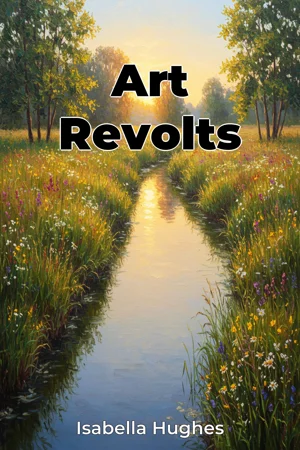
What happens when artists, constrained by societal norms and stifled by established artistic doctrines, decide to shatter the mold and forge their own paths? "Art Revolts" explores precisely this phenomenon, delving into the lives and works of painters who spearheaded significant artistic rebellions throughout history. This book isn't just about art; it's about the courage to challenge convention, the struggle for creative freedom, and the enduring power of individuals to reshape entire movements. The core of "Art Revolts" centers on three key themes: the socio-political context that fuels artistic rebellion, the specific artistic techniques and philosophies employed by these revolutionary painters, and the lasting impact of their movements on subsequent generations of artists and the broader culture. These themes are vital because they reveal how art is not created in a vacuum but is deeply intertwined with the historical forces at play. Understanding these connections allows us to appreciate the significance of artistic innovation and the artists who dared to break free from tradition. A basic understanding of art history and the periods discussed will enhance the reading experience but is not mandatory. "Art Revolts" argues that artistic progress is often driven by individuals who consciously reject the prevailing aesthetic and ideological norms of their time. These artists, through their innovative techniques and bold subject matter, not only create groundbreaking works of art but also challenge the very foundations of artistic and social institutions. This argument is critical because it highlights the active role of artists in shaping cultural values and pushing the boundaries of human expression. The book unfolds in a structured manner. First, the introduction lays the groundwork by examining the general conditions that tend to foster artistic revolt, from political upheaval to technological advancements. It then moves into specific eras and movements, with dedicated chapters focusing on key figures. The main body of the book examines pre-20th century movements, such as the shift from rigid academic painting towards Impressionism, driven by artists like Monet, Renoir, and Degas, who sought to capture fleeting moments of light and color. This section explores how their rejection of traditional techniques and subject matter reflected a broader societal shift towards modernization and individual expression. A further section covers the early 20th-century explosion of movements like Fauvism and Cubism. Artists like Matisse and Picasso are examined to show their rejection of representational accuracy in favor of bold colors and fragmented forms. These movements reflected the anxieties and uncertainties of a rapidly changing world. Finally, the book culminates by analyzing the legacy of these artistic revolts, demonstrating how they paved the way for future generations of artists and continue to influence contemporary art today. Practical implications are discussed, such as how to apply the principles of creative rebellion to foster innovation in various fields, not just art. The evidence presented in "Art Revolts" draws from a range of sources, including primary sources such as artists' manifestos, letters, and personal writings, as well as secondary sources such as art historical analyses, critical essays, and biographical accounts. The methodologies employed include close readings of artworks, contextual analysis of historical documents, and comparative studies of different artistic movements. "Art Revolts" makes connections to fields such as sociology, political science, and cultural studies. The book's exploration of the relationship between art and society offers insights into how power structures influence artistic production and how art can be used as a form of social commentary or resistance. What sets this book apart is its focus on the agency of the artists themselves. Rather than simply describing artistic styles, it delves into the motivations, intentions, and struggles of the individuals who drove these revolutions. The tone of the book is scholarly but accessible, aiming to engage both academic readers and general art enthusiasts. The target audience includes art students, art historians, artists, and anyone interested in the intersection of art, history, and social change. Readers interested in non-fiction art history books will find this comprehensive work insightful and informative. While "Art Revolts" covers a wide range of artistic rebellions, it focuses primarily on painting, acknowledging that similar revolutions have occurred in other art forms as well. Examining historical debates within art history about the true ‘founders’ of movements, the validity of certain techniques, and the very definition of art are also addressed. "Art Revolts" offers readers a deeper understanding of the forces that shape artistic innovation and the transformative power of individual creativity.
What happens when artists, constrained by societal norms and stifled by established artistic doctrines, decide to shatter the mold and forge their own paths? "Art Revolts" explores precisely this phenomenon, delving into the lives and works of painters who spearheaded significant artistic rebellions throughout history. This book isn't just about art; it's about the courage to challenge convention, the struggle for creative freedom, and the enduring power of individuals to reshape entire movements. The core of "Art Revolts" centers on three key themes: the socio-political context that fuels artistic rebellion, the specific artistic techniques and philosophies employed by these revolutionary painters, and the lasting impact of their movements on subsequent generations of artists and the broader culture. These themes are vital because they reveal how art is not created in a vacuum but is deeply intertwined with the historical forces at play. Understanding these connections allows us to appreciate the significance of artistic innovation and the artists who dared to break free from tradition. A basic understanding of art history and the periods discussed will enhance the reading experience but is not mandatory. "Art Revolts" argues that artistic progress is often driven by individuals who consciously reject the prevailing aesthetic and ideological norms of their time. These artists, through their innovative techniques and bold subject matter, not only create groundbreaking works of art but also challenge the very foundations of artistic and social institutions. This argument is critical because it highlights the active role of artists in shaping cultural values and pushing the boundaries of human expression. The book unfolds in a structured manner. First, the introduction lays the groundwork by examining the general conditions that tend to foster artistic revolt, from political upheaval to technological advancements. It then moves into specific eras and movements, with dedicated chapters focusing on key figures. The main body of the book examines pre-20th century movements, such as the shift from rigid academic painting towards Impressionism, driven by artists like Monet, Renoir, and Degas, who sought to capture fleeting moments of light and color. This section explores how their rejection of traditional techniques and subject matter reflected a broader societal shift towards modernization and individual expression. A further section covers the early 20th-century explosion of movements like Fauvism and Cubism. Artists like Matisse and Picasso are examined to show their rejection of representational accuracy in favor of bold colors and fragmented forms. These movements reflected the anxieties and uncertainties of a rapidly changing world. Finally, the book culminates by analyzing the legacy of these artistic revolts, demonstrating how they paved the way for future generations of artists and continue to influence contemporary art today. Practical implications are discussed, such as how to apply the principles of creative rebellion to foster innovation in various fields, not just art. The evidence presented in "Art Revolts" draws from a range of sources, including primary sources such as artists' manifestos, letters, and personal writings, as well as secondary sources such as art historical analyses, critical essays, and biographical accounts. The methodologies employed include close readings of artworks, contextual analysis of historical documents, and comparative studies of different artistic movements. "Art Revolts" makes connections to fields such as sociology, political science, and cultural studies. The book's exploration of the relationship between art and society offers insights into how power structures influence artistic production and how art can be used as a form of social commentary or resistance. What sets this book apart is its focus on the agency of the artists themselves. Rather than simply describing artistic styles, it delves into the motivations, intentions, and struggles of the individuals who drove these revolutions. The tone of the book is scholarly but accessible, aiming to engage both academic readers and general art enthusiasts. The target audience includes art students, art historians, artists, and anyone interested in the intersection of art, history, and social change. Readers interested in non-fiction art history books will find this comprehensive work insightful and informative. While "Art Revolts" covers a wide range of artistic rebellions, it focuses primarily on painting, acknowledging that similar revolutions have occurred in other art forms as well. Examining historical debates within art history about the true ‘founders’ of movements, the validity of certain techniques, and the very definition of art are also addressed. "Art Revolts" offers readers a deeper understanding of the forces that shape artistic innovation and the transformative power of individual creativity.
"Art Revolts" examines the transformative power of artistic rebellion throughout history, focusing on painters who defied societal norms and revolutionized art. The book highlights how socio-political contexts fueled these revolts, leading to innovative techniques and philosophies that continue to impact art today. Did you know that Impressionists like Monet and Degas challenged rigid academic painting by capturing fleeting moments of light, reflecting broader societal shifts? Or that early 20th-century movements like Cubism, with artists such as Picasso, rejected representational accuracy, mirroring the anxieties of a rapidly changing world? The book argues that artistic progress stems from individuals rejecting prevailing aesthetic and ideological norms. It explores how these artists, through bold subject matter and techniques, challenged artistic and social institutions. "Art Revolts" progresses by first laying the groundwork with general conditions that foster artistic revolt, then delving into specific eras and movements, examining key figures and their lasting legacies. The book draws from artists' manifestos, historical analyses, and biographical accounts to provide a scholarly yet accessible exploration of art history.
Book Details
ISBN
9788235217363
Publisher
Publifye AS
Your Licenses
You don't own any licenses for this book
Purchase a license below to unlock this book and download the EPUB.
Purchase License
Select a tier to unlock this book
Need bulk licensing?
Contact us for enterprise agreements.