
About This Book
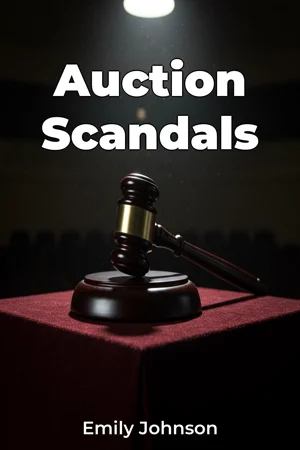
Have you ever wondered if the seemingly glamorous world of high-stakes art auctions is as pristine as it appears? "Auction Scandals" delves into the underbelly of this exclusive market, exposing the fraudulent bids, market manipulation tactics, and outright corruption that can taint even the most prestigious sales. Understanding these illicit practices is crucial for anyone involved in the art world, from casual collectors to seasoned investors, as well as those interested in market ethics. This book navigates the complex landscape of art auctions, providing essential context to comprehend the potential pitfalls. We will explore the historical backdrop of auction houses, examining how their structure and operations have, at times, facilitated unethical behavior. Prior knowledge of art market basics – such as the roles of consignors, auctioneers, and bidders – will be beneficial, but not essential, as these elements are introduced. The central argument is that the art auction market, despite its veneer of sophistication, is vulnerable to manipulation due to its inherent opacity and the subjective nature of art valuation. This vulnerability undermines trust in the market and distorts the true value of artworks. The book unfolds systematically. It begins by introducing the fundamental concepts of art auctions and market regulations. It then dissects specific types of fraudulent activities, such as shill bidding (where the auctioneer or consignor places bids to artificially inflate prices), bid rigging (collusion among bidders to suppress prices), and the creation of artificial demand through deceptive marketing practices. We will explore the legal and ethical implications of these actions, examining landmark cases and regulatory frameworks. Furthermore, the book will investigate instances of corruption involving auction house staff, consignors, and even artists themselves, detailing how conflicts of interest can compromise the integrity of the auction process. Later chapters will focus on the practical implications of these scandals, offering guidance on identifying red flags, mitigating risks, and advocating for greater transparency within the art market. The evidence presented is drawn from a variety of sources, including court documents, investigative reports, academic research, and interviews with art market participants. The analysis also utilizes auction data to identify patterns suggestive of manipulation. "Auction Scandals" connects to several related fields. Firstly, it draws on financial theory to understand market dynamics and the economic incentives that drive fraudulent behavior. Secondly, it incorporates legal studies to examine the effectiveness of regulations and the challenges of prosecuting art market crimes. Thirdly, it intersects with art history and connoisseurship, using expertise in these areas to identify inconsistencies in provenance and valuation that may indicate wrongdoing. This book offers a unique perspective by combining rigorous research with accessible storytelling, making complex financial and legal concepts understandable to a broad audience. It stands out by focusing specifically on the mechanics and consequences of fraud within the auction setting. The tone is factual and analytical, aiming to present a balanced and objective view of the issues. While the subject matter is serious, the writing style is designed to be engaging and informative, avoiding overly technical jargon. The target audience includes art collectors, investors, art market professionals (such as dealers, appraisers, and consultants), legal professionals, and anyone with an interest in finance, ethics, or the art world. The book provides valuable insights for making informed decisions, protecting investments, and promoting ethical practices. As a work of non-fiction, "Auction Scandals" prioritizes accuracy, objectivity, and thorough research, adhering to the conventions of investigative journalism and academic scholarship. The scope of the book is intentionally limited to the context of art auctions, excluding other forms of art sales, such as private transactions or gallery exhibitions, except where they directly relate to auction practices. The information in "Auction Scandals" can be practically applied by readers to conduct due diligence before participating in art auctions, to develop strategies for detecting and avoiding fraud, and to advocate for reforms that promote greater transparency and accountability within the art market. The book will address ongoing debates surrounding the effectiveness of current regulations and the role of self-regulation within the art market. It will also explore controversies related to the authentication of artworks and the challenges of proving intent in cases of fraud.
Have you ever wondered if the seemingly glamorous world of high-stakes art auctions is as pristine as it appears? "Auction Scandals" delves into the underbelly of this exclusive market, exposing the fraudulent bids, market manipulation tactics, and outright corruption that can taint even the most prestigious sales. Understanding these illicit practices is crucial for anyone involved in the art world, from casual collectors to seasoned investors, as well as those interested in market ethics. This book navigates the complex landscape of art auctions, providing essential context to comprehend the potential pitfalls. We will explore the historical backdrop of auction houses, examining how their structure and operations have, at times, facilitated unethical behavior. Prior knowledge of art market basics – such as the roles of consignors, auctioneers, and bidders – will be beneficial, but not essential, as these elements are introduced. The central argument is that the art auction market, despite its veneer of sophistication, is vulnerable to manipulation due to its inherent opacity and the subjective nature of art valuation. This vulnerability undermines trust in the market and distorts the true value of artworks. The book unfolds systematically. It begins by introducing the fundamental concepts of art auctions and market regulations. It then dissects specific types of fraudulent activities, such as shill bidding (where the auctioneer or consignor places bids to artificially inflate prices), bid rigging (collusion among bidders to suppress prices), and the creation of artificial demand through deceptive marketing practices. We will explore the legal and ethical implications of these actions, examining landmark cases and regulatory frameworks. Furthermore, the book will investigate instances of corruption involving auction house staff, consignors, and even artists themselves, detailing how conflicts of interest can compromise the integrity of the auction process. Later chapters will focus on the practical implications of these scandals, offering guidance on identifying red flags, mitigating risks, and advocating for greater transparency within the art market. The evidence presented is drawn from a variety of sources, including court documents, investigative reports, academic research, and interviews with art market participants. The analysis also utilizes auction data to identify patterns suggestive of manipulation. "Auction Scandals" connects to several related fields. Firstly, it draws on financial theory to understand market dynamics and the economic incentives that drive fraudulent behavior. Secondly, it incorporates legal studies to examine the effectiveness of regulations and the challenges of prosecuting art market crimes. Thirdly, it intersects with art history and connoisseurship, using expertise in these areas to identify inconsistencies in provenance and valuation that may indicate wrongdoing. This book offers a unique perspective by combining rigorous research with accessible storytelling, making complex financial and legal concepts understandable to a broad audience. It stands out by focusing specifically on the mechanics and consequences of fraud within the auction setting. The tone is factual and analytical, aiming to present a balanced and objective view of the issues. While the subject matter is serious, the writing style is designed to be engaging and informative, avoiding overly technical jargon. The target audience includes art collectors, investors, art market professionals (such as dealers, appraisers, and consultants), legal professionals, and anyone with an interest in finance, ethics, or the art world. The book provides valuable insights for making informed decisions, protecting investments, and promoting ethical practices. As a work of non-fiction, "Auction Scandals" prioritizes accuracy, objectivity, and thorough research, adhering to the conventions of investigative journalism and academic scholarship. The scope of the book is intentionally limited to the context of art auctions, excluding other forms of art sales, such as private transactions or gallery exhibitions, except where they directly relate to auction practices. The information in "Auction Scandals" can be practically applied by readers to conduct due diligence before participating in art auctions, to develop strategies for detecting and avoiding fraud, and to advocate for reforms that promote greater transparency and accountability within the art market. The book will address ongoing debates surrounding the effectiveness of current regulations and the role of self-regulation within the art market. It will also explore controversies related to the authentication of artworks and the challenges of proving intent in cases of fraud.
"Auction Scandals" explores the often-hidden world of art auction fraud and market manipulation. It reveals how practices like shill bidding, where auctioneers artificially inflate prices, and bid rigging, where bidders collude to suppress prices, can undermine the integrity of the art market. The book argues that the subjective nature of art valuation, combined with a lack of transparency, makes the market vulnerable to corruption. Understanding these issues is crucial for anyone involved in art investment or collection. The book systematically uncovers the various schemes employed to deceive buyers and sellers, drawing on legal cases, investigative reports, and auction data analysis to expose patterns of fraud. It also examines the ethical implications and potential conflicts of interest involving auction house staff, consignors, and artists. Readers will gain valuable insights into identifying red flags, mitigating risks, and advocating for increased transparency. As the book progresses, it moves from foundational concepts to specific examples of fraud and practical guidance.
Book Details
ISBN
9788235217349
Publisher
Publifye AS
Your Licenses
You don't own any licenses for this book
Purchase a license below to unlock this book and download the EPUB.
Purchase License
Select a tier to unlock this book
Need bulk licensing?
Contact us for enterprise agreements.