
About This Book
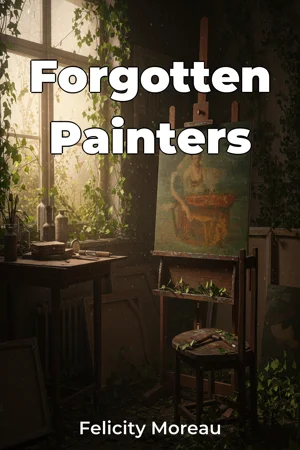
Have you ever wondered how many talented artists have been lost to the annals of history, their contributions unfairly overshadowed or completely forgotten? "Forgotten Painters" seeks to rectify this historical imbalance by bringing to light the lives and works of several painters who, despite their innovative techniques and artistic merit, have been unjustly excluded from mainstream art history. This book will explore the systemic biases that have historically influenced the art world, including gender discrimination, socioeconomic factors, and the prevailing tastes of influential critics and patrons. These biases have often resulted in a skewed representation of artistic talent, where certain artists and movements are celebrated while others, often equally deserving, are relegated to obscurity. Understanding these factors provides essential context for appreciating the overlooked contributions of the featured painters. The central argument of "Forgotten Painters" is that a more inclusive and comprehensive understanding of art history is necessary to fully appreciate the breadth and depth of human creativity. By examining the careers and artistic contributions of these forgotten painters, the book challenges traditional art historical narratives and prompts a reevaluation of established canons. This reevaluation is not merely an academic exercise; it enriches our understanding of art and its relationship to society throughout history. The book begins by introducing the concept of artistic canon formation and the criteria, often subjective, by which artists are deemed historically significant. It then proceeds with detailed biographical accounts and critical analyses of selected painters from various historical periods and geographical locations. Each chapter focuses on individual artists, exploring their lives, artistic techniques, and the sociopolitical contexts in which they worked. The selection of artists spans diverse backgrounds and styles, united by the common thread of historical neglect. The book culminates in a discussion of the implications of these exclusions and proposes strategies for a more equitable and inclusive approach to art history. The evidence presented in "Forgotten Painters" draws upon archival research, including letters, exhibition catalogs, and contemporary reviews, as well as detailed analyses of the artists' surviving artworks. The book utilizes an interdisciplinary approach, drawing from social history and gender studies to illuminate the forces that shaped the artists’ careers and reputations. "Forgotten Painters" connects to broader discussions in sociology, history, and cultural studies about power, representation, and the construction of historical narratives. It also builds on the growing field of feminist art history, which has been instrumental in challenging traditional, male-dominated accounts of artistic achievement. The book offers a fresh perspective by focusing on the concrete experiences of individual artists and providing in-depth analyses of their artistic contributions. This approach emphasizes the lived realities of these painters and challenges the abstract, theoretical frameworks that often dominate art historical discourse. Written in a clear and accessible style, "Forgotten Painters" is intended for a broad audience, including art enthusiasts, students, scholars, and anyone interested in a more inclusive and nuanced understanding of art history. It offers valuable insights for educators seeking to diversify their curricula and for museum professionals seeking to expand their collections and exhibitions. As a work of art historical biography, "Forgotten Painters" adheres to the core tenets of factual accuracy, rigorous research, and objective analysis. While celebrating the achievements of the featured artists, the book avoids hagiography and focuses on providing a balanced and nuanced account of their lives and works. The scope of "Forgotten Painters" is intentionally limited to painters who have been largely excluded from mainstream art historical narratives. While acknowledging the contributions of other overlooked artists in different media, the book focuses specifically on painters to provide a cohesive and in-depth analysis. The lessons of "Forgotten Painters" can be applied in various contexts, from art education to museum curation to broader efforts to promote diversity and inclusion in the arts. By raising awareness of the biases that have shaped art history, the book encourages a more critical and equitable approach to the evaluation and appreciation of artistic talent. The book addresses ongoing debates about the criteria for artistic merit and historical significance. By showcasing the work of overlooked painters, it challenges prevailing assumptions about quality and raises questions about the role of power and privilege in shaping artistic reputations.
Have you ever wondered how many talented artists have been lost to the annals of history, their contributions unfairly overshadowed or completely forgotten? "Forgotten Painters" seeks to rectify this historical imbalance by bringing to light the lives and works of several painters who, despite their innovative techniques and artistic merit, have been unjustly excluded from mainstream art history. This book will explore the systemic biases that have historically influenced the art world, including gender discrimination, socioeconomic factors, and the prevailing tastes of influential critics and patrons. These biases have often resulted in a skewed representation of artistic talent, where certain artists and movements are celebrated while others, often equally deserving, are relegated to obscurity. Understanding these factors provides essential context for appreciating the overlooked contributions of the featured painters. The central argument of "Forgotten Painters" is that a more inclusive and comprehensive understanding of art history is necessary to fully appreciate the breadth and depth of human creativity. By examining the careers and artistic contributions of these forgotten painters, the book challenges traditional art historical narratives and prompts a reevaluation of established canons. This reevaluation is not merely an academic exercise; it enriches our understanding of art and its relationship to society throughout history. The book begins by introducing the concept of artistic canon formation and the criteria, often subjective, by which artists are deemed historically significant. It then proceeds with detailed biographical accounts and critical analyses of selected painters from various historical periods and geographical locations. Each chapter focuses on individual artists, exploring their lives, artistic techniques, and the sociopolitical contexts in which they worked. The selection of artists spans diverse backgrounds and styles, united by the common thread of historical neglect. The book culminates in a discussion of the implications of these exclusions and proposes strategies for a more equitable and inclusive approach to art history. The evidence presented in "Forgotten Painters" draws upon archival research, including letters, exhibition catalogs, and contemporary reviews, as well as detailed analyses of the artists' surviving artworks. The book utilizes an interdisciplinary approach, drawing from social history and gender studies to illuminate the forces that shaped the artists’ careers and reputations. "Forgotten Painters" connects to broader discussions in sociology, history, and cultural studies about power, representation, and the construction of historical narratives. It also builds on the growing field of feminist art history, which has been instrumental in challenging traditional, male-dominated accounts of artistic achievement. The book offers a fresh perspective by focusing on the concrete experiences of individual artists and providing in-depth analyses of their artistic contributions. This approach emphasizes the lived realities of these painters and challenges the abstract, theoretical frameworks that often dominate art historical discourse. Written in a clear and accessible style, "Forgotten Painters" is intended for a broad audience, including art enthusiasts, students, scholars, and anyone interested in a more inclusive and nuanced understanding of art history. It offers valuable insights for educators seeking to diversify their curricula and for museum professionals seeking to expand their collections and exhibitions. As a work of art historical biography, "Forgotten Painters" adheres to the core tenets of factual accuracy, rigorous research, and objective analysis. While celebrating the achievements of the featured artists, the book avoids hagiography and focuses on providing a balanced and nuanced account of their lives and works. The scope of "Forgotten Painters" is intentionally limited to painters who have been largely excluded from mainstream art historical narratives. While acknowledging the contributions of other overlooked artists in different media, the book focuses specifically on painters to provide a cohesive and in-depth analysis. The lessons of "Forgotten Painters" can be applied in various contexts, from art education to museum curation to broader efforts to promote diversity and inclusion in the arts. By raising awareness of the biases that have shaped art history, the book encourages a more critical and equitable approach to the evaluation and appreciation of artistic talent. The book addresses ongoing debates about the criteria for artistic merit and historical significance. By showcasing the work of overlooked painters, it challenges prevailing assumptions about quality and raises questions about the role of power and privilege in shaping artistic reputations.
"Forgotten Painters" shines a light on talented artists unfairly excluded from mainstream art history, challenging the established artistic canon. The book reveals systemic biases like gender discrimination and socioeconomic factors that have skewed perceptions of artistic merit. By exploring the lives and works of these lost artists, the book advocates for a more inclusive art history, enriching our understanding of art's relationship to society. The book begins by examining how artistic canons are formed and then delves into biographical accounts of selected painters across various periods and locations. Archival research including letters and contemporary reviews, combined with analysis of the artists' surviving artworks, supports the book's interdisciplinary approach. "Forgotten Painters" connects to broader discussions about power, representation, and the construction of historical narratives, calling for a reevaluation of how we evaluate art. Ultimately, the book challenges readers to consider the criteria used to determine artistic significance. It emphasizes the importance of a critical and equitable approach in art education, museum curation, and broader efforts to promote diversity in the arts.
Book Details
ISBN
9788235217332
Publisher
Publifye AS
Your Licenses
You don't own any licenses for this book
Purchase a license below to unlock this book and download the EPUB.
Purchase License
Select a tier to unlock this book
Need bulk licensing?
Contact us for enterprise agreements.