
About This Book
How often do masterpieces vanish, not to decay in a forgotten attic, but to fuel a shadowy underworld of forgery, theft, and deception? "Art Crimes" plunges into the compelling history of art fraud, forgery, and theft, revealing the intricate networks and audacious characters involved in these illicit activities. These crimes aren't merely about monetary value; they strike at the heart of cultural heritage, public trust, and the very definition of authenticity. "Art Crimes" examines three significant aspects of this world. Firstly, it dissects the evolution of art forgery, showcasing the techniques used by master forgers and the methods employed to detect their deceptive work. Secondly, the book explores the intricate world of art theft, from daring museum heists to targeted raids on private collections. Finally, it delves into the complex web of illegal dealings, including money laundering through art, fraudulent sales, and the exploitation of cultural property laws. To fully appreciate the motivations and consequences of art crime, this book integrates historical context. Readers will gain insight into how shifting economic climates, evolving legal frameworks, and changing perceptions of art value have shaped criminal behavior. A basic understanding of art history and market dynamics will prove beneficial, but the narrative is designed to be accessible to a broad audience. The central argument of "Art Crimes" is that art crime is not simply a matter of opportunistic theft or skilled forgery. It is a sophisticated and continuously evolving industry driven by financial gain, ego, and a disregard for cultural heritage. This exploration is important because understanding the scope and nature of art crime is crucial for protecting artistic patrimony, promoting ethical behavior in the art market, and preventing future transgressions. The book begins by introducing the fundamental concepts of art crime and outlining its historical development (a). It then moves into specific cases, divided into three major sections: Forgery, Theft, and Illegal Dealings (b). Each section provides detailed examples, case studies, and analysis of the techniques, perpetrators, and victims involved. "Art Crimes" culminates in a discussion of the current state of art crime, including emerging trends, challenges in law enforcement, and strategies for combating these activities (c). Finally, the book explores the practical implications for collectors, museums, and the art market as a whole, offering advice on due diligence, risk management, and ethical practices (d). The evidence presented draws upon a wide range of sources, including court documents, police reports, auction house records, expert testimony, and interviews with art historians, law enforcement officials, and even convicted art criminals. Additionally, the book analyzes forensic techniques used to detect forgeries, such as pigment analysis, radiography, and stylistic comparison. "Art Crimes" connects to several other fields, including law, criminology, economics, and cultural studies (7). The book incorporates legal principles related to art ownership, cultural property, and international treaties. It also draws upon criminological theories to explain the motivations and behaviors of art criminals. Economic analysis is used to understand the market forces that drive art crime. Cultural studies provide insights into the social and cultural significance of art and the impact of art crime on cultural heritage. This book stands out through its holistic approach to art crime, moving beyond sensationalistic accounts to provide a detailed and analytical examination of the phenomenon. "Art Crimes" employs a clear and engaging narrative style, making complex legal and financial concepts accessible to a general audience. The target audience includes art enthusiasts, collectors, students of art history and criminology, legal professionals, and anyone interested in the intersection of art, crime, and culture. This book is valuable to them because it provides a comprehensive overview of a fascinating and often misunderstood aspect of the art world. It also offers practical insights that can help readers protect themselves from becoming victims of art crime. As a true crime book, "Art Crimes" offers a compelling narrative, detailed investigations, and a focus on real-world consequences. It provides a broad overview of art crime while acknowledging that each case could be the subject of its own book. The focus remains on high-profile and instructive examples that illustrate the key themes and arguments. The book will inevitably touch upon some ongoing debates in the art world, such as the repatriation of looted artifacts, the ethics of art collecting, and the role of museums in preserving cultural heritage. By presenting different perspectives and offering a balanced analysis, "Art Crimes" aims to stimulate thoughtful discussion and promote a deeper understanding of the complex issues surrounding art crime.
How often do masterpieces vanish, not to decay in a forgotten attic, but to fuel a shadowy underworld of forgery, theft, and deception? "Art Crimes" plunges into the compelling history of art fraud, forgery, and theft, revealing the intricate networks and audacious characters involved in these illicit activities. These crimes aren't merely about monetary value; they strike at the heart of cultural heritage, public trust, and the very definition of authenticity. "Art Crimes" examines three significant aspects of this world. Firstly, it dissects the evolution of art forgery, showcasing the techniques used by master forgers and the methods employed to detect their deceptive work. Secondly, the book explores the intricate world of art theft, from daring museum heists to targeted raids on private collections. Finally, it delves into the complex web of illegal dealings, including money laundering through art, fraudulent sales, and the exploitation of cultural property laws. To fully appreciate the motivations and consequences of art crime, this book integrates historical context. Readers will gain insight into how shifting economic climates, evolving legal frameworks, and changing perceptions of art value have shaped criminal behavior. A basic understanding of art history and market dynamics will prove beneficial, but the narrative is designed to be accessible to a broad audience. The central argument of "Art Crimes" is that art crime is not simply a matter of opportunistic theft or skilled forgery. It is a sophisticated and continuously evolving industry driven by financial gain, ego, and a disregard for cultural heritage. This exploration is important because understanding the scope and nature of art crime is crucial for protecting artistic patrimony, promoting ethical behavior in the art market, and preventing future transgressions. The book begins by introducing the fundamental concepts of art crime and outlining its historical development (a). It then moves into specific cases, divided into three major sections: Forgery, Theft, and Illegal Dealings (b). Each section provides detailed examples, case studies, and analysis of the techniques, perpetrators, and victims involved. "Art Crimes" culminates in a discussion of the current state of art crime, including emerging trends, challenges in law enforcement, and strategies for combating these activities (c). Finally, the book explores the practical implications for collectors, museums, and the art market as a whole, offering advice on due diligence, risk management, and ethical practices (d). The evidence presented draws upon a wide range of sources, including court documents, police reports, auction house records, expert testimony, and interviews with art historians, law enforcement officials, and even convicted art criminals. Additionally, the book analyzes forensic techniques used to detect forgeries, such as pigment analysis, radiography, and stylistic comparison. "Art Crimes" connects to several other fields, including law, criminology, economics, and cultural studies (7). The book incorporates legal principles related to art ownership, cultural property, and international treaties. It also draws upon criminological theories to explain the motivations and behaviors of art criminals. Economic analysis is used to understand the market forces that drive art crime. Cultural studies provide insights into the social and cultural significance of art and the impact of art crime on cultural heritage. This book stands out through its holistic approach to art crime, moving beyond sensationalistic accounts to provide a detailed and analytical examination of the phenomenon. "Art Crimes" employs a clear and engaging narrative style, making complex legal and financial concepts accessible to a general audience. The target audience includes art enthusiasts, collectors, students of art history and criminology, legal professionals, and anyone interested in the intersection of art, crime, and culture. This book is valuable to them because it provides a comprehensive overview of a fascinating and often misunderstood aspect of the art world. It also offers practical insights that can help readers protect themselves from becoming victims of art crime. As a true crime book, "Art Crimes" offers a compelling narrative, detailed investigations, and a focus on real-world consequences. It provides a broad overview of art crime while acknowledging that each case could be the subject of its own book. The focus remains on high-profile and instructive examples that illustrate the key themes and arguments. The book will inevitably touch upon some ongoing debates in the art world, such as the repatriation of looted artifacts, the ethics of art collecting, and the role of museums in preserving cultural heritage. By presenting different perspectives and offering a balanced analysis, "Art Crimes" aims to stimulate thoughtful discussion and promote a deeper understanding of the complex issues surrounding art crime.
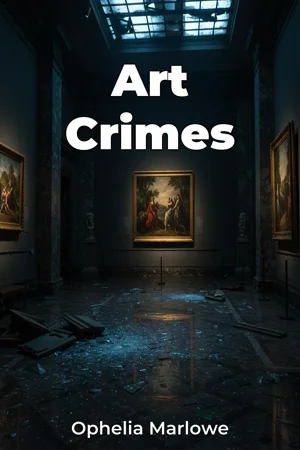
"Art Crimes" delves into the shadowy world where masterpieces vanish, fueling forgery, theft, and deception. This true crime exploration reveals how these illicit activities strike at the heart of cultural heritage, impacting public trust and the very definition of authenticity. The book meticulously dissects the evolution of art forgery, showcasing techniques used by master forgers and the methods employed to detect their deceptive work, like pigment analysis. It also uncovers the intricate world of art theft, from daring museum heists to targeted raids on private collections, highlighting how stolen art can be used for money laundering. The book’s unique value lies in its holistic approach, moving beyond sensationalism to provide a detailed analysis of art crime's complex ecosystem. "Art Crimes" begins by outlining the historical development of art crime, then moves through specific cases of forgery, theft, and illegal dealings. It culminates with a discussion of the current state of art crime, emerging trends, and strategies for combating these activities, offering insights for collectors, museums, and the art market. By integrating historical context and drawing upon court documents, police reports, and expert testimony, the book offers a comprehensive overview for anyone interested in the intersection of art, crime, and culture.
Book Details
ISBN
9788235217295
Publisher
Publifye AS
Your Licenses
You don't own any licenses for this book
Purchase a license below to unlock this book and download the EPUB.
Purchase License
Select a tier to unlock this book
Need bulk licensing?
Contact us for enterprise agreements.