
About This Book
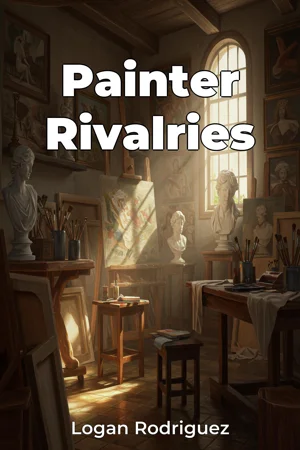
Have you ever considered that some of history’s most celebrated masterpieces were born not only from inspiration but also from intense rivalry? "Painter Rivalries" delves into the captivating and often contentious relationships between artists, exploring how their personal and professional battles fueled artistic innovation and shaped the course of art history. This book examines how the push and pull of competition, envy, and mutual influence impacted individual styles and broader art movements. One key topic explored is the direct influence that rivals had on each other's techniques and subject matter. Artists often responded to, and even strategically countered, the work of their contemporaries, leading to rapid evolution in artistic styles. The book also examines the social and economic contexts surrounding these rivalries. Patronage, critical reception, and the pressures of the art market frequently intensified personal conflicts and fueled artistic ambition. Finally, "Painter Rivalries" investigates the lasting legacies of these confrontations, considering how history has judged the participants and reinterpreted their contributions in light of their adversarial relationships. Understanding these rivalries provides critical insights into the creative process and the dynamics of artistic innovation. "Painter Rivalries" argues that artistic rivalries were not merely personal squabbles, but powerful engines of change. The book demonstrates how these conflicts spurred artists to push boundaries, experiment with new approaches, and ultimately contribute to the development of groundbreaking movements. The book unfolds in a structured manner. First, it lays the groundwork by introducing the concept of artistic rivalry as a catalyst for innovation. It then delves into several case studies, each focusing on a specific rivalry and its impact. For example, the complex relationship between Michelangelo and Leonardo da Vinci, marked by jealousy and contrasting artistic philosophies, is explored. This section highlights how their competition influenced the development of High Renaissance art. Similarly, the rivalry between Impressionists like Monet and Degas, driven by differing visions of modern life and artistic representation, illuminates the internal debates within the movement itself. Finally, the book culminates with an analysis of contemporary rivalries and their implications for the future of art, also considering how the art market and social media amplify these dynamics. The arguments presented are supported by a combination of sources: historical documents (letters, diaries, critical reviews), analyses of the artworks themselves, and scholarly interpretations. Unique attention is paid to how artists directly responded to each other's work through specific compositional choices, thematic explorations, and technical innovations. "Painter Rivalries" connects to several other fields of study. It intersects with psychology, particularly in examining the motivations and emotions driving competitive behavior. It also aligns with sociology, exploring the social structures and power dynamics of the art world. Furthermore, it relates to business studies, considering how competition and market forces influence creative output. This book offers a novel perspective by viewing art history through the lens of rivalry, revealing the often-overlooked collaborative and competitive forces that shaped its trajectory. The writing style is accessible, aiming to engage both art enthusiasts and general readers with compelling narratives and insightful analysis. The target audience includes art students, art historians, artists, and anyone interested in the creative process and the dynamics of competition. The book offers valuable insights into the motivations, challenges, and achievements of some of history’s most influential artists. As a biography focusing on art, the book adheres to the genre's conventions by providing detailed accounts of artists' lives and works, while also offering new interpretations and contextual analyses. The scope of "Painter Rivalries" is intentionally broad, covering a diverse range of historical periods and artistic movements, while focusing on Western art due to limitations of scope. Although the impact of female artists is mentioned, the core rivalries are explored through a predominantly male perspective, an element directly linked to the period covered. The book's insights have real-world applications, providing a framework for understanding competition and collaboration in any creative field. By examining how artists have navigated rivalry in the past, readers can gain strategies for managing their own professional relationships and leveraging competition to foster innovation. While the book explores the dynamics of various rivalries, it also acknowledges ongoing debates about the interpretation of historical events and the subjective nature of artistic merit. "Painter Rivalries" aims to contribute to these discussions by offering a nuanced and evidence-based perspective on the complex interplay between competition and creativity.
Have you ever considered that some of history’s most celebrated masterpieces were born not only from inspiration but also from intense rivalry? "Painter Rivalries" delves into the captivating and often contentious relationships between artists, exploring how their personal and professional battles fueled artistic innovation and shaped the course of art history. This book examines how the push and pull of competition, envy, and mutual influence impacted individual styles and broader art movements. One key topic explored is the direct influence that rivals had on each other's techniques and subject matter. Artists often responded to, and even strategically countered, the work of their contemporaries, leading to rapid evolution in artistic styles. The book also examines the social and economic contexts surrounding these rivalries. Patronage, critical reception, and the pressures of the art market frequently intensified personal conflicts and fueled artistic ambition. Finally, "Painter Rivalries" investigates the lasting legacies of these confrontations, considering how history has judged the participants and reinterpreted their contributions in light of their adversarial relationships. Understanding these rivalries provides critical insights into the creative process and the dynamics of artistic innovation. "Painter Rivalries" argues that artistic rivalries were not merely personal squabbles, but powerful engines of change. The book demonstrates how these conflicts spurred artists to push boundaries, experiment with new approaches, and ultimately contribute to the development of groundbreaking movements. The book unfolds in a structured manner. First, it lays the groundwork by introducing the concept of artistic rivalry as a catalyst for innovation. It then delves into several case studies, each focusing on a specific rivalry and its impact. For example, the complex relationship between Michelangelo and Leonardo da Vinci, marked by jealousy and contrasting artistic philosophies, is explored. This section highlights how their competition influenced the development of High Renaissance art. Similarly, the rivalry between Impressionists like Monet and Degas, driven by differing visions of modern life and artistic representation, illuminates the internal debates within the movement itself. Finally, the book culminates with an analysis of contemporary rivalries and their implications for the future of art, also considering how the art market and social media amplify these dynamics. The arguments presented are supported by a combination of sources: historical documents (letters, diaries, critical reviews), analyses of the artworks themselves, and scholarly interpretations. Unique attention is paid to how artists directly responded to each other's work through specific compositional choices, thematic explorations, and technical innovations. "Painter Rivalries" connects to several other fields of study. It intersects with psychology, particularly in examining the motivations and emotions driving competitive behavior. It also aligns with sociology, exploring the social structures and power dynamics of the art world. Furthermore, it relates to business studies, considering how competition and market forces influence creative output. This book offers a novel perspective by viewing art history through the lens of rivalry, revealing the often-overlooked collaborative and competitive forces that shaped its trajectory. The writing style is accessible, aiming to engage both art enthusiasts and general readers with compelling narratives and insightful analysis. The target audience includes art students, art historians, artists, and anyone interested in the creative process and the dynamics of competition. The book offers valuable insights into the motivations, challenges, and achievements of some of history’s most influential artists. As a biography focusing on art, the book adheres to the genre's conventions by providing detailed accounts of artists' lives and works, while also offering new interpretations and contextual analyses. The scope of "Painter Rivalries" is intentionally broad, covering a diverse range of historical periods and artistic movements, while focusing on Western art due to limitations of scope. Although the impact of female artists is mentioned, the core rivalries are explored through a predominantly male perspective, an element directly linked to the period covered. The book's insights have real-world applications, providing a framework for understanding competition and collaboration in any creative field. By examining how artists have navigated rivalry in the past, readers can gain strategies for managing their own professional relationships and leveraging competition to foster innovation. While the book explores the dynamics of various rivalries, it also acknowledges ongoing debates about the interpretation of historical events and the subjective nature of artistic merit. "Painter Rivalries" aims to contribute to these discussions by offering a nuanced and evidence-based perspective on the complex interplay between competition and creativity.
"Painter Rivalries" explores the intense relationships between artists, revealing how competition fueled artistic innovation throughout history. This biography uncovers how rivalries influenced techniques and subject matter, with artists strategically responding to each other's work. The book delves into the social and economic contexts surrounding these battles, highlighting how patronage and the art market intensified conflicts and ambitions. The book examines specific rivalries, from the complex dynamic between Michelangelo and Leonardo da Vinci during the High Renaissance, to the competition between Impressionists like Monet and Degas. By focusing on artistic innovation and competition, "Painter Rivalries" offers a novel perspective on art history. The book progresses by first introducing the concept of rivalry as a catalyst, then presenting case studies, and finally analyzing contemporary rivalries and their implications. Through historical documents, art analysis, and scholarly interpretations, the book illustrates that these rivalries were not just personal squabbles but powerful engines of change. It demonstrates how conflicts spurred artists to push boundaries and contribute to groundbreaking movements. This approach makes the book valuable to art enthusiasts and anyone interested in the creative process.
Book Details
ISBN
9788235217264
Publisher
Publifye AS
Your Licenses
You don't own any licenses for this book
Purchase a license below to unlock this book and download the EPUB.
Purchase License
Select a tier to unlock this book
Need bulk licensing?
Contact us for enterprise agreements.