
About This Book
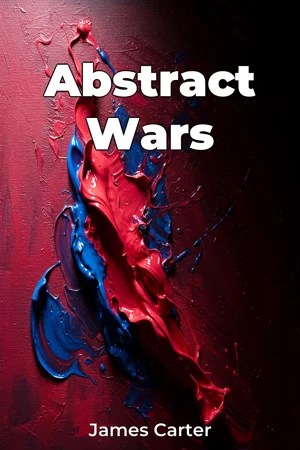
Was abstract art truly a revolution, or a carefully orchestrated campaign against established artistic norms? "Abstract Wars" delves into the tumultuous birth and evolution of abstract art, revealing the intense battles fought, not just on canvas, but within the art world itself. This book examines the core criticisms leveled against abstract art, the strategies artists employed to gain acceptance, and the lasting impact this movement has had on the art market and our understanding of art itself. At its heart, "Abstract Wars" explores three central themes: the philosophical challenge abstract art posed to representational art, the societal resistance encountered by artists pushing these new boundaries, and the market forces that ultimately shaped its acceptance. These topics are crucial because they illuminate a pivotal moment in art history, revealing how artistic innovation intersects with cultural values and economic realities. Understanding these dynamics provides insight into not only the past but also the future of artistic movements. The book provides a historical context by chronicling the shift from representational art to abstract art in the late 19th and early to mid-20th centuries. This transformation was intertwined with broader societal changes, including industrialization, urbanization, and new scientific discoveries that altered perceptions of reality. Readers should possess a basic understanding of key art movements preceding abstraction, such as Impressionism and Post-Impressionism, to fully grasp the radical nature of the shift. "Abstract Wars" argues that the acceptance of abstract art was not a natural progression of artistic development but rather a hard-won victory achieved through deliberate strategies of self-promotion, critical engagement, and market manipulation. This argument is important because it challenges the romanticized view of artistic genius and reveals the pragmatic, often contentious, realities behind artistic success. The structure of "Abstract Wars" unfolds as follows: First, the book introduces the philosophical underpinnings of abstraction, contrasting it with traditional notions of artistic skill and representation. Next, it explores the key figures who championed the movement, detailing their personal struggles and artistic manifestos. The bulk of the book is divided into sections examining the major criticisms leveled against abstract art (e.g., lack of skill, incomprehensibility, elitism), the counter-arguments presented by artists and critics, and the role of galleries, museums, and collectors in legitimizing the movement. Finally, it culminates by analyzing the long-term consequences of abstract art's triumph, including its impact on subsequent art movements and the art market. The book draws upon a wide range of sources, including artists' letters and diaries, critical essays, exhibition reviews, auction records, and interviews with art historians and collectors. It employs a blend of art historical analysis, social commentary, and economic data to support its claims. "Abstract Wars" makes connections to fields beyond art history, including philosophy (particularly aesthetics and theories of perception), sociology (examining the social construction of taste and value), and economics (analyzing the art market as a complex system of supply and demand). These interdisciplinary connections enrich the book's analysis and provide a more nuanced understanding of the forces that shaped the acceptance of abstract art. The book distinguishes itself by taking a critical and demystifying approach to abstract art, moving beyond purely aesthetic appreciation to explore the social, economic, and political factors that influenced its reception. It challenges conventional narratives of artistic progress and offers a more nuanced and nuanced portrayal of the art world. The tone of "Abstract Wars" is scholarly yet accessible, aiming to engage both academic readers and general readers interested in art history. It emphasizes clear and concise language, avoiding jargon and providing ample context for its arguments. The target audience includes art students, art historians, collectors, and anyone curious about the history and dynamics of the art world. It will appeal to those seeking a deeper understanding of how abstract art achieved its prominent position in the art world. As an art history book, "Abstract Wars" adheres to standards of rigorous scholarship, presenting evidence-based arguments and engaging with existing literature on the topic. However, it also pushes the boundaries of traditional art history by incorporating insights from other disciplines and adopting a more critical perspective. The scope of "Abstract Wars" is limited primarily to painting and sculpture, focusing on the period roughly from 1910 to 1970. While it acknowledges the influence of other art forms, such as music and literature, it concentrates on the visual arts. The book addresses ongoing debates about the meaning and value of abstract art, offering a fresh perspective on these controversies. The insights presented in "Abstract Wars" can be applied in practical ways by readers, such as by providing a framework for understanding contemporary art, navigating the art market, and critically evaluating claims about artistic innovation.
Was abstract art truly a revolution, or a carefully orchestrated campaign against established artistic norms? "Abstract Wars" delves into the tumultuous birth and evolution of abstract art, revealing the intense battles fought, not just on canvas, but within the art world itself. This book examines the core criticisms leveled against abstract art, the strategies artists employed to gain acceptance, and the lasting impact this movement has had on the art market and our understanding of art itself. At its heart, "Abstract Wars" explores three central themes: the philosophical challenge abstract art posed to representational art, the societal resistance encountered by artists pushing these new boundaries, and the market forces that ultimately shaped its acceptance. These topics are crucial because they illuminate a pivotal moment in art history, revealing how artistic innovation intersects with cultural values and economic realities. Understanding these dynamics provides insight into not only the past but also the future of artistic movements. The book provides a historical context by chronicling the shift from representational art to abstract art in the late 19th and early to mid-20th centuries. This transformation was intertwined with broader societal changes, including industrialization, urbanization, and new scientific discoveries that altered perceptions of reality. Readers should possess a basic understanding of key art movements preceding abstraction, such as Impressionism and Post-Impressionism, to fully grasp the radical nature of the shift. "Abstract Wars" argues that the acceptance of abstract art was not a natural progression of artistic development but rather a hard-won victory achieved through deliberate strategies of self-promotion, critical engagement, and market manipulation. This argument is important because it challenges the romanticized view of artistic genius and reveals the pragmatic, often contentious, realities behind artistic success. The structure of "Abstract Wars" unfolds as follows: First, the book introduces the philosophical underpinnings of abstraction, contrasting it with traditional notions of artistic skill and representation. Next, it explores the key figures who championed the movement, detailing their personal struggles and artistic manifestos. The bulk of the book is divided into sections examining the major criticisms leveled against abstract art (e.g., lack of skill, incomprehensibility, elitism), the counter-arguments presented by artists and critics, and the role of galleries, museums, and collectors in legitimizing the movement. Finally, it culminates by analyzing the long-term consequences of abstract art's triumph, including its impact on subsequent art movements and the art market. The book draws upon a wide range of sources, including artists' letters and diaries, critical essays, exhibition reviews, auction records, and interviews with art historians and collectors. It employs a blend of art historical analysis, social commentary, and economic data to support its claims. "Abstract Wars" makes connections to fields beyond art history, including philosophy (particularly aesthetics and theories of perception), sociology (examining the social construction of taste and value), and economics (analyzing the art market as a complex system of supply and demand). These interdisciplinary connections enrich the book's analysis and provide a more nuanced understanding of the forces that shaped the acceptance of abstract art. The book distinguishes itself by taking a critical and demystifying approach to abstract art, moving beyond purely aesthetic appreciation to explore the social, economic, and political factors that influenced its reception. It challenges conventional narratives of artistic progress and offers a more nuanced and nuanced portrayal of the art world. The tone of "Abstract Wars" is scholarly yet accessible, aiming to engage both academic readers and general readers interested in art history. It emphasizes clear and concise language, avoiding jargon and providing ample context for its arguments. The target audience includes art students, art historians, collectors, and anyone curious about the history and dynamics of the art world. It will appeal to those seeking a deeper understanding of how abstract art achieved its prominent position in the art world. As an art history book, "Abstract Wars" adheres to standards of rigorous scholarship, presenting evidence-based arguments and engaging with existing literature on the topic. However, it also pushes the boundaries of traditional art history by incorporating insights from other disciplines and adopting a more critical perspective. The scope of "Abstract Wars" is limited primarily to painting and sculpture, focusing on the period roughly from 1910 to 1970. While it acknowledges the influence of other art forms, such as music and literature, it concentrates on the visual arts. The book addresses ongoing debates about the meaning and value of abstract art, offering a fresh perspective on these controversies. The insights presented in "Abstract Wars" can be applied in practical ways by readers, such as by providing a framework for understanding contemporary art, navigating the art market, and critically evaluating claims about artistic innovation.
"Abstract Wars" explores the captivating and often contentious history of abstract art, questioning whether its rise was a genuine revolution or a carefully orchestrated campaign against traditional representational art. The book delves into the philosophical challenges abstract art presented, the societal resistance it faced, and the crucial role of market forces in its acceptance. One intriguing insight is the deliberate strategies employed by artists to gain recognition, including self-promotion and engagement with art criticism. The narrative unfolds by first examining the philosophical underpinnings of abstraction, contrasting it with traditional artistic skills. It then highlights the key figures who championed the movement and their individual struggles. The book progresses by dissecting the major criticisms leveled against abstract art—such as its perceived lack of skill or its elitist nature—and analyzing the counter-arguments made by artists and critics, illustrating how galleries, museums, and art collectors legitimized the movement. Ultimately, "Abstract Wars" offers a demystifying perspective on abstract art, moving beyond aesthetic appreciation to examine the social, economic, and political factors that shaped its reception. This approach provides readers with a fresh understanding of the art world's dynamics and the forces behind artistic innovation.
Book Details
ISBN
9788235217240
Publisher
Publifye AS
Your Licenses
You don't own any licenses for this book
Purchase a license below to unlock this book and download the EPUB.
Purchase License
Select a tier to unlock this book
Need bulk licensing?
Contact us for enterprise agreements.