
About This Book
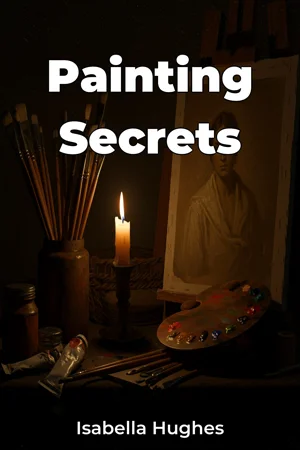
Have you ever stood before a historic painting and wondered what secrets lie beneath the surface? "Painting Secrets" delves into the captivating world of art history, revealing the hidden details, mysterious techniques, and coded messages concealed within some of the world's most iconic artworks. This book will explore not just the aesthetic beauty of these paintings, but also the historical context and innovative methods that shaped their creation and imbued them with deeper meaning. Two key topics form the backbone of this investigation: the evolution of artistic techniques and the use of symbolism as a form of communication. Understanding the materials and methods employed by artists offers insight into their creative processes and the challenges they faced. Deciphering the symbolic language embedded within these masterpieces unveils the cultural, religious, and political ideologies of their time. These topics are important because they allow the viewer to move beyond a superficial appreciation of art and engage with a richer, more nuanced understanding of history. The book provides essential historical context, exploring the Renaissance, Baroque, and Neoclassical periods. It touches on the social structures, religious beliefs, and scientific advancements that influenced artists and their patrons. While no specific prerequisite knowledge is strictly necessary, a general familiarity with Western history will enhance the reader's appreciation of the material. The central argument of "Painting Secrets" is that historic paintings are not merely representations of reality but are complex visual documents that offer valuable insights into the past. By examining these works through a multidisciplinary lens, the book aims to demonstrate how art can serve as a primary source for understanding history, culture, and human ingenuity. The book begins by introducing fundamental concepts in art history, such as perspective, chiaroscuro, and sfumato, before exploring the history and use of pigments, mediums, and supports. Subsequent chapters present case studies of famous paintings, dissecting their composition, iconography, and the artists' intentions. For example, we examine the cryptic elements within Jan van Eyck's "Arnolfini Portrait," and dissect the hidden geometry and symbolism in Leonardo da Vinci's "Last Supper." The book then progresses to explore the use of x-ray and infrared reflectography to uncover underdrawings and pentimenti, revealing the artists' evolving creative processes. The study culminates in a discussion of how these techniques and hidden meanings inform our understanding of both the artwork and the society that produced it. Practical applications and implications are discussed, such as art authentication, conservation, and historical research. The arguments presented in the book are supported by extensive research, drawing on primary sources such as artists' treatises, letters, and workshop records, as well as secondary scholarship in art history, history, and conservation science. The book will reference technical analyses performed by leading museums and conservation labs, including radiographic imaging of paintings to reveal hidden layers and compositional changes. "Painting Secrets" makes interdisciplinary connections between art history, chemistry, and social history. The analysis of pigments and materials involves principles of chemistry, while the interpretation of symbolism requires an understanding of the painting's social and political climate. These connections strengthen the book's argument by providing a holistic and comprehensive understanding of the artworks under consideration. The book's unique approach lies in its integration of technical analysis with traditional art historical methods. By combining the insights of scientific examination with art historical interpretation, the book offers a fresh perspective on familiar masterpieces. The tone of the book balances scholarly rigor with accessibility that is suitable for a wide audience. The writing style aims to be informative and engaging, making complex concepts understandable without sacrificing accuracy or depth. The intended readership includes art enthusiasts, history buffs, students, and anyone with an interest in uncovering the hidden stories behind famous paintings. Readers will gain a deeper appreciation for art and its ability to reflect and shape human experience. As a work of non-fiction, "Painting Secrets" adheres to the conventions of academic integrity, providing thorough citations and avoiding speculation or conjecture. The scope of the book is limited to Western painting from the Renaissance to the Neoclassical period, allowing for a focused and in-depth analysis. The information presented in "Painting Secrets" has real-world applications in art conservation, authentication, and museum studies. It can also enhance the viewer's experience of art, enabling them to engage with paintings on a deeper and more meaningful level. The book also touches on debates surrounding the interpretation of certain symbols and the attribution of artworks, acknowledging the complexities and uncertainties inherent in art historical research.
Have you ever stood before a historic painting and wondered what secrets lie beneath the surface? "Painting Secrets" delves into the captivating world of art history, revealing the hidden details, mysterious techniques, and coded messages concealed within some of the world's most iconic artworks. This book will explore not just the aesthetic beauty of these paintings, but also the historical context and innovative methods that shaped their creation and imbued them with deeper meaning. Two key topics form the backbone of this investigation: the evolution of artistic techniques and the use of symbolism as a form of communication. Understanding the materials and methods employed by artists offers insight into their creative processes and the challenges they faced. Deciphering the symbolic language embedded within these masterpieces unveils the cultural, religious, and political ideologies of their time. These topics are important because they allow the viewer to move beyond a superficial appreciation of art and engage with a richer, more nuanced understanding of history. The book provides essential historical context, exploring the Renaissance, Baroque, and Neoclassical periods. It touches on the social structures, religious beliefs, and scientific advancements that influenced artists and their patrons. While no specific prerequisite knowledge is strictly necessary, a general familiarity with Western history will enhance the reader's appreciation of the material. The central argument of "Painting Secrets" is that historic paintings are not merely representations of reality but are complex visual documents that offer valuable insights into the past. By examining these works through a multidisciplinary lens, the book aims to demonstrate how art can serve as a primary source for understanding history, culture, and human ingenuity. The book begins by introducing fundamental concepts in art history, such as perspective, chiaroscuro, and sfumato, before exploring the history and use of pigments, mediums, and supports. Subsequent chapters present case studies of famous paintings, dissecting their composition, iconography, and the artists' intentions. For example, we examine the cryptic elements within Jan van Eyck's "Arnolfini Portrait," and dissect the hidden geometry and symbolism in Leonardo da Vinci's "Last Supper." The book then progresses to explore the use of x-ray and infrared reflectography to uncover underdrawings and pentimenti, revealing the artists' evolving creative processes. The study culminates in a discussion of how these techniques and hidden meanings inform our understanding of both the artwork and the society that produced it. Practical applications and implications are discussed, such as art authentication, conservation, and historical research. The arguments presented in the book are supported by extensive research, drawing on primary sources such as artists' treatises, letters, and workshop records, as well as secondary scholarship in art history, history, and conservation science. The book will reference technical analyses performed by leading museums and conservation labs, including radiographic imaging of paintings to reveal hidden layers and compositional changes. "Painting Secrets" makes interdisciplinary connections between art history, chemistry, and social history. The analysis of pigments and materials involves principles of chemistry, while the interpretation of symbolism requires an understanding of the painting's social and political climate. These connections strengthen the book's argument by providing a holistic and comprehensive understanding of the artworks under consideration. The book's unique approach lies in its integration of technical analysis with traditional art historical methods. By combining the insights of scientific examination with art historical interpretation, the book offers a fresh perspective on familiar masterpieces. The tone of the book balances scholarly rigor with accessibility that is suitable for a wide audience. The writing style aims to be informative and engaging, making complex concepts understandable without sacrificing accuracy or depth. The intended readership includes art enthusiasts, history buffs, students, and anyone with an interest in uncovering the hidden stories behind famous paintings. Readers will gain a deeper appreciation for art and its ability to reflect and shape human experience. As a work of non-fiction, "Painting Secrets" adheres to the conventions of academic integrity, providing thorough citations and avoiding speculation or conjecture. The scope of the book is limited to Western painting from the Renaissance to the Neoclassical period, allowing for a focused and in-depth analysis. The information presented in "Painting Secrets" has real-world applications in art conservation, authentication, and museum studies. It can also enhance the viewer's experience of art, enabling them to engage with paintings on a deeper and more meaningful level. The book also touches on debates surrounding the interpretation of certain symbols and the attribution of artworks, acknowledging the complexities and uncertainties inherent in art historical research.
"Painting Secrets" unveils the hidden world within historical paintings, transforming how we view art history. It explores not only the aesthetic beauty of iconic artworks but also the ingenious artistic techniques and coded symbolism employed by masters from the Renaissance to the Neoclassical periods. Readers will discover how artists used innovative methods and materials, like specific pigments that defined eras, and how practices such as x-ray analysis reveal layers beneath the surface, showing the evolution of a painting's composition. The book examines how paintings function as visual documents, reflecting the cultural, religious, and political ideologies of their time. By dissecting famous works, "Painting Secrets" reveals how artists embedded hidden meanings and messages that continue to intrigue and inform our understanding of the past. The journey starts with fundamental art concepts, progresses through case studies of renowned paintings, and culminates in modern techniques used to uncover artistic secrets, offering a fresh perspective on familiar masterpieces and their historical context.
Book Details
ISBN
9788235217226
Publisher
Publifye AS
Your Licenses
You don't own any licenses for this book
Purchase a license below to unlock this book and download the EPUB.
Purchase License
Select a tier to unlock this book
Need bulk licensing?
Contact us for enterprise agreements.