
About This Book
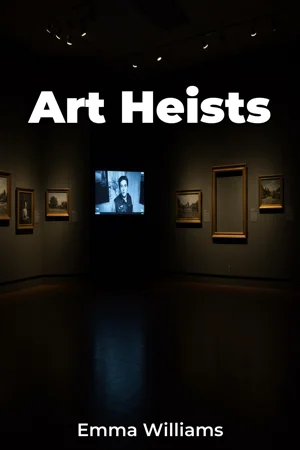
Have you ever wondered how a priceless masterpiece vanishes from a heavily guarded museum, leaving investigators baffled and the art world reeling? "Art Heists" delves into the captivating world of high-stakes art theft, examining not only the audacious crimes themselves but also the complex individuals—both the criminals and the guardians of these treasures—who shape this shadowy realm. This book exposes the intricate planning, daring execution, and often surprising motivations behind some of history's most legendary art heists. We explore two major thematic facets: the psychology of art thieves and the evolution of museum security. Understanding what drives individuals to risk imprisonment for the sake of possessing or profiting from stolen art provides a crucial lens through which to view these crimes. Equally important is an analysis of how museums have adapted their security measures over time, constantly playing catch-up with increasingly sophisticated criminal techniques. These themes are critical in understanding the ongoing struggle to safeguard cultural heritage. This book offers a chronological exploration of significant art heists, beginning with early 20th-century cases that established patterns of theft and moving through to contemporary examples involving complex cybercrime and international smuggling rings. Each case study is meticulously researched, drawing upon primary sources such as police reports, court documents, and interviews with investigators and, where possible, those involved in the heists themselves. The central argument is that art heists are not merely isolated incidents of theft but represent a continuous interplay between societal values, economic incentives, and technological advancements. As societal views on ownership, value, and security evolve, so too do the methods and motivations behind art theft. The book is structured into three major sections. The first section introduces the core concepts, defining what constitutes an art heist and exploring the historical context of art crime. The second delves into specific case studies, each chosen to illustrate different facets of art theft: the inside job, the smash-and-grab, the sophisticated con, and the politically motivated theft. Each case is analyzed in detail, examining the planning, execution, and aftermath of the heist, as well as the individuals involved. The third section analyzes trends in art theft, drawing conclusions about the evolving nature of the crime and offering insights into future challenges and potential solutions for protecting cultural heritage. The culmination of this analysis demonstrates that art heists reflect broader societal anxieties and technological advancements, shaping an ongoing dynamic battle between criminals and institutions. The supporting evidence is drawn from a variety of sources, including FBI files, Interpol reports, museum archives, academic studies of criminology and art history, and interviews with law enforcement officials, art security experts, and former art thieves (where possible and legally permissible). The unique data sources will include a compilation of statistics on art theft incidents worldwide, categorized by type of crime, value of stolen art, and recovery rates. This book connects to multiple disciplines, including criminology, art history, and security studies. Criminology helps to understand criminal motivations and behaviors. Art history contextualizes the value and significance of the stolen artworks. Security considers the vulnerabilities of museums and galleries. These interdisciplinary connections enrich the analysis by providing a more comprehensive understanding of the factors that contribute to art theft. This book offers a unique perspective by combining detailed case studies with a broader analysis of the social, economic, and technological forces that shape art crime. It aims to be both meticulously researched and engagingly written, bridging the gap between academic scholarship and popular true crime narratives. The book's tone is informative and analytical yet accessible to a general audience interested in art, history, and true crime. The target audience includes readers interested in true crime, art history, museum studies, and security management. The book will appeal to those fascinated by the intricacies of criminal investigations, the allure of priceless artworks, and the challenges of protecting cultural heritage. True crime readers will find compelling narratives of daring heists and complex characters. Art enthusiasts will gain a deeper appreciation for the value and vulnerability of artistic masterpieces. As a work of true crime, the book adheres to genre conventions by presenting factual accounts of real events, supported by thorough research and credible sources. However, it also transcends the typical true crime narrative by offering a broader analysis of the underlying causes and consequences of art theft. The scope is intentionally limited to high-profile cases involving significant artworks, focusing on heists that have had a lasting impact on the art world and public consciousness. The book does not delve into art fraud or forgery, focusing specifically on instances of physical theft. The information presented has practical applications for museum security professionals, law enforcement agencies, and art collectors. It provides valuable insights into the tactics used by art thieves, the vulnerabilities of museum security systems, and the strategies for preventing and recovering stolen art. The book also touches upon controversies such as the debate over restitution of stolen art and the ethics of collecting looted artifacts.
Have you ever wondered how a priceless masterpiece vanishes from a heavily guarded museum, leaving investigators baffled and the art world reeling? "Art Heists" delves into the captivating world of high-stakes art theft, examining not only the audacious crimes themselves but also the complex individuals—both the criminals and the guardians of these treasures—who shape this shadowy realm. This book exposes the intricate planning, daring execution, and often surprising motivations behind some of history's most legendary art heists. We explore two major thematic facets: the psychology of art thieves and the evolution of museum security. Understanding what drives individuals to risk imprisonment for the sake of possessing or profiting from stolen art provides a crucial lens through which to view these crimes. Equally important is an analysis of how museums have adapted their security measures over time, constantly playing catch-up with increasingly sophisticated criminal techniques. These themes are critical in understanding the ongoing struggle to safeguard cultural heritage. This book offers a chronological exploration of significant art heists, beginning with early 20th-century cases that established patterns of theft and moving through to contemporary examples involving complex cybercrime and international smuggling rings. Each case study is meticulously researched, drawing upon primary sources such as police reports, court documents, and interviews with investigators and, where possible, those involved in the heists themselves. The central argument is that art heists are not merely isolated incidents of theft but represent a continuous interplay between societal values, economic incentives, and technological advancements. As societal views on ownership, value, and security evolve, so too do the methods and motivations behind art theft. The book is structured into three major sections. The first section introduces the core concepts, defining what constitutes an art heist and exploring the historical context of art crime. The second delves into specific case studies, each chosen to illustrate different facets of art theft: the inside job, the smash-and-grab, the sophisticated con, and the politically motivated theft. Each case is analyzed in detail, examining the planning, execution, and aftermath of the heist, as well as the individuals involved. The third section analyzes trends in art theft, drawing conclusions about the evolving nature of the crime and offering insights into future challenges and potential solutions for protecting cultural heritage. The culmination of this analysis demonstrates that art heists reflect broader societal anxieties and technological advancements, shaping an ongoing dynamic battle between criminals and institutions. The supporting evidence is drawn from a variety of sources, including FBI files, Interpol reports, museum archives, academic studies of criminology and art history, and interviews with law enforcement officials, art security experts, and former art thieves (where possible and legally permissible). The unique data sources will include a compilation of statistics on art theft incidents worldwide, categorized by type of crime, value of stolen art, and recovery rates. This book connects to multiple disciplines, including criminology, art history, and security studies. Criminology helps to understand criminal motivations and behaviors. Art history contextualizes the value and significance of the stolen artworks. Security considers the vulnerabilities of museums and galleries. These interdisciplinary connections enrich the analysis by providing a more comprehensive understanding of the factors that contribute to art theft. This book offers a unique perspective by combining detailed case studies with a broader analysis of the social, economic, and technological forces that shape art crime. It aims to be both meticulously researched and engagingly written, bridging the gap between academic scholarship and popular true crime narratives. The book's tone is informative and analytical yet accessible to a general audience interested in art, history, and true crime. The target audience includes readers interested in true crime, art history, museum studies, and security management. The book will appeal to those fascinated by the intricacies of criminal investigations, the allure of priceless artworks, and the challenges of protecting cultural heritage. True crime readers will find compelling narratives of daring heists and complex characters. Art enthusiasts will gain a deeper appreciation for the value and vulnerability of artistic masterpieces. As a work of true crime, the book adheres to genre conventions by presenting factual accounts of real events, supported by thorough research and credible sources. However, it also transcends the typical true crime narrative by offering a broader analysis of the underlying causes and consequences of art theft. The scope is intentionally limited to high-profile cases involving significant artworks, focusing on heists that have had a lasting impact on the art world and public consciousness. The book does not delve into art fraud or forgery, focusing specifically on instances of physical theft. The information presented has practical applications for museum security professionals, law enforcement agencies, and art collectors. It provides valuable insights into the tactics used by art thieves, the vulnerabilities of museum security systems, and the strategies for preventing and recovering stolen art. The book also touches upon controversies such as the debate over restitution of stolen art and the ethics of collecting looted artifacts.
"Art Heists" explores the thrilling world of art theft, revealing the audacious crimes and the complex individuals involved, from cunning thieves to the guardians of priceless treasures. The book delves into the psychology driving individuals to risk imprisonment for art, uncovering surprising motivations behind legendary heists. It also examines how museums adapt their security measures, perpetually trying to outsmart increasingly sophisticated criminal techniques, highlighting the ongoing struggle to protect cultural heritage. The book progresses chronologically, starting with early 20th-century cases and moving to contemporary examples involving cybercrime and international smuggling rings. Each meticulously researched case study draws from police reports, court documents, and interviews. One intriguing fact highlighted is the constant interplay between societal values, economic incentives, and technological advancements in shaping art crime. Societal views on ownership, value, and security directly influence the methods and motivations behind art theft, making this book a unique and valuable read for those interested in true crime and art.
Book Details
ISBN
9788235217219
Publisher
Publifye AS
Your Licenses
You don't own any licenses for this book
Purchase a license below to unlock this book and download the EPUB.
Purchase License
Select a tier to unlock this book
Need bulk licensing?
Contact us for enterprise agreements.