
About This Book
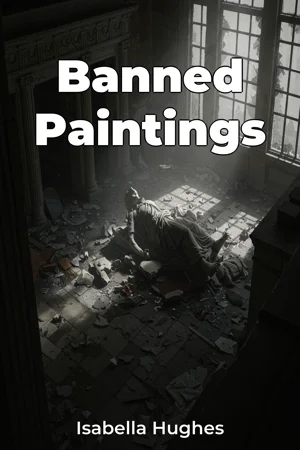
What happens when artistic expression clashes with the prevailing social norms, political ideologies, or religious doctrines of its time? "Banned Paintings" explores the tumultuous history of art censorship, destruction, and suppression across cultures and eras. This volume delves into the compelling stories behind artworks deemed too controversial for public consumption, examining the reasons for their rejection and the impact of their suppression on both artists and society. This book addresses the fundamental tension between creative freedom and societal control, a conflict that has shaped the trajectory of art history. We examine the ways in which art has been used, and feared, as a powerful tool for social commentary, political dissent, and the exploration of taboo subjects. It is important to understand these historical conflicts to appreciate the hard-won freedoms that artists enjoy today, and to remain vigilant against future attempts at censorship. The core argument of "Banned Paintings" is that the act of suppressing art is rarely, if ever, solely about aesthetics. More often, it reflects deeper anxieties within a society regarding power, morality, and the status quo. By studying the specific reasons behind the banning of particular artworks, we can gain invaluable insights into the values, fears, and prejudices of different cultures and historical periods. This argument holds significance because it challenges the conventional understanding of art history, urging us to look beyond the surface and consider the social and political forces that have shaped artistic production and reception. The book begins by establishing a framework for understanding censorship in the arts, defining key terms and exploring the various forms it can take, from outright destruction to subtle forms of discouragement. It proceeds chronologically, dedicating sections to major periods and movements in art history where censorship played a significant role. We will explore examples such as the religious iconoclasm of the Byzantine era, the suppression of art during the Reformation, the Nazi regime's persecution of "degenerate art," and the censorship battles fought during the culture wars of the late 20th century. Each case study will include detailed descriptions of the artworks in question, the specific reasons cited for their suppression, and the consequences for the artists and their audiences. The book culminates in a discussion of contemporary censorship challenges, including controversies surrounding public art, museum exhibitions, and online platforms. The evidence presented in "Banned Paintings" draws from a wide range of primary and secondary sources, including historical documents, court records, artists' letters, critical reviews, and sociological studies. Special attention is given to retrieving visual records of artworks that have been destroyed or are otherwise inaccessible to the public. This exploration of banned art connects directly to fields like political science, sociology, and religious studies, each of which provides valuable perspectives on the underlying power dynamics and social anxieties that fuel censorship. Understanding these connections enriches the analysis and broadens the book's appeal to readers interested in interdisciplinary approaches to understanding history and culture. The book distinguishes itself by adopting a global perspective, examining cases of art censorship from diverse cultures and historical periods. It challenges the often Western-centric narrative of art history, revealing the universality of the impulse to control artistic expression. Written in a clear and accessible style, "Banned Paintings" avoids academic jargon and presents complex historical events in an engaging and thought-provoking manner. The intended readership includes art enthusiasts, history buffs, students, and anyone interested in the intersection of art, politics, and culture. This book offers a valuable resource for understanding the complex relationship between art and society, and for appreciating the importance of protecting artistic freedom. While this book aims to provide a broad overview of art censorship, it is limited by the availability of evidence and the scope of manageable research. It does not attempt to be an exhaustive catalog of every instance of art suppression but rather focuses on key examples that illustrate the major themes and arguments. The lessons learned from "Banned Paintings" have practical applications for contemporary society. By understanding the historical patterns of censorship, we can better identify and resist attempts to suppress artistic expression today. The book serves as a reminder of the importance of defending free speech and artistic freedom, even when confronted with challenging or controversial artworks. "Banned Paintings" navigates the controversies inherent in discussions of censorship, acknowledging that there are often competing values and perspectives at play. It aims to provide a balanced and nuanced account of these complex issues, encouraging readers to engage critically with the material and form their own informed opinions.
What happens when artistic expression clashes with the prevailing social norms, political ideologies, or religious doctrines of its time? "Banned Paintings" explores the tumultuous history of art censorship, destruction, and suppression across cultures and eras. This volume delves into the compelling stories behind artworks deemed too controversial for public consumption, examining the reasons for their rejection and the impact of their suppression on both artists and society. This book addresses the fundamental tension between creative freedom and societal control, a conflict that has shaped the trajectory of art history. We examine the ways in which art has been used, and feared, as a powerful tool for social commentary, political dissent, and the exploration of taboo subjects. It is important to understand these historical conflicts to appreciate the hard-won freedoms that artists enjoy today, and to remain vigilant against future attempts at censorship. The core argument of "Banned Paintings" is that the act of suppressing art is rarely, if ever, solely about aesthetics. More often, it reflects deeper anxieties within a society regarding power, morality, and the status quo. By studying the specific reasons behind the banning of particular artworks, we can gain invaluable insights into the values, fears, and prejudices of different cultures and historical periods. This argument holds significance because it challenges the conventional understanding of art history, urging us to look beyond the surface and consider the social and political forces that have shaped artistic production and reception. The book begins by establishing a framework for understanding censorship in the arts, defining key terms and exploring the various forms it can take, from outright destruction to subtle forms of discouragement. It proceeds chronologically, dedicating sections to major periods and movements in art history where censorship played a significant role. We will explore examples such as the religious iconoclasm of the Byzantine era, the suppression of art during the Reformation, the Nazi regime's persecution of "degenerate art," and the censorship battles fought during the culture wars of the late 20th century. Each case study will include detailed descriptions of the artworks in question, the specific reasons cited for their suppression, and the consequences for the artists and their audiences. The book culminates in a discussion of contemporary censorship challenges, including controversies surrounding public art, museum exhibitions, and online platforms. The evidence presented in "Banned Paintings" draws from a wide range of primary and secondary sources, including historical documents, court records, artists' letters, critical reviews, and sociological studies. Special attention is given to retrieving visual records of artworks that have been destroyed or are otherwise inaccessible to the public. This exploration of banned art connects directly to fields like political science, sociology, and religious studies, each of which provides valuable perspectives on the underlying power dynamics and social anxieties that fuel censorship. Understanding these connections enriches the analysis and broadens the book's appeal to readers interested in interdisciplinary approaches to understanding history and culture. The book distinguishes itself by adopting a global perspective, examining cases of art censorship from diverse cultures and historical periods. It challenges the often Western-centric narrative of art history, revealing the universality of the impulse to control artistic expression. Written in a clear and accessible style, "Banned Paintings" avoids academic jargon and presents complex historical events in an engaging and thought-provoking manner. The intended readership includes art enthusiasts, history buffs, students, and anyone interested in the intersection of art, politics, and culture. This book offers a valuable resource for understanding the complex relationship between art and society, and for appreciating the importance of protecting artistic freedom. While this book aims to provide a broad overview of art censorship, it is limited by the availability of evidence and the scope of manageable research. It does not attempt to be an exhaustive catalog of every instance of art suppression but rather focuses on key examples that illustrate the major themes and arguments. The lessons learned from "Banned Paintings" have practical applications for contemporary society. By understanding the historical patterns of censorship, we can better identify and resist attempts to suppress artistic expression today. The book serves as a reminder of the importance of defending free speech and artistic freedom, even when confronted with challenging or controversial artworks. "Banned Paintings" navigates the controversies inherent in discussions of censorship, acknowledging that there are often competing values and perspectives at play. It aims to provide a balanced and nuanced account of these complex issues, encouraging readers to engage critically with the material and form their own informed opinions.
"Banned Paintings" explores the compelling history of art censorship, revealing the stories behind artworks deemed too controversial for public consumption. This exploration delves into the tension between creative freedom and societal control, highlighting how art can be both a powerful tool for social commentary and a target of political ideologies. The book examines instances such as the Nazi regime's suppression of "degenerate art," illustrating how the act of banning art often reflects deeper societal anxieties about power, morality, and the status quo. The book progresses chronologically, beginning with a framework for understanding censorship in the arts and then dedicating sections to major periods and movements in art history where censorship played a significant role. By studying the reasons behind the banning of particular artworks, the audience gains insights into the values, fears, and prejudices of different cultures and historical periods. This unique approach challenges the conventional understanding of art history, urging a consideration of the social and political forces that have shaped artistic production and reception.
Book Details
ISBN
9788235217189
Publisher
Publifye AS
Your Licenses
You don't own any licenses for this book
Purchase a license below to unlock this book and download the EPUB.
Purchase License
Select a tier to unlock this book
Need bulk licensing?
Contact us for enterprise agreements.