
About This Book
What compels someone to steal a priceless masterpiece, risking imprisonment for a fleeting moment of possession, or perhaps for immense financial gain? "Stolen Art" delves into the captivating world of art theft, exploring the high-stakes game between criminal masterminds and those dedicated to recovering these cultural treasures. This book examines not only the shocking heists themselves, but also the complex motivations behind them and the intricate processes involved in tracking down and retrieving stolen artwork. This book focuses on three primary areas: the psychology of art thieves, the methods they employ, and the global efforts to combat art crime. Understanding the motivations of those who steal art, ranging from opportunistic amateurs to sophisticated professionals operating within organized crime networks, is crucial to preventing future thefts. The book details the varied techniques used in art heists, from simple smash-and-grab operations to elaborate schemes involving forged documents and inside accomplices. Finally, it highlights the work of law enforcement agencies, art recovery specialists, and international organizations dedicated to preserving cultural heritage and returning stolen artworks to their rightful owners. The history of art theft is intertwined with the history of art itself, dating back centuries. Throughout history, art has been seen as a symbol of power, wealth, and cultural identity, making it a tempting target for thieves. The book examines notable historical periods, such as World War II, which witnessed widespread looting of art by the Nazi regime, and their connections to current art crime activities. "Stolen Art" argues that art theft is not merely a property crime, but a crime against culture. The loss of these objects diminishes our collective heritage and deprives future generations of the opportunity to appreciate them. The book underscores the need for increased awareness, improved security measures, and enhanced international cooperation to protect and recover stolen art. The book begins by introducing the major players in the art world, including collectors, museums, auction houses, and law enforcement agencies. It then examines specific case studies of famous art heists, analyzing the planning, execution, and aftermath of each crime. Major points will include: (1) a detailed analysis of the psychology and profiling of art thieves. (2) Exploration of the legal and ethical challenges involved in art recovery. (3) Examination of the impact of technology on art crime, including both the opportunities it presents for thieves and the tools it offers to investigators. The book culminates by offering practical recommendations for securing art collections, preventing art theft, and increasing the rate of recovery of stolen artworks. The research presented in "Stolen Art" draws from a variety of sources, including police reports, court documents, interviews with art thieves and investigators, auction records, and scholarly articles on art crime. It also includes information from databases of stolen art maintained by organizations such as Interpol and the Art Loss Register. "Stolen Art" connects to several other fields, including criminology, art history, and international law. By examining art theft through a criminological lens, the book sheds light on the motivations and methods of criminals. By placing art theft within its historical context, the book enhances our understanding of the cultural significance of art. And by exploring the legal and ethical issues surrounding art recovery, the book contributes to the ongoing debate about the protection of cultural heritage. This book takes a unique approach by examining art theft from multiple perspectives, including those of the thieves, the victims, and the investigators. This holistic approach provides a comprehensive and nuanced understanding of this complex issue. The text employs a narrative non-fiction style, presenting factual information in an engaging and accessible manner. The target audience includes art enthusiasts, true crime aficionados, law enforcement professionals, and anyone interested in the intersection of art, crime, and culture. This book will be valuable to them because it provides a comprehensive overview of art theft, offering insights into the motivations of criminals, the methods they employ, and the efforts to combat this pervasive problem, all while avoiding sensationalism. As a true crime book, "Stolen Art" adheres to the genre's conventions of factual accuracy, detailed research, and compelling storytelling. However, it avoids sensationalism and focuses on providing a balanced and informative account of art theft. The book's scope is limited to the theft of physical artworks, excluding cybercrime related to digital art or intellectual property. The information in this book can be applied practically by individuals interested in securing their art collections, by law enforcement professionals seeking to improve their investigation techniques, and by policymakers seeking to strengthen laws related to art crime. While there is general consensus that art theft is wrong, debates exist regarding the repatriation of stolen artifacts and the ethical implications of certain art recovery methods. "Stolen Art" will delve into these debates, presenting multiple perspectives and encouraging critical thinking.
What compels someone to steal a priceless masterpiece, risking imprisonment for a fleeting moment of possession, or perhaps for immense financial gain? "Stolen Art" delves into the captivating world of art theft, exploring the high-stakes game between criminal masterminds and those dedicated to recovering these cultural treasures. This book examines not only the shocking heists themselves, but also the complex motivations behind them and the intricate processes involved in tracking down and retrieving stolen artwork. This book focuses on three primary areas: the psychology of art thieves, the methods they employ, and the global efforts to combat art crime. Understanding the motivations of those who steal art, ranging from opportunistic amateurs to sophisticated professionals operating within organized crime networks, is crucial to preventing future thefts. The book details the varied techniques used in art heists, from simple smash-and-grab operations to elaborate schemes involving forged documents and inside accomplices. Finally, it highlights the work of law enforcement agencies, art recovery specialists, and international organizations dedicated to preserving cultural heritage and returning stolen artworks to their rightful owners. The history of art theft is intertwined with the history of art itself, dating back centuries. Throughout history, art has been seen as a symbol of power, wealth, and cultural identity, making it a tempting target for thieves. The book examines notable historical periods, such as World War II, which witnessed widespread looting of art by the Nazi regime, and their connections to current art crime activities. "Stolen Art" argues that art theft is not merely a property crime, but a crime against culture. The loss of these objects diminishes our collective heritage and deprives future generations of the opportunity to appreciate them. The book underscores the need for increased awareness, improved security measures, and enhanced international cooperation to protect and recover stolen art. The book begins by introducing the major players in the art world, including collectors, museums, auction houses, and law enforcement agencies. It then examines specific case studies of famous art heists, analyzing the planning, execution, and aftermath of each crime. Major points will include: (1) a detailed analysis of the psychology and profiling of art thieves. (2) Exploration of the legal and ethical challenges involved in art recovery. (3) Examination of the impact of technology on art crime, including both the opportunities it presents for thieves and the tools it offers to investigators. The book culminates by offering practical recommendations for securing art collections, preventing art theft, and increasing the rate of recovery of stolen artworks. The research presented in "Stolen Art" draws from a variety of sources, including police reports, court documents, interviews with art thieves and investigators, auction records, and scholarly articles on art crime. It also includes information from databases of stolen art maintained by organizations such as Interpol and the Art Loss Register. "Stolen Art" connects to several other fields, including criminology, art history, and international law. By examining art theft through a criminological lens, the book sheds light on the motivations and methods of criminals. By placing art theft within its historical context, the book enhances our understanding of the cultural significance of art. And by exploring the legal and ethical issues surrounding art recovery, the book contributes to the ongoing debate about the protection of cultural heritage. This book takes a unique approach by examining art theft from multiple perspectives, including those of the thieves, the victims, and the investigators. This holistic approach provides a comprehensive and nuanced understanding of this complex issue. The text employs a narrative non-fiction style, presenting factual information in an engaging and accessible manner. The target audience includes art enthusiasts, true crime aficionados, law enforcement professionals, and anyone interested in the intersection of art, crime, and culture. This book will be valuable to them because it provides a comprehensive overview of art theft, offering insights into the motivations of criminals, the methods they employ, and the efforts to combat this pervasive problem, all while avoiding sensationalism. As a true crime book, "Stolen Art" adheres to the genre's conventions of factual accuracy, detailed research, and compelling storytelling. However, it avoids sensationalism and focuses on providing a balanced and informative account of art theft. The book's scope is limited to the theft of physical artworks, excluding cybercrime related to digital art or intellectual property. The information in this book can be applied practically by individuals interested in securing their art collections, by law enforcement professionals seeking to improve their investigation techniques, and by policymakers seeking to strengthen laws related to art crime. While there is general consensus that art theft is wrong, debates exist regarding the repatriation of stolen artifacts and the ethical implications of certain art recovery methods. "Stolen Art" will delve into these debates, presenting multiple perspectives and encouraging critical thinking.
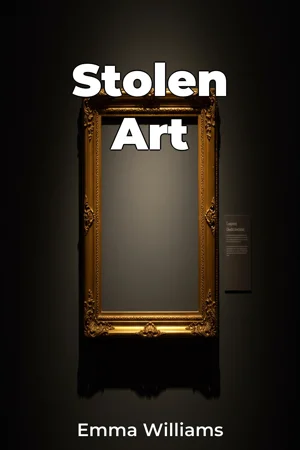
"Stolen Art" explores the shadowy world of art theft, delving into the motivations behind these crimes and the efforts to recover priceless cultural treasures. It examines the psychology of art thieves, ranging from petty criminals to sophisticated professionals, and the diverse methods they employ, from simple burglaries to elaborate schemes involving forgery. The book highlights the crucial work of law enforcement, art recovery specialists, and international organizations dedicated to preserving cultural heritage. The narrative explores famous art heists, analyzing their planning, execution, and aftermath, while avoiding sensationalism. Readers will discover the complex legal and ethical challenges involved in art recovery and learn about the impact of technology on art crime, both as a tool for thieves and for investigators. The book argues that art theft is a crime against culture, diminishing our collective heritage and depriving future generations of the opportunity to appreciate these masterpieces. Beginning with an introduction to the major players in the art world, the book progresses through case studies and thematic explorations, culminating in practical recommendations for securing art collections and preventing future thefts. This unique approach examines art theft from multiple perspectives, offering a comprehensive understanding of this complex issue.
Book Details
ISBN
9788235217141
Publisher
Publifye AS
Your Licenses
You don't own any licenses for this book
Purchase a license below to unlock this book and download the EPUB.
Purchase License
Select a tier to unlock this book
Need bulk licensing?
Contact us for enterprise agreements.