
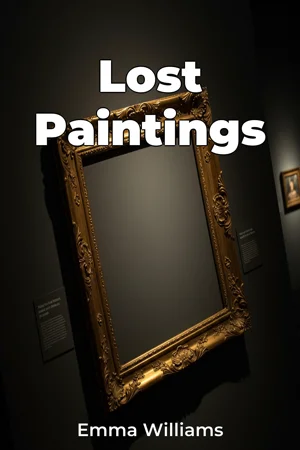
About This Book
Imagine masterpieces, icons of artistic achievement, vanishing without a trace. What happens when a celebrated painting is stolen, lost to time, or simply disappears from the public eye? *Lost Paintings* delves into the captivating world of missing artwork, exploring the true stories behind some of history's most baffling art heists and disappearances. This book examines not only the events surrounding these losses but also the enduring impact they have on art history, cultural heritage, and the ongoing efforts to recover them. This work focuses on three primary themes: the circumstances surrounding the disappearance of significant artworks, the investigations and recovery efforts that follow, and the psychological and cultural impact these losses have on the art world and beyond. These themes are important because they highlight the vulnerability of cultural treasures, the dedication of those who seek to recover them, and the profound sense of loss when art vanishes. The history of art theft is as old as art itself, evolving alongside societal changes and technological advancements. Understanding the security measures of different eras, the motivations of thieves, and the legal frameworks governing art ownership provides crucial context for understanding these cases. The reader will gain insight into the historical significance of each featured artwork and the artistic movements they represent. The central argument of *Lost Paintings* is that the disappearance of a significant work of art transcends simple property crime; it represents a loss of cultural memory and a void in our collective artistic heritage. The book will demonstrate how these disappearances spark complex investigations, fuel speculation, and ultimately affect our understanding and appreciation of art history. The book is structured to provide a comprehensive exploration of this topic. It begins with an introduction to the concept of art crime and its motivations, followed by in-depth case studies of several high-profile lost paintings. Each case study will detail the painting's history, its disappearance, the investigation, and any theories surrounding its fate. Major sections will focus on specific types of art crime, such as theft from museums, private collections, and during wartime, each section using detailed examples to illustrate the challenges and complexities involved in these investigations. The book culminates with a discussion of the impact these losses have on art history, the art market, and the ongoing efforts to protect cultural heritage. It examines the technologies and strategies used to prevent art theft, and the legal and ethical considerations surrounding repatriation and recovery. The evidence presented in *Lost Paintings* is drawn from a variety of sources, including police reports, court documents, museum archives, investigative journalism, and expert interviews with art historians, detectives, and security specialists. The book will present a balanced view, considering different perspectives and theories surrounding each disappearance. *Lost Paintings* connects to several related fields, including criminology (understanding the motivations and methods of art thieves), history (contextualizing the thefts within broader historical events), and cultural studies (examining the cultural significance of lost art). These interdisciplinary connections enrich the book's analysis and provide a more nuanced understanding of the subject matter. This book's approach stands out by combining detailed case studies with a broader analysis of the cultural and psychological impact of art loss. It goes beyond simply recounting the stories of stolen paintings, and it seeks to understand what these disappearances tell us about the value we place on art and the lengths to which people will go to possess it. The tone of *Lost Paintings* is informative and engaging, balancing the need for factual accuracy with a compelling narrative style. The writing will be accessible to a broad audience while maintaining a level of sophistication appropriate for readers interested in true crime and art history. The target audience includes art enthusiasts, true crime aficionados, history buffs, and anyone interested in the intersection of art, crime, and cultural heritage. This book would be valuable to them because it offers a unique perspective on a fascinating and often overlooked aspect of the art world. As a work of true crime, *Lost Paintings* adheres to the genre's emphasis on factual accuracy, detailed investigation, and compelling storytelling. It also incorporates elements of art history, providing context and analysis of the artworks themselves. The scope of *Lost Paintings* is limited to paintings that have been lost, stolen, or remain missing, deliberately excluding forgeries or cases of misattribution. While the book will mention some famous art heists, its primary focus is on cases where the artwork's fate remains unknown. Readers can apply the information in *Lost Paintings* to better understand art security measures, the importance of provenance research, and the ethical considerations involved in collecting and trading art. It can also inform discussions about cultural heritage preservation and the role of art in society. While many cases of art theft are clear-cut crimes, some involve complex legal and ethical debates, such as ownership disputes, claims of cultural patrimony, and the rights of museums versus the rights of individuals or nations. *Lost Paintings* addresses these controversies where relevant, presenting different perspectives and encouraging readers to form their own conclusions.
Imagine masterpieces, icons of artistic achievement, vanishing without a trace. What happens when a celebrated painting is stolen, lost to time, or simply disappears from the public eye? *Lost Paintings* delves into the captivating world of missing artwork, exploring the true stories behind some of history's most baffling art heists and disappearances. This book examines not only the events surrounding these losses but also the enduring impact they have on art history, cultural heritage, and the ongoing efforts to recover them. This work focuses on three primary themes: the circumstances surrounding the disappearance of significant artworks, the investigations and recovery efforts that follow, and the psychological and cultural impact these losses have on the art world and beyond. These themes are important because they highlight the vulnerability of cultural treasures, the dedication of those who seek to recover them, and the profound sense of loss when art vanishes. The history of art theft is as old as art itself, evolving alongside societal changes and technological advancements. Understanding the security measures of different eras, the motivations of thieves, and the legal frameworks governing art ownership provides crucial context for understanding these cases. The reader will gain insight into the historical significance of each featured artwork and the artistic movements they represent. The central argument of *Lost Paintings* is that the disappearance of a significant work of art transcends simple property crime; it represents a loss of cultural memory and a void in our collective artistic heritage. The book will demonstrate how these disappearances spark complex investigations, fuel speculation, and ultimately affect our understanding and appreciation of art history. The book is structured to provide a comprehensive exploration of this topic. It begins with an introduction to the concept of art crime and its motivations, followed by in-depth case studies of several high-profile lost paintings. Each case study will detail the painting's history, its disappearance, the investigation, and any theories surrounding its fate. Major sections will focus on specific types of art crime, such as theft from museums, private collections, and during wartime, each section using detailed examples to illustrate the challenges and complexities involved in these investigations. The book culminates with a discussion of the impact these losses have on art history, the art market, and the ongoing efforts to protect cultural heritage. It examines the technologies and strategies used to prevent art theft, and the legal and ethical considerations surrounding repatriation and recovery. The evidence presented in *Lost Paintings* is drawn from a variety of sources, including police reports, court documents, museum archives, investigative journalism, and expert interviews with art historians, detectives, and security specialists. The book will present a balanced view, considering different perspectives and theories surrounding each disappearance. *Lost Paintings* connects to several related fields, including criminology (understanding the motivations and methods of art thieves), history (contextualizing the thefts within broader historical events), and cultural studies (examining the cultural significance of lost art). These interdisciplinary connections enrich the book's analysis and provide a more nuanced understanding of the subject matter. This book's approach stands out by combining detailed case studies with a broader analysis of the cultural and psychological impact of art loss. It goes beyond simply recounting the stories of stolen paintings, and it seeks to understand what these disappearances tell us about the value we place on art and the lengths to which people will go to possess it. The tone of *Lost Paintings* is informative and engaging, balancing the need for factual accuracy with a compelling narrative style. The writing will be accessible to a broad audience while maintaining a level of sophistication appropriate for readers interested in true crime and art history. The target audience includes art enthusiasts, true crime aficionados, history buffs, and anyone interested in the intersection of art, crime, and cultural heritage. This book would be valuable to them because it offers a unique perspective on a fascinating and often overlooked aspect of the art world. As a work of true crime, *Lost Paintings* adheres to the genre's emphasis on factual accuracy, detailed investigation, and compelling storytelling. It also incorporates elements of art history, providing context and analysis of the artworks themselves. The scope of *Lost Paintings* is limited to paintings that have been lost, stolen, or remain missing, deliberately excluding forgeries or cases of misattribution. While the book will mention some famous art heists, its primary focus is on cases where the artwork's fate remains unknown. Readers can apply the information in *Lost Paintings* to better understand art security measures, the importance of provenance research, and the ethical considerations involved in collecting and trading art. It can also inform discussions about cultural heritage preservation and the role of art in society. While many cases of art theft are clear-cut crimes, some involve complex legal and ethical debates, such as ownership disputes, claims of cultural patrimony, and the rights of museums versus the rights of individuals or nations. *Lost Paintings* addresses these controversies where relevant, presenting different perspectives and encouraging readers to form their own conclusions.
*Lost Paintings* explores the shadowy world of missing masterpieces, delving into infamous art heists and disappearances that have baffled investigators and captivated the public. The book examines not only the circumstances surrounding the loss of significant works of art, but also the far-reaching impact on cultural heritage and the art world. Did you know that art theft is as old as art itself, evolving with societal changes and technological advancements? Or that the disappearance of a painting represents a loss of cultural memory? The book takes a comprehensive approach, beginning with an introduction to art crime and then moving into detailed case studies of high-profile stolen art. Each case study illuminates the painting's history, its disappearance, the subsequent investigation, and various theories about its fate. Major sections focus on different types of art crime, such as museum theft or wartime looting, using examples to illustrate the challenges involved in art recovery. This true crime investigation is structured to provide a deep dive into the topic, making it valuable to art enthusiasts, true crime aficionados, and anyone interested in the intersection of art, crime, and cultural heritage. It culminates with a discussion of the impact of these losses on art history and the art market, and it examines technologies and strategies used to prevent art theft.
Book Details
ISBN
9788235217134
Publisher
Publifye AS
Your Licenses
You don't own any licenses for this book
Purchase a license below to unlock this book and download the EPUB.
Purchase License
Select a tier to unlock this book
Need bulk licensing?
Contact us for enterprise agreements.