
About This Book
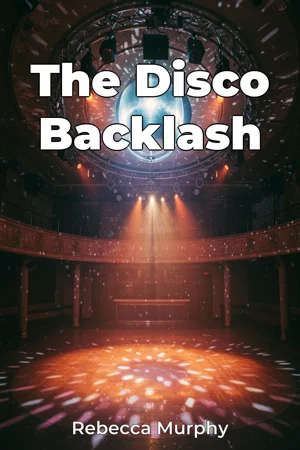
Why did a musical genre that once dominated the airwaves and dance floors become the target of such intense animosity? "The Disco Backlash" explores the meteoric rise and precipitous fall of disco music, a cultural phenomenon that ignited dance floors across the globe before encountering a wave of vehement opposition. This book delves into the complex interplay of social, economic, and cultural factors that fueled both disco's initial celebration and its subsequent rejection. Understanding this dramatic shift offers valuable insights into the dynamics of popular culture and the often-unpredictable nature of societal tastes. The book focuses on three core interconnected themes: the cultural embrace of disco, the socio-economic anxieties it triggered, and the carefully orchestrated backlash that ultimately led to its decline. These themes are crucial because they illuminate how music can become a lightning rod for broader societal tensions related to race, class, and sexuality. To fully understand the disco backlash, we need to consider the context of the 1970s. Post-Vietnam America was grappling with economic recession, social unrest, and a growing sense of cultural fragmentation. Disco emerged as a vibrant counterpoint, offering a vision of unity and liberation centered around the dance floor. However, this inclusive vision also challenged existing power structures and traditional notions of musical authenticity. "The Disco Backlash" argues that the genre's rejection stemmed from the perceived threats it posed to established norms. The book examines how disco was portrayed as excessively commercial, artificial, and morally corrupt, ultimately alienating significant segments of the population. This argument is significant because it highlights the ways in which cultural movements can be strategically undermined and misrepresented to maintain the status quo. The book is structured to provide a comprehensive understanding of this phenomenon. It begins by defining disco's origins and characteristics, exploring its roots in Black and LGBTQ+ communities. It then analyzes the genre's rapid commercial success and its adoption by mainstream audiences. A key section of the book documents the emergence of the anti-disco movement, examining the motivations and strategies of its key figures. Finally, the book assesses disco's lasting impact, highlighting its influence on subsequent musical genres and its continuing relevance in contemporary culture. The analysis relies on a range of sources, including archival materials, contemporaneous media coverage, interviews with musicians and industry professionals, and academic scholarship on popular music and cultural studies. Critical discourse analysis of anti-disco slogans and promotional materials offers a unique insight into the arguments used to delegitimize the genre. The book connects to several adjacent fields, including sociology (examining social anxieties and group dynamics), economics (analyzing the commodification of music), and gender studies (exploring representations of sexuality and identity). These interdisciplinary connections enrich the analysis and provide a more nuanced understanding of the complex forces at play. This book offers a fresh perspective by examining the disco backlash as a carefully orchestrated campaign driven by specific social and economic anxieties. It moves beyond simplistic explanations of changing tastes to uncover the underlying power dynamics that shaped disco's fate. Written in an accessible yet scholarly style, "The Disco Backlash" is aimed at a broad audience, including music enthusiasts, students of cultural history, and anyone interested in the relationship between music and society. The book is valuable because it provides a case study of how cultural phenomena can be both celebrated and suppressed, offering important lessons for understanding contemporary cultural debates. As a work of cultural history and music history, this book adheres to the genre's conventions by providing a detailed analysis of historical events and cultural trends, supported by evidence and rigorous argumentation. The scope of the book is limited to the rise and fall of disco in the United States, although it acknowledges the genre's global reach. The book's insights have practical applications for understanding contemporary debates about music, culture, and identity. By analyzing the strategies used to delegitimize disco, readers can gain a critical perspective on similar campaigns targeting other forms of cultural expression. The book inevitably addresses the ongoing debates about the role of race, class, and sexuality in shaping musical tastes and cultural hierarchies. It acknowledges the complexities of these debates and seeks to provide a balanced and nuanced perspective on the disco phenomenon.
Why did a musical genre that once dominated the airwaves and dance floors become the target of such intense animosity? "The Disco Backlash" explores the meteoric rise and precipitous fall of disco music, a cultural phenomenon that ignited dance floors across the globe before encountering a wave of vehement opposition. This book delves into the complex interplay of social, economic, and cultural factors that fueled both disco's initial celebration and its subsequent rejection. Understanding this dramatic shift offers valuable insights into the dynamics of popular culture and the often-unpredictable nature of societal tastes. The book focuses on three core interconnected themes: the cultural embrace of disco, the socio-economic anxieties it triggered, and the carefully orchestrated backlash that ultimately led to its decline. These themes are crucial because they illuminate how music can become a lightning rod for broader societal tensions related to race, class, and sexuality. To fully understand the disco backlash, we need to consider the context of the 1970s. Post-Vietnam America was grappling with economic recession, social unrest, and a growing sense of cultural fragmentation. Disco emerged as a vibrant counterpoint, offering a vision of unity and liberation centered around the dance floor. However, this inclusive vision also challenged existing power structures and traditional notions of musical authenticity. "The Disco Backlash" argues that the genre's rejection stemmed from the perceived threats it posed to established norms. The book examines how disco was portrayed as excessively commercial, artificial, and morally corrupt, ultimately alienating significant segments of the population. This argument is significant because it highlights the ways in which cultural movements can be strategically undermined and misrepresented to maintain the status quo. The book is structured to provide a comprehensive understanding of this phenomenon. It begins by defining disco's origins and characteristics, exploring its roots in Black and LGBTQ+ communities. It then analyzes the genre's rapid commercial success and its adoption by mainstream audiences. A key section of the book documents the emergence of the anti-disco movement, examining the motivations and strategies of its key figures. Finally, the book assesses disco's lasting impact, highlighting its influence on subsequent musical genres and its continuing relevance in contemporary culture. The analysis relies on a range of sources, including archival materials, contemporaneous media coverage, interviews with musicians and industry professionals, and academic scholarship on popular music and cultural studies. Critical discourse analysis of anti-disco slogans and promotional materials offers a unique insight into the arguments used to delegitimize the genre. The book connects to several adjacent fields, including sociology (examining social anxieties and group dynamics), economics (analyzing the commodification of music), and gender studies (exploring representations of sexuality and identity). These interdisciplinary connections enrich the analysis and provide a more nuanced understanding of the complex forces at play. This book offers a fresh perspective by examining the disco backlash as a carefully orchestrated campaign driven by specific social and economic anxieties. It moves beyond simplistic explanations of changing tastes to uncover the underlying power dynamics that shaped disco's fate. Written in an accessible yet scholarly style, "The Disco Backlash" is aimed at a broad audience, including music enthusiasts, students of cultural history, and anyone interested in the relationship between music and society. The book is valuable because it provides a case study of how cultural phenomena can be both celebrated and suppressed, offering important lessons for understanding contemporary cultural debates. As a work of cultural history and music history, this book adheres to the genre's conventions by providing a detailed analysis of historical events and cultural trends, supported by evidence and rigorous argumentation. The scope of the book is limited to the rise and fall of disco in the United States, although it acknowledges the genre's global reach. The book's insights have practical applications for understanding contemporary debates about music, culture, and identity. By analyzing the strategies used to delegitimize disco, readers can gain a critical perspective on similar campaigns targeting other forms of cultural expression. The book inevitably addresses the ongoing debates about the role of race, class, and sexuality in shaping musical tastes and cultural hierarchies. It acknowledges the complexities of these debates and seeks to provide a balanced and nuanced perspective on the disco phenomenon.
"The Disco Backlash" explores the dramatic story of disco music, from its soaring popularity to its abrupt decline, revealing how this genre became a focal point for broader cultural anxieties in 1970s America. The book delves into the socio-economic factors that fueled both disco's initial embrace and its subsequent rejection. It argues that disco's inclusive vision, rooted in Black and LGBTQ+ communities, challenged established norms, leading to a backlash fueled by perceptions of commercialism and moral corruption. Ironically, disco offered a vision of unity during a period of cultural fragmentation, yet this very appeal threatened existing power structures. The book approaches this cultural history by examining disco's origins, its mainstream adoption, and the emergence of the anti-disco movement. Analyzing anti-disco slogans and media coverage, the study highlights how cultural movements can be undermined to maintain the status quo. Moving chronologically, it defines disco's characteristics, analyzes its commercial success, documents the anti-disco movement, and assesses disco's lasting impact on music and culture. This music history provides a valuable case study of how popular culture can be both celebrated and suppressed, offering important lessons for understanding contemporary cultural debates.
Book Details
ISBN
9788235217080
Publisher
Publifye AS
Your Licenses
You don't own any licenses for this book
Purchase a license below to unlock this book and download the EPUB.
Purchase License
Select a tier to unlock this book
Need bulk licensing?
Contact us for enterprise agreements.