
About This Book
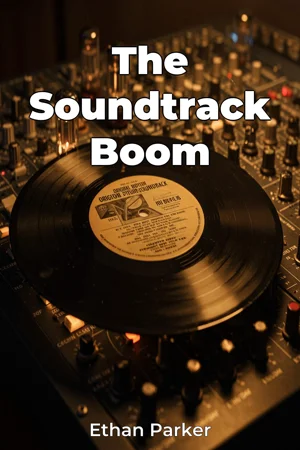
How did the melodies crafted for on-screen narratives and interactive worlds transform from background music into chart-topping hits and a multi-billion dollar industry? "The Soundtrack Boom" investigates this phenomenon, exploring the evolution of film and video game soundtracks into a dominant force within the music industry. This book is significant because it examines the converging paths of visual media and music, revealing how technological advancements, evolving consumer habits, and strategic marketing reshaped the landscape of both industries. We begin by establishing the historical context. The book traces the origins of film music from its early days as a mere accompaniment to silent films, through the symphonic scores of Hollywood's Golden Age, to the emergence of pop soundtracks in the latter half of the 20th century. The parallel development of video game music, from 8-bit bleeps and bloops to fully orchestrated scores and licensed songs, is also examined. A baseline understanding of music theory and film history will be beneficial, but all essential concepts will be clearly defined. The central argument is that the rise of the soundtrack is not merely a byproduct of the film and game industries, but a carefully cultivated and strategically monetized sector. The book demonstrates how record labels, film studios, and game developers recognized the synergistic potential of combining visual media with popular music, leading to the creation of lucrative franchises and new avenues for artistic expression. The book is structured into three major sections. First, we explore the artistic and technological innovations that facilitated the creation of high-quality soundtracks. This includes advancements in recording technology, the shift from purely orchestral scores to incorporating diverse musical genres, and the development of adaptive music systems in video games. Second, we delve into the business strategies that propelled the soundtrack boom, including licensing agreements, cross-promotional campaigns, and the role of music supervisors. Case studies of particularly successful soundtracks, such as "Saturday Night Fever," "Titanic," and "Grand Theft Auto: Vice City," will illustrate these strategies in detail. Finally, we analyze the cultural impact of soundtracks, examining their influence on popular music trends, their role in shaping audience perception of films and games, and the emergence of soundtrack-specific fan communities. The analysis is supported by a variety of evidence, including interviews with composers, music supervisors, and industry executives; sales data from record labels and streaming platforms; and critical analyses of film and video game soundtracks. Unique data sources, such as archival records from film studios and developer interviews, provides insights into the creative and business decisions that shaped the soundtrack boom. The themes explored connect to fields such as media studies, marketing, and cultural sociology. The book demonstrates how the soundtrack phenomenon reflects broader trends in media convergence, consumer culture, and the evolving relationship between art and commerce. The book distinguishes itself by taking a holistic approach, that integrates artistic, technological, and business perspectives. This interdisciplinary approach provides a more nuanced and comprehensive understanding of the soundtrack boom than existing studies. The tone of the book is informative and analytical, suitable for both academic and general audiences. The target audience includes students and scholars of film, media, and music; music industry professionals; and anyone with an interest in the cultural impact of soundtracks. This appeal stems that it offers a behind-the-scenes look at a significant phenomenon in the entertainment industry. As a work of non-fiction, the book adheres to standards of accuracy, objectivity, and thorough research. While covering a broad range of genres and historical periods, the book intentionally limits its scope to commercially released soundtracks, excluding fan-made music and unofficial remixes. The information is applicable to marketing and media strategy, offering insights into brand building, audience engagement, and the power of cross-media promotion. While there are ongoing debates about the artistic merit of commercialized film and game music, the book focuses on analyzing the economic and cultural forces that have driven the soundtrack boom, rather than making subjective judgments about musical quality.
How did the melodies crafted for on-screen narratives and interactive worlds transform from background music into chart-topping hits and a multi-billion dollar industry? "The Soundtrack Boom" investigates this phenomenon, exploring the evolution of film and video game soundtracks into a dominant force within the music industry. This book is significant because it examines the converging paths of visual media and music, revealing how technological advancements, evolving consumer habits, and strategic marketing reshaped the landscape of both industries. We begin by establishing the historical context. The book traces the origins of film music from its early days as a mere accompaniment to silent films, through the symphonic scores of Hollywood's Golden Age, to the emergence of pop soundtracks in the latter half of the 20th century. The parallel development of video game music, from 8-bit bleeps and bloops to fully orchestrated scores and licensed songs, is also examined. A baseline understanding of music theory and film history will be beneficial, but all essential concepts will be clearly defined. The central argument is that the rise of the soundtrack is not merely a byproduct of the film and game industries, but a carefully cultivated and strategically monetized sector. The book demonstrates how record labels, film studios, and game developers recognized the synergistic potential of combining visual media with popular music, leading to the creation of lucrative franchises and new avenues for artistic expression. The book is structured into three major sections. First, we explore the artistic and technological innovations that facilitated the creation of high-quality soundtracks. This includes advancements in recording technology, the shift from purely orchestral scores to incorporating diverse musical genres, and the development of adaptive music systems in video games. Second, we delve into the business strategies that propelled the soundtrack boom, including licensing agreements, cross-promotional campaigns, and the role of music supervisors. Case studies of particularly successful soundtracks, such as "Saturday Night Fever," "Titanic," and "Grand Theft Auto: Vice City," will illustrate these strategies in detail. Finally, we analyze the cultural impact of soundtracks, examining their influence on popular music trends, their role in shaping audience perception of films and games, and the emergence of soundtrack-specific fan communities. The analysis is supported by a variety of evidence, including interviews with composers, music supervisors, and industry executives; sales data from record labels and streaming platforms; and critical analyses of film and video game soundtracks. Unique data sources, such as archival records from film studios and developer interviews, provides insights into the creative and business decisions that shaped the soundtrack boom. The themes explored connect to fields such as media studies, marketing, and cultural sociology. The book demonstrates how the soundtrack phenomenon reflects broader trends in media convergence, consumer culture, and the evolving relationship between art and commerce. The book distinguishes itself by taking a holistic approach, that integrates artistic, technological, and business perspectives. This interdisciplinary approach provides a more nuanced and comprehensive understanding of the soundtrack boom than existing studies. The tone of the book is informative and analytical, suitable for both academic and general audiences. The target audience includes students and scholars of film, media, and music; music industry professionals; and anyone with an interest in the cultural impact of soundtracks. This appeal stems that it offers a behind-the-scenes look at a significant phenomenon in the entertainment industry. As a work of non-fiction, the book adheres to standards of accuracy, objectivity, and thorough research. While covering a broad range of genres and historical periods, the book intentionally limits its scope to commercially released soundtracks, excluding fan-made music and unofficial remixes. The information is applicable to marketing and media strategy, offering insights into brand building, audience engagement, and the power of cross-media promotion. While there are ongoing debates about the artistic merit of commercialized film and game music, the book focuses on analyzing the economic and cultural forces that have driven the soundtrack boom, rather than making subjective judgments about musical quality.
"The Soundtrack Boom" explores how film and video game soundtracks evolved from mere background noise into a multi-billion dollar force in the music industry. The book examines the convergence of visual media and music, highlighting how technology, consumer habits, and marketing strategies reshaped both sectors. Discover how soundtracks, once simple accompaniments, became chart-topping hits. The book delves into the artistic and technological innovations that enabled high-quality soundtracks, such as recording advancements and adaptive music systems in video games. It also investigates the business strategies fueling this boom, including licensing agreements and cross-promotional campaigns, using case studies like "Saturday Night Fever" and "Grand Theft Auto: Vice City" to illustrate these points. Furthermore, it analyzes the cultural impact of soundtracks, influencing popular music trends and shaping audience perception. Structured into three sections, "The Soundtrack Boom" provides a holistic understanding of the phenomenon. It integrates artistic, technological, and business perspectives, offering a behind-the-scenes look at a significant trend in entertainment, making it valuable for industry professionals, students, and anyone interested in the cultural influence of film and game music.
Book Details
ISBN
9788235217066
Publisher
Publifye AS
Your Licenses
You don't own any licenses for this book
Purchase a license below to unlock this book and download the EPUB.
Purchase License
Select a tier to unlock this book
Need bulk licensing?
Contact us for enterprise agreements.