
About This Book
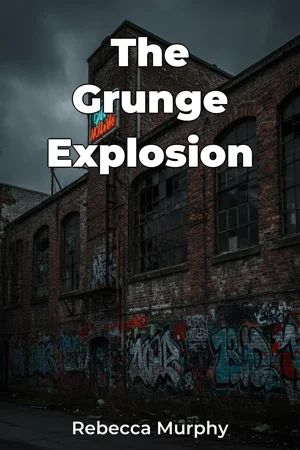
What if the death of rock and roll was greatly exaggerated, and it merely shape-shifted into something angrier, more authentic, and ultimately, more resonant? "The Grunge Explosion" examines the seismic cultural shift ignited by grunge music in the late 1980s and early 1990s, exploring how it not only redefined rock but also became the reluctant voice of a generation grappling with disillusionment and societal change. This book delves into the history, social context, and musical innovation that fueled the grunge phenomenon. The book focuses on three key topics: the socio-economic conditions that fostered the grunge movement, the musical elements that defined the genre, and the genre's complex relationship with mainstream culture. The economic recession in the Pacific Northwest, coupled with a sense of cultural stagnation, created fertile ground for a sound that rejected the excesses of 1980s glam metal and embraced raw emotion and unfiltered expression. This is crucial because it reveals grunge not as a mere musical trend but as a direct response to specific historical circumstances. The sound itself––characterized by distorted guitars, angst-ridden lyrics, and a rejection of virtuosity––represented a deliberate departure from established rock conventions. Finally, grunge's uneasy embrace by the mainstream, including its adoption by corporate entities and its eventual commodification, highlights the inherent contradictions within a counter-cultural movement striving for authenticity in a capitalist society. "The Grunge Explosion" argues that grunge was more than just a musical genre. It was a cultural reset that challenged established norms, questioned authority, and provided a voice for a generation struggling to find its place in a rapidly changing world. This argument is important because it positions grunge as a significant cultural force that continues to influence music, fashion, and attitudes today. The book begins by establishing the historical and musical landscape that preceded grunge, examining the influences of punk rock, hardcore, and alternative bands like The Stooges, Black Flag, and Sonic Youth. It then delves into the emergence of key grunge bands such as Nirvana, Pearl Jam, Soundgarden, and Alice in Chains, analyzing their individual contributions to the genre and their collective impact on the music industry. Subsequent chapters explore the subculture surrounding grunge, including its fashion, its visual aesthetic, and its DIY ethos. The book culminates with an analysis of grunge's legacy, examining its influence on subsequent generations of musicians as well as its lasting impact on popular culture. The arguments presented in "The Grunge Explosion" will be supported by a variety of evidence, including archival interviews with musicians, producers, and industry executives; concert footage and studio recordings; critical analyses of grunge music and lyrics; and sociological studies of youth culture in the 1990s. Unique data sources include interviews conducted specifically for this book and previously unreleased photographs and ephemera from the grunge era. "The Grunge Explosion" connects to other fields such as sociology, cultural studies, and economics. Its exploration of youth culture and social alienation relates to sociological theories of deviance and social change. Its analysis of the music industry connects to economic theories of supply and demand, market manipulation, and the commodification of culture. Its examination of lyrical themes and artistic expression relates to cultural studies theories of representation, identity, and power. These interdisciplinary connections enhance the book's argument by providing a broader context for understanding the grunge phenomenon. This book takes a fresh perspective by moving beyond simplistic narratives of "selling out" and "corporate co-option," instead offering a nuanced analysis of the complex relationship between grunge music and mainstream culture. Written in a lively and accessible style, "The Grunge Explosion" is aimed at a broad audience, including music fans, students of popular culture, and anyone interested in the history of the 1990s. It will appeal to readers who grew up listening to grunge as well as those who are discovering it for the first time. As a history and music book, it provides an extensive overview of the genre, its key players, and its cultural impact while adhering to standards of academic rigor and historical accuracy. The book's scope is limited to the rise and fall of the initial grunge movement, primarily focusing on bands from the Pacific Northwest. While it acknowledges the influence of grunge on subsequent genres, it does not attempt to provide a comprehensive overview of post-grunge music. Understanding the dynamics of authenticity, commercialism, and artistic integrity, as explored in the context of the grunge movement, can be applied to analyzing other cultural trends and artistic movements. The book addresses the ongoing debates surrounding grunge, such as the controversy over Nirvana's "Smells Like Teen Spirit" being appropriated as a generational anthem and the accusations of Pearl Jam "selling out" by signing with a major label.
What if the death of rock and roll was greatly exaggerated, and it merely shape-shifted into something angrier, more authentic, and ultimately, more resonant? "The Grunge Explosion" examines the seismic cultural shift ignited by grunge music in the late 1980s and early 1990s, exploring how it not only redefined rock but also became the reluctant voice of a generation grappling with disillusionment and societal change. This book delves into the history, social context, and musical innovation that fueled the grunge phenomenon. The book focuses on three key topics: the socio-economic conditions that fostered the grunge movement, the musical elements that defined the genre, and the genre's complex relationship with mainstream culture. The economic recession in the Pacific Northwest, coupled with a sense of cultural stagnation, created fertile ground for a sound that rejected the excesses of 1980s glam metal and embraced raw emotion and unfiltered expression. This is crucial because it reveals grunge not as a mere musical trend but as a direct response to specific historical circumstances. The sound itself––characterized by distorted guitars, angst-ridden lyrics, and a rejection of virtuosity––represented a deliberate departure from established rock conventions. Finally, grunge's uneasy embrace by the mainstream, including its adoption by corporate entities and its eventual commodification, highlights the inherent contradictions within a counter-cultural movement striving for authenticity in a capitalist society. "The Grunge Explosion" argues that grunge was more than just a musical genre. It was a cultural reset that challenged established norms, questioned authority, and provided a voice for a generation struggling to find its place in a rapidly changing world. This argument is important because it positions grunge as a significant cultural force that continues to influence music, fashion, and attitudes today. The book begins by establishing the historical and musical landscape that preceded grunge, examining the influences of punk rock, hardcore, and alternative bands like The Stooges, Black Flag, and Sonic Youth. It then delves into the emergence of key grunge bands such as Nirvana, Pearl Jam, Soundgarden, and Alice in Chains, analyzing their individual contributions to the genre and their collective impact on the music industry. Subsequent chapters explore the subculture surrounding grunge, including its fashion, its visual aesthetic, and its DIY ethos. The book culminates with an analysis of grunge's legacy, examining its influence on subsequent generations of musicians as well as its lasting impact on popular culture. The arguments presented in "The Grunge Explosion" will be supported by a variety of evidence, including archival interviews with musicians, producers, and industry executives; concert footage and studio recordings; critical analyses of grunge music and lyrics; and sociological studies of youth culture in the 1990s. Unique data sources include interviews conducted specifically for this book and previously unreleased photographs and ephemera from the grunge era. "The Grunge Explosion" connects to other fields such as sociology, cultural studies, and economics. Its exploration of youth culture and social alienation relates to sociological theories of deviance and social change. Its analysis of the music industry connects to economic theories of supply and demand, market manipulation, and the commodification of culture. Its examination of lyrical themes and artistic expression relates to cultural studies theories of representation, identity, and power. These interdisciplinary connections enhance the book's argument by providing a broader context for understanding the grunge phenomenon. This book takes a fresh perspective by moving beyond simplistic narratives of "selling out" and "corporate co-option," instead offering a nuanced analysis of the complex relationship between grunge music and mainstream culture. Written in a lively and accessible style, "The Grunge Explosion" is aimed at a broad audience, including music fans, students of popular culture, and anyone interested in the history of the 1990s. It will appeal to readers who grew up listening to grunge as well as those who are discovering it for the first time. As a history and music book, it provides an extensive overview of the genre, its key players, and its cultural impact while adhering to standards of academic rigor and historical accuracy. The book's scope is limited to the rise and fall of the initial grunge movement, primarily focusing on bands from the Pacific Northwest. While it acknowledges the influence of grunge on subsequent genres, it does not attempt to provide a comprehensive overview of post-grunge music. Understanding the dynamics of authenticity, commercialism, and artistic integrity, as explored in the context of the grunge movement, can be applied to analyzing other cultural trends and artistic movements. The book addresses the ongoing debates surrounding grunge, such as the controversy over Nirvana's "Smells Like Teen Spirit" being appropriated as a generational anthem and the accusations of Pearl Jam "selling out" by signing with a major label.
"The Grunge Explosion" dissects the grunge music phenomenon of the late 80s and early 90s, revealing it as more than just a genre but a cultural reset. It examines how socio-economic factors, particularly in the Pacific Northwest, fueled the raw, angst-ridden sound that rejected the excesses of 80s glam metal. Grunge, as a counter-cultural movement, grappled with mainstream adoption, highlighting the tensions between authenticity and commercialism. The book explores the musical elements that defined grunge, like distorted guitars and unfiltered lyrics, and analyzes the contributions of iconic bands such as Nirvana, Pearl Jam, Soundgarden, and Alice in Chains. It also investigates the subculture's fashion, visual aesthetic, and DIY ethos. Grunge challenged established norms and provided a voice for a disillusioned generation, influencing music, fashion, and attitudes that are still relevant today. Beginning with the pre-grunge musical landscape, "The Grunge Explosion" traces the genre's emergence, delves into its key players and subculture, and concludes with an analysis of its lasting legacy. By incorporating archival interviews, concert footage, and sociological studies, the book offers a nuanced perspective on grunge's complex relationship with mainstream culture and its enduring impact.
Book Details
ISBN
9788235216984
Publisher
Publifye AS
Your Licenses
You don't own any licenses for this book
Purchase a license below to unlock this book and download the EPUB.
Purchase License
Select a tier to unlock this book
Need bulk licensing?
Contact us for enterprise agreements.