
About This Book
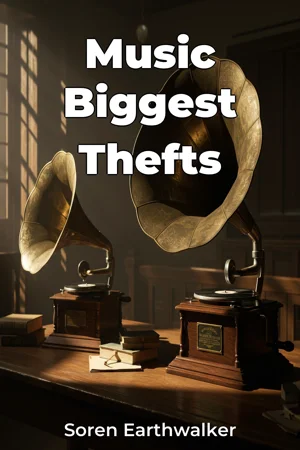
Have you ever hummed a tune and wondered if it sounded familiar? "Music's Biggest Thefts" delves into the murky waters of musical plagiarism, exploring high-stakes legal battles, blatant rip-offs, and the often-blurred lines of inspiration versus imitation. This book dissects the phenomenon of song theft, an issue that strikes at the heart of artistic creation and the music industry's economic engine. We’ll examine the legal ramifications, the ethical quandaries, and the cultural impact of these cases. This exploration is significant because it reveals the vulnerabilities within copyright law and the music industry, highlighting how easily creative works can be exploited. Understanding these cases provides insight into the complexities of intellectual property and the ongoing struggle to protect artistic expression in an era of rapid technological advancement and widespread accessibility. The book unfolds in a structured manner. It begins with an historical overview of music copyright law, tracing its evolution from early protections to the current complex legal framework. This provides essential context for understanding the legal battles discussed later. We will analyze landmark cases setting legal precedence and also how cultural shifts impact perceptions of originality. The core of the book is dedicated to exploring specific cases of alleged music plagiarism. These aren't just dry legal analyses; they are compelling narratives of artists accusing one another of theft, the ensuing courtroom dramas, and the ultimate verdicts. We'll examine cases involving iconic artists, dissecting musical compositions to identify alleged similarities and exploring expert witness testimonies. Each case study will present a detailed account of the songs in question, the arguments presented by both sides, and the final judgment, offering a balance between legal analysis and captivating storytelling. Beyond individual cases, "Music's Biggest Thefts" will address broader themes, such as the challenges of proving plagiarism, the role of musicology in legal proceedings, and the financial implications for artists and record labels. The book challenges the reader to consider how cultural influences and genre conventions shape our understanding of musical originality. The evidence presented is based on a combination of primary and secondary sources, including court documents, musical scores, expert witness reports, and interviews with legal professionals and music industry insiders. This multifaceted approach ensures a comprehensive and balanced examination of each case, providing readers with the tools to form their own informed opinions. The book has strong interdisciplinary connections. First, it intersects with law, specifically intellectual property law and copyright. Second, it connects to musicology, utilizing musical analysis to identify similarities and differences between compositions. Finally, it touches upon media studies, exploring how these cases are portrayed in the media and the impact on public perception. This book offers a unique perspective by combining legal analysis with musicological examination and human stories. By presenting these thefts in a narrative format, it makes complex legal concepts accessible to a wider audience, while maintaining academic rigor. The target audience includes music enthusiasts, aspiring musicians, legal professionals interested in intellectual property law, and anyone curious about the intersection of creativity, law, and commerce. For music students, this book provides real-world examples of copyright law in action. For lawyers, it offers in-depth analysis of significant plagiarism cases. For the general reader, it presents compelling stories of artistic conflict and legal drama. As a work of true crime focused on music, the book adheres to the genre's emphasis on factual accuracy, detailed investigation, and compelling storytelling. However, it avoids sensationalism, focusing instead on providing informed analysis. The scope of "Music's Biggest Thefts" is limited to notable cases of alleged music plagiarism, primarily focusing on Western popular music. The book does not delve into all areas of copyright infringement, such as sampling or cover songs, but focuses on the core concept of one artist allegedly stealing the melody, harmony, or structure of another's song. The lessons within this study have real-world applications. Musicians can learn about their rights and how to protect their work. Lawyers can gain insights into the complexities of music copyright litigation. Consumers can develop a more critical understanding of the music they listen to and the issues surrounding artistic originality. Music plagiarism is a topic filled with debate. Some argue that all music builds upon earlier works and the definition of theft is subjective. Others maintain that blatant copying stifles creativity and undermines the rights of artists. This book presents different viewpoints, encouraging readers to draw their own conclusions about the ethical and legal boundaries of musical creation. "Music's Biggest Thefts" aims to inform, entertain, and stimulate critical thinking about creativity, ownership, and the ever-evolving landscape of the music industry.
Have you ever hummed a tune and wondered if it sounded familiar? "Music's Biggest Thefts" delves into the murky waters of musical plagiarism, exploring high-stakes legal battles, blatant rip-offs, and the often-blurred lines of inspiration versus imitation. This book dissects the phenomenon of song theft, an issue that strikes at the heart of artistic creation and the music industry's economic engine. We’ll examine the legal ramifications, the ethical quandaries, and the cultural impact of these cases. This exploration is significant because it reveals the vulnerabilities within copyright law and the music industry, highlighting how easily creative works can be exploited. Understanding these cases provides insight into the complexities of intellectual property and the ongoing struggle to protect artistic expression in an era of rapid technological advancement and widespread accessibility. The book unfolds in a structured manner. It begins with an historical overview of music copyright law, tracing its evolution from early protections to the current complex legal framework. This provides essential context for understanding the legal battles discussed later. We will analyze landmark cases setting legal precedence and also how cultural shifts impact perceptions of originality. The core of the book is dedicated to exploring specific cases of alleged music plagiarism. These aren't just dry legal analyses; they are compelling narratives of artists accusing one another of theft, the ensuing courtroom dramas, and the ultimate verdicts. We'll examine cases involving iconic artists, dissecting musical compositions to identify alleged similarities and exploring expert witness testimonies. Each case study will present a detailed account of the songs in question, the arguments presented by both sides, and the final judgment, offering a balance between legal analysis and captivating storytelling. Beyond individual cases, "Music's Biggest Thefts" will address broader themes, such as the challenges of proving plagiarism, the role of musicology in legal proceedings, and the financial implications for artists and record labels. The book challenges the reader to consider how cultural influences and genre conventions shape our understanding of musical originality. The evidence presented is based on a combination of primary and secondary sources, including court documents, musical scores, expert witness reports, and interviews with legal professionals and music industry insiders. This multifaceted approach ensures a comprehensive and balanced examination of each case, providing readers with the tools to form their own informed opinions. The book has strong interdisciplinary connections. First, it intersects with law, specifically intellectual property law and copyright. Second, it connects to musicology, utilizing musical analysis to identify similarities and differences between compositions. Finally, it touches upon media studies, exploring how these cases are portrayed in the media and the impact on public perception. This book offers a unique perspective by combining legal analysis with musicological examination and human stories. By presenting these thefts in a narrative format, it makes complex legal concepts accessible to a wider audience, while maintaining academic rigor. The target audience includes music enthusiasts, aspiring musicians, legal professionals interested in intellectual property law, and anyone curious about the intersection of creativity, law, and commerce. For music students, this book provides real-world examples of copyright law in action. For lawyers, it offers in-depth analysis of significant plagiarism cases. For the general reader, it presents compelling stories of artistic conflict and legal drama. As a work of true crime focused on music, the book adheres to the genre's emphasis on factual accuracy, detailed investigation, and compelling storytelling. However, it avoids sensationalism, focusing instead on providing informed analysis. The scope of "Music's Biggest Thefts" is limited to notable cases of alleged music plagiarism, primarily focusing on Western popular music. The book does not delve into all areas of copyright infringement, such as sampling or cover songs, but focuses on the core concept of one artist allegedly stealing the melody, harmony, or structure of another's song. The lessons within this study have real-world applications. Musicians can learn about their rights and how to protect their work. Lawyers can gain insights into the complexities of music copyright litigation. Consumers can develop a more critical understanding of the music they listen to and the issues surrounding artistic originality. Music plagiarism is a topic filled with debate. Some argue that all music builds upon earlier works and the definition of theft is subjective. Others maintain that blatant copying stifles creativity and undermines the rights of artists. This book presents different viewpoints, encouraging readers to draw their own conclusions about the ethical and legal boundaries of musical creation. "Music's Biggest Thefts" aims to inform, entertain, and stimulate critical thinking about creativity, ownership, and the ever-evolving landscape of the music industry.
"Music's Biggest Thefts" explores the contentious world of music plagiarism, diving into landmark cases where artists have accused each other of stealing songs. It highlights the vulnerabilities within music copyright law and the music industry, showing how easily creative works can potentially be exploited. One might be surprised to learn how much legal precedent stems from the music industry's battles over intellectual property, shaping how artistic originality is perceived and protected. The book balances legal analysis with captivating storytelling, making complex concepts accessible to a broad audience interested in true crime and music. The book begins with an overview of music copyright law, tracing its evolution to the present day. The core of the book is dedicated to exploring specific cases of alleged music plagiarism featuring iconic artists, dissecting musical compositions, and examining expert witness testimonies. Through detailed case studies, "Music's Biggest Thefts" addresses broader themes like proving plagiarism and the role of musicology in legal proceedings. It also examines how cultural influences and musical genre conventions shape our understanding of musical originality. This study aims to inform, entertain, and stimulate critical thinking about creativity, ownership, and the challenges of intellectual property in the music industry. By presenting real-world examples of copyright law in action, "Music's Biggest Thefts" provides valuable insights for musicians, legal professionals, and anyone curious about the intersection of music and the legal system.
Book Details
ISBN
9788235216946
Publisher
Publifye AS
Your Licenses
You don't own any licenses for this book
Purchase a license below to unlock this book and download the EPUB.
Purchase License
Select a tier to unlock this book
Need bulk licensing?
Contact us for enterprise agreements.