
About This Book
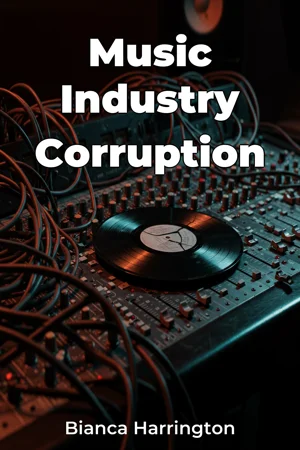
How deep does corruption run in the music industry, and what are its lasting impacts on artists and consumers alike? "Music Industry Corruption" delves into the dark underbelly of the music business, exposing the widespread payola scandals, rigged music charts, and unethical business practices that have plagued the industry for decades. These practices, though often hidden from public view, significantly distort the marketplace, manipulate public taste, and undermine the integrity of musical creation. This book argues that systemic corruption, driven by profit motives and unchecked power, has become deeply embedded in the music industry's structure, requiring urgent attention and reform. This corruption manifests in several ways, including payola, where record labels bribe radio stations to play specific songs, regardless of merit; chart manipulation, which involves artificially inflating sales figures to boost a song or album's ranking; and exploitative contracts that leave artists with little control over their work and finances. The book's central argument emphasizes the need for greater transparency, accountability, and ethical conduct within the industry to safeguard the interests of artists, protect consumers, and foster a more equitable and creative environment. The book begins by providing a historical overview of the music industry's evolution, tracing the emergence of payola in the early days of radio to the sophisticated digital manipulation tactics employed today. It then examines the legal and regulatory frameworks designed to prevent corruption, highlighting their limitations and loopholes. Major sections include: (1) "The Mechanics of Payola and Chart Manipulation," which dissects the specific methods used to influence radio play and sales figures; (2) "Artist Exploitation and Contractual Injustice," analyzing the power imbalances between artists and record labels and showcasing examples of unfair contracts and financial exploitation; and (3) "The Digital Age of Deception," exploring how streaming services and online platforms have created new avenues for corruption, such as fake streams and algorithm manipulation. The book culminates in a discussion of potential solutions, including stricter regulations, industry self-regulation, and increased consumer awareness. To support its arguments, this book draws on a range of primary and secondary sources, including investigative reports, court documents, artist interviews, financial data, and academic research. It also incorporates unique data analysis of music chart patterns and streaming statistics to identify anomalies and potential instances of manipulation. This analysis has interdisciplinary connections to fields such as media studies, business ethics, and law. The book’s examination of media influence and consumer behavior aligns with media studies, while its analysis of corporate governance and ethical decision-making connects to business ethics. The exploration of legal frameworks and contractual disputes intersects with legal studies. "Music Industry Corruption" distinguishes itself by offering a comprehensive and data-driven analysis of corruption across various sectors of the music industry. Written in a clear and accessible style, the book is aimed at music industry professionals, aspiring artists, legal experts, academics, and consumers interested in understanding the inner workings of the music business. By exposing the scope and impact of corruption, this book provides readers with the knowledge and tools to advocate for change. The book acknowledges its focus primarily on the U.S. and Western European music markets, recognizing that corruption may manifest differently in other regions. It also recognizes that unethical behavior in the music industry is a constantly evolving landscape. The information presented can be used by artists to better understand their rights and negotiate contracts, by industry professionals to promote ethical practices within their organizations, and by consumers to make informed choices about the music they support. The book contributes to ongoing debates about transparency, accountability, and fairness in the music industry, urging stakeholders to address systemic issues and promote a more ethical and sustainable ecosystem.
How deep does corruption run in the music industry, and what are its lasting impacts on artists and consumers alike? "Music Industry Corruption" delves into the dark underbelly of the music business, exposing the widespread payola scandals, rigged music charts, and unethical business practices that have plagued the industry for decades. These practices, though often hidden from public view, significantly distort the marketplace, manipulate public taste, and undermine the integrity of musical creation. This book argues that systemic corruption, driven by profit motives and unchecked power, has become deeply embedded in the music industry's structure, requiring urgent attention and reform. This corruption manifests in several ways, including payola, where record labels bribe radio stations to play specific songs, regardless of merit; chart manipulation, which involves artificially inflating sales figures to boost a song or album's ranking; and exploitative contracts that leave artists with little control over their work and finances. The book's central argument emphasizes the need for greater transparency, accountability, and ethical conduct within the industry to safeguard the interests of artists, protect consumers, and foster a more equitable and creative environment. The book begins by providing a historical overview of the music industry's evolution, tracing the emergence of payola in the early days of radio to the sophisticated digital manipulation tactics employed today. It then examines the legal and regulatory frameworks designed to prevent corruption, highlighting their limitations and loopholes. Major sections include: (1) "The Mechanics of Payola and Chart Manipulation," which dissects the specific methods used to influence radio play and sales figures; (2) "Artist Exploitation and Contractual Injustice," analyzing the power imbalances between artists and record labels and showcasing examples of unfair contracts and financial exploitation; and (3) "The Digital Age of Deception," exploring how streaming services and online platforms have created new avenues for corruption, such as fake streams and algorithm manipulation. The book culminates in a discussion of potential solutions, including stricter regulations, industry self-regulation, and increased consumer awareness. To support its arguments, this book draws on a range of primary and secondary sources, including investigative reports, court documents, artist interviews, financial data, and academic research. It also incorporates unique data analysis of music chart patterns and streaming statistics to identify anomalies and potential instances of manipulation. This analysis has interdisciplinary connections to fields such as media studies, business ethics, and law. The book’s examination of media influence and consumer behavior aligns with media studies, while its analysis of corporate governance and ethical decision-making connects to business ethics. The exploration of legal frameworks and contractual disputes intersects with legal studies. "Music Industry Corruption" distinguishes itself by offering a comprehensive and data-driven analysis of corruption across various sectors of the music industry. Written in a clear and accessible style, the book is aimed at music industry professionals, aspiring artists, legal experts, academics, and consumers interested in understanding the inner workings of the music business. By exposing the scope and impact of corruption, this book provides readers with the knowledge and tools to advocate for change. The book acknowledges its focus primarily on the U.S. and Western European music markets, recognizing that corruption may manifest differently in other regions. It also recognizes that unethical behavior in the music industry is a constantly evolving landscape. The information presented can be used by artists to better understand their rights and negotiate contracts, by industry professionals to promote ethical practices within their organizations, and by consumers to make informed choices about the music they support. The book contributes to ongoing debates about transparency, accountability, and fairness in the music industry, urging stakeholders to address systemic issues and promote a more ethical and sustainable ecosystem.
"Music Industry Corruption" exposes the unethical business practices that plague the music industry, from payola scandals to rigged music charts. The book argues that deep-seated corruption, fueled by profit, manipulates public taste and undermines creativity. A key insight is how record labels bribe radio stations to play specific songs, regardless of merit, distorting the marketplace. The book begins with a historical overview, tracing the rise of payola to today's digital manipulation tactics. It then dissects the mechanics of payola and chart manipulation, analyzes artist exploitation through unfair contracts, and explores deception in the digital age, such as streaming manipulation. The book provides a data-driven analysis of corruption, offering potential solutions like stricter regulations and increased consumer awareness. By exposing the scope and impact of corruption, this book equips readers with the knowledge to advocate for change, understand their rights, and promote ethical practices.
Book Details
ISBN
9788235216618
Publisher
Publifye AS
Your Licenses
You don't own any licenses for this book
Purchase a license below to unlock this book and download the EPUB.
Purchase License
Select a tier to unlock this book
Need bulk licensing?
Contact us for enterprise agreements.