
About This Book
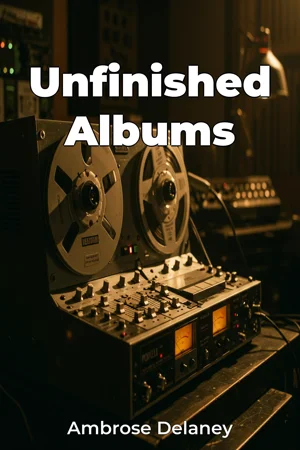
How many masterpieces remain locked away, tantalizing glimpses of what could have been, victims of circumstance, creative differences, or the artists’ own changing visions? "Unfinished Albums" delves into the intriguing world of abandoned, lost, or officially unreleased music projects from some of the most significant figures in musical history. This book explores not only the reasons behind these projects’ demise but also the profound impact such incompletions have on artists' legacies and the evolution of music itself. The core concepts investigated are the creative process under pressure, the influence of external factors on artistic output, and the mythology surrounding unreleased art. These are vital to understanding the complex relationship between artists, their work, and the industry that supports (or, in these cases, fails to support) them. Each unfinished album represents a unique confluence of personal struggles, technical limitations, and shifting cultural landscapes. Contextually, this book examines the evolution of recording technology and the shifting dynamics of the music industry. The reader will need a basic understanding of album production and music history, primarily the album era from the mid-1960s onward. Familiarity with various musical genres will also enhance the reading experience. "Unfinished Albums" argues that these incomplete works are not simply footnotes in musical history but rather integral parts of an artist’s complete narrative. They offer unique insights into their creative processes, personal lives, and the pressures they faced. By examining these projects, we gain a deeper appreciation for the artistry involved in creating music and the often-fragile nature of artistic endeavors. The book begins by introducing the concept of "unfinished albums," exploring the various reasons for their abandonment, from technical challenges to interpersonal conflicts. The narrative then develops through several key sections. First, it examines albums shelved due to artistic disagreements between band members or between an artist and their record label. Second, the book explores projects derailed by personal tragedies, such as the deaths of key contributors. Third, it focuses on albums abandoned due to changing musical tastes or technological advancements that rendered them obsolete. The book culminates by analyzing the impact of these unfinished works on artists’ legacies and on the broader cultural landscape, considering bootlegs, leaks, and the enduring fascination with "what if?" scenarios. Support for the book's arguments comes from a variety of sources, including archival research, interviews with musicians and producers, and critical analysis of available recordings and documentation. The book uses oral histories and industry reports to provide a behind-the-scenes look at the making—and unmaking—of these projects. "Unfinished Albums" connects to fields such as cultural studies, psychology, and business. The study of unfinished creative projects provides insights into the pressures and failures within the performing arts. Psychological aspects involving creativity and coping mechanisms are examined, as well as business strategies in the music industry. This book offers a fresh perspective by treating unfinished albums not as failures but as revealing glimpses into the artistic process. It avoids romanticizing the "lost masterpiece" trope and instead focuses on a balanced assessment of the artistic, technical, and personal factors that contribute to a project's demise. Written in a narrative non-fiction style, the book balances in-depth research with engaging storytelling, making it accessible to both casual music fans and serious scholars. The target audience includes music enthusiasts, music historians, students of popular culture, and anyone interested in the creative process. The book offers valuable insights into the music industry, the challenges faced by artists, and the often-unpredictable nature of artistic creation. As a work of non-fiction, "Unfinished Albums" prioritizes accuracy, objectivity, and thorough research. It acknowledges the limitations of incomplete information and strives to present a balanced and nuanced perspective. The book’s scope is broad, covering a diverse range of genres and artists from the mid-20th century to the present day, but it focuses primarily on well-known or influential artists to maximize reader engagement. It does not delve into every obscure unreleased recording but rather on albums with substantial cultural significance or intriguing backstories. The information in "Unfinished Albums" can be applied by aspiring musicians and producers to learn from the mistakes and challenges faced by their predecessors. It also helps fans gain a deeper appreciation for the complexities of creating recorded music. The book addresses ongoing debates about the ethics of releasing unfinished material and copyright issues surrounding unreleased recordings. It explores the tension between respecting an artist’s wishes and satisfying the public’s desire for access to their work.
How many masterpieces remain locked away, tantalizing glimpses of what could have been, victims of circumstance, creative differences, or the artists’ own changing visions? "Unfinished Albums" delves into the intriguing world of abandoned, lost, or officially unreleased music projects from some of the most significant figures in musical history. This book explores not only the reasons behind these projects’ demise but also the profound impact such incompletions have on artists' legacies and the evolution of music itself. The core concepts investigated are the creative process under pressure, the influence of external factors on artistic output, and the mythology surrounding unreleased art. These are vital to understanding the complex relationship between artists, their work, and the industry that supports (or, in these cases, fails to support) them. Each unfinished album represents a unique confluence of personal struggles, technical limitations, and shifting cultural landscapes. Contextually, this book examines the evolution of recording technology and the shifting dynamics of the music industry. The reader will need a basic understanding of album production and music history, primarily the album era from the mid-1960s onward. Familiarity with various musical genres will also enhance the reading experience. "Unfinished Albums" argues that these incomplete works are not simply footnotes in musical history but rather integral parts of an artist’s complete narrative. They offer unique insights into their creative processes, personal lives, and the pressures they faced. By examining these projects, we gain a deeper appreciation for the artistry involved in creating music and the often-fragile nature of artistic endeavors. The book begins by introducing the concept of "unfinished albums," exploring the various reasons for their abandonment, from technical challenges to interpersonal conflicts. The narrative then develops through several key sections. First, it examines albums shelved due to artistic disagreements between band members or between an artist and their record label. Second, the book explores projects derailed by personal tragedies, such as the deaths of key contributors. Third, it focuses on albums abandoned due to changing musical tastes or technological advancements that rendered them obsolete. The book culminates by analyzing the impact of these unfinished works on artists’ legacies and on the broader cultural landscape, considering bootlegs, leaks, and the enduring fascination with "what if?" scenarios. Support for the book's arguments comes from a variety of sources, including archival research, interviews with musicians and producers, and critical analysis of available recordings and documentation. The book uses oral histories and industry reports to provide a behind-the-scenes look at the making—and unmaking—of these projects. "Unfinished Albums" connects to fields such as cultural studies, psychology, and business. The study of unfinished creative projects provides insights into the pressures and failures within the performing arts. Psychological aspects involving creativity and coping mechanisms are examined, as well as business strategies in the music industry. This book offers a fresh perspective by treating unfinished albums not as failures but as revealing glimpses into the artistic process. It avoids romanticizing the "lost masterpiece" trope and instead focuses on a balanced assessment of the artistic, technical, and personal factors that contribute to a project's demise. Written in a narrative non-fiction style, the book balances in-depth research with engaging storytelling, making it accessible to both casual music fans and serious scholars. The target audience includes music enthusiasts, music historians, students of popular culture, and anyone interested in the creative process. The book offers valuable insights into the music industry, the challenges faced by artists, and the often-unpredictable nature of artistic creation. As a work of non-fiction, "Unfinished Albums" prioritizes accuracy, objectivity, and thorough research. It acknowledges the limitations of incomplete information and strives to present a balanced and nuanced perspective. The book’s scope is broad, covering a diverse range of genres and artists from the mid-20th century to the present day, but it focuses primarily on well-known or influential artists to maximize reader engagement. It does not delve into every obscure unreleased recording but rather on albums with substantial cultural significance or intriguing backstories. The information in "Unfinished Albums" can be applied by aspiring musicians and producers to learn from the mistakes and challenges faced by their predecessors. It also helps fans gain a deeper appreciation for the complexities of creating recorded music. The book addresses ongoing debates about the ethics of releasing unfinished material and copyright issues surrounding unreleased recordings. It explores the tension between respecting an artist’s wishes and satisfying the public’s desire for access to their work.
"Unfinished Albums" explores the captivating world of abandoned or unreleased music projects, revealing the stories behind potential masterpieces left unheard. It delves into why some of music's most anticipated albums never saw the light of day, examining the creative process under pressure. For instance, artistic disagreements or personal tragedies often derailed projects, highlighting the fragile nature of musical legacies. The book argues these incomplete works offer unique insights into an artist's creative journey and the music industry's complex dynamics. The book's approach is to examine these projects without romanticizing them, offering a balanced view of contributing factors. It progresses by exploring albums shelved due to artistic differences, those derailed by personal tragedies, and projects rendered obsolete by changing tastes or technology. By analyzing bootlegs, leaks, and the enduring fascination with "what if" scenarios, the book considers the impact these unfinished works have on artists’ legacies and the broader cultural landscape, emphasizing the importance of these lost projects in understanding music history.
Book Details
ISBN
9788235216588
Publisher
Publifye AS
Your Licenses
You don't own any licenses for this book
Purchase a license below to unlock this book and download the EPUB.
Purchase License
Select a tier to unlock this book
Need bulk licensing?
Contact us for enterprise agreements.